
12 Kid-Friendly Meals That Teach Nutrition Without Arguing
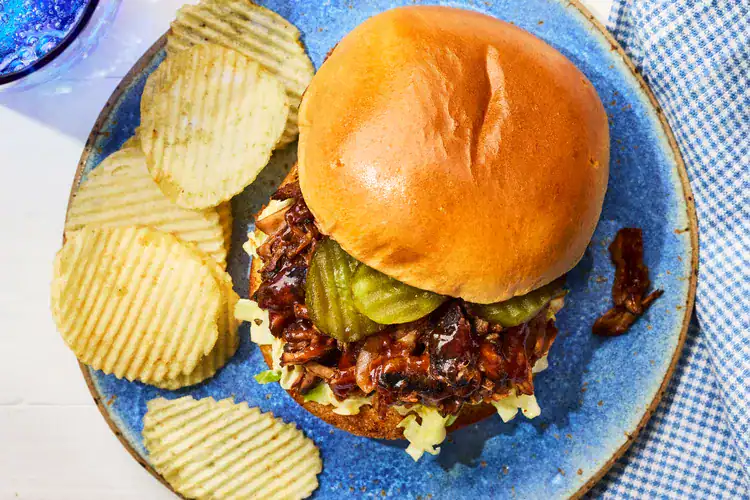
Teaching nutrition doesn’t have to sound like a lesson, and it definitely doesn’t have to turn into an argument. Many kids resist food rules but respond well to meals that look familiar, taste good, and quietly include balance. When vegetables, protein, and whole grains show up in ways that feel normal, kids absorb healthy habits without realizing it. These meals focus on comfort, choice, and routine, letting nutrition happen naturally at the table instead of through negotiation.
Chicken and Veggie Stir-Fry with Rice

Stir-fry works because everything looks similar once it’s cooked together. Bite-sized chicken and colorful vegetables mixed with rice feel like one cohesive dish rather than separate “healthy” items. Kids learn that vegetables are part of the main meal, not something to avoid. The mild sauce keeps flavors familiar, while the mix of protein, carbs, and fiber teaches balance without explanation. It’s filling, flexible, and easy to adjust to preferences.
Build-Your-Own Taco Bowls

Taco bowls give kids control, which reduces resistance instantly. Rice, beans, seasoned meat, cheese, and vegetables sit side by side, allowing kids to choose what goes in their bowl. Even small additions count. This format teaches that meals are built from components, not categories like “good” or “bad.” Over time, kids naturally expand what they include. Nutrition becomes part of choice rather than a rule enforced by adults.
Spaghetti with Meat Sauce and Hidden Veggies

Spaghetti feels safe and familiar, making it an ideal teaching meal. Adding finely chopped vegetables to the sauce doesn’t change the experience, but it improves nutrition quietly. Kids learn that vegetables belong in everyday meals, not just side dishes. The protein from meat and the energy from pasta create satisfaction, reducing snack cravings later. There’s no discussion needed just a normal dinner that does its job.
Breakfast-for-Dinner Plates

Eggs, toast, fruit, and yogurt feel like comfort food rather than a health strategy. Serving breakfast items at dinner removes pressure and makes the meal feel special. Kids naturally accept protein, whole grains, and fruit in this format because it’s familiar and low-stakes. It reinforces the idea that balanced meals aren’t tied to a specific time of day. Nutrition happens quietly through routine, not persuasion.
Baked Chicken Tenders with Sweet Potatoes

Baked chicken tenders feel like a treat, but they introduce lean protein without frying. Pairing them with roasted sweet potatoes adds fiber and nutrients in a naturally sweet form kids accept easily. The meal feels indulgent while delivering balance. Kids learn that familiar favorites can be prepared in different ways, building flexibility rather than resistance around healthier cooking methods.
Cheese Quesadillas with Side Veggies

Quesadillas are comforting and predictable, which lowers defenses immediately. Serving vegetables on the side rather than inside gives kids a choice without confrontation. Even dipping vegetables into salsa or yogurt sauce encourages interaction without pressure. Over time, kids associate meals with variety rather than rules. The balance of carbs, protein, and fats happens naturally, supported by familiarity and repetition.
Rice and Beans with Mild Seasoning

Rice and beans are simple, filling, and easy to accept when seasoned gently. This meal teaches plant-based protein without labeling it as such. Kids experience fullness and energy without heavy meat, learning that different foods can do the same job. The dish also introduces fiber-rich eating in a way that feels normal and comforting. No explanation is needed when the meal simply works.
Mini Meatballs with Pasta or Rice

Mini meatballs are easier for kids to accept than large portions and feel playful rather than intimidating. Paired with pasta or rice and a simple sauce, the meal delivers protein, carbs, and optional vegetables without spotlighting any one element. Kids focus on eating, not evaluating. Portion size teaches moderation naturally, reinforcing balance without conversation.
Homemade Pizza with Topping Choices

Pizza night becomes a nutrition lesson when kids help choose toppings. Allowing cheese and familiar meats while offering vegetables alongside encourages experimentation. Even if vegetables aren’t chosen at first, exposure builds comfort. Kids learn that meals are customizable and that vegetables are part of normal options. Nutrition comes from participation, not enforcement.
Soup with Bread or Crackers
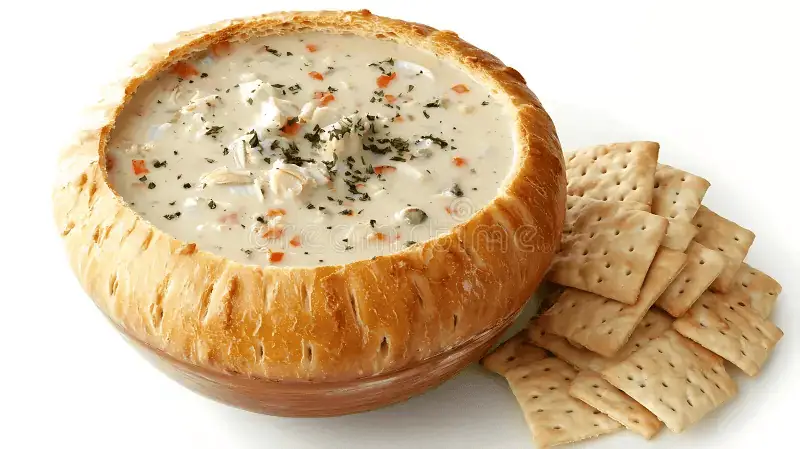
Soup feels comforting and low-pressure, especially when paired with bread. Blended or small-cut vegetables disappear into the texture, making them easier to accept. Protein from beans, chicken, or lentils adds staying power. Kids learn that meals can be warm, filling, and balanced without looking complicated. Soup teaches nutrition through comfort rather than confrontation.
Yogurt Bowls with Fruit and Crunch

Yogurt bowls feel like snacks but function as complete meals. Protein-rich yogurt paired with fruit and a crunchy topping teaches balance naturally. Kids enjoy assembling their bowl, which increases acceptance. The mix of textures and flavors makes nutrition feel fun instead of forced. It also reinforces that healthy eating doesn’t mean boring eating.
Simple Sandwiches with a Side

Sandwiches are familiar and predictable, which makes them powerful teaching tools. Whole-grain bread, protein fillings, and a simple fruit or vegetable side introduce balance without discussion. Kids already trust sandwiches, so adding variety feels safe. Over time, this reinforces that every meal includes multiple food groups, quietly shaping habits without turning nutrition into a debate.


