
10 Korean Foods That Became Everyday Staples Thanks to K-Dramas
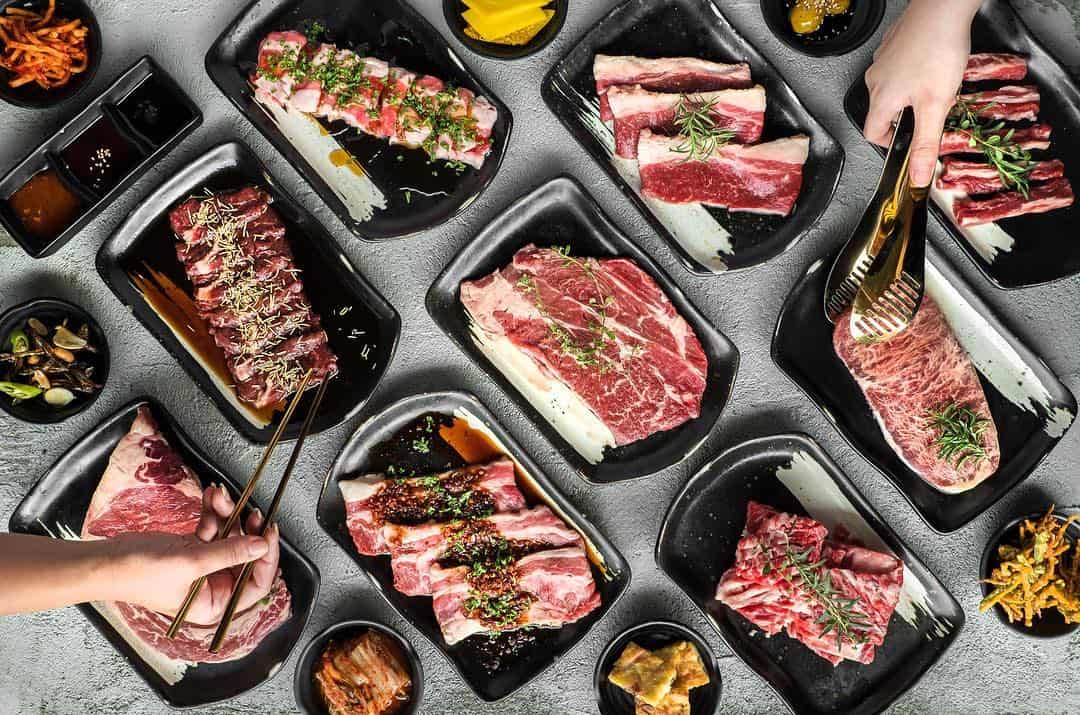
K-dramas have done more than export Korean storytelling and fashion; they have quietly reshaped global eating habits. Repeated food scenes, late-night meals, and emotionally charged dining moments made Korean dishes feel familiar rather than foreign. Viewers watched characters eat casually at home, on the street, or after long workdays, creating a sense of intimacy around the food. Over time, these repeated exposures lowered barriers, encouraging audiences to seek out the same dishes at restaurants, grocery stores, and eventually in their own kitchens.
Ramyeon

Ramyeon became one of the most recognizable Korean foods thanks to its constant presence in K-dramas. Characters are frequently shown cooking it late at night, eating it during stressful moments, or sharing it casually with friends. These scenes framed ramyeon as comforting, convenient, and emotionally meaningful rather than just instant noodles. As a result, international audiences began associating ramyeon with warmth and familiarity, leading to its widespread availability in global grocery stores and its adoption as a pantry staple.
Tteokbokki

Tteokbokki’s rise as an everyday staple was fueled by its repeated appearance in school scenes and street-food moments in K-dramas. Viewers watched characters gather around steaming plates of chewy rice cakes coated in spicy sauce, often during moments of friendship or nostalgia. These scenes highlighted tteokbokki as approachable and comforting rather than intimidating. Over time, curiosity turned into demand, pushing tteokbokki into food courts, frozen aisles, and home cooking routines worldwide.
Kimchi

Kimchi was already culturally significant in Korea, but K-dramas helped normalize it as an everyday side dish for global audiences. Scenes regularly show characters eating kimchi with nearly every meal, emphasizing its role as a daily staple rather than a specialty item. This repetition reframed kimchi as essential, not exotic. Viewers became familiar with its presence and versatility, driving interest in store-bought versions and homemade attempts, making kimchi a common refrigerator item beyond Korea.
Korean Fried Chicken

Korean fried chicken gained international traction through countless K-drama scenes centered around group meals, celebrations, or emotional decompression. The visual contrast of crispy chicken paired with beer made it especially memorable. These moments framed the dish as indulgent but routine, something eaten after work or during casual gatherings. As viewers sought to recreate the experience, Korean fried chicken chains expanded rapidly, turning what once felt niche into an everyday comfort food option.
Bibimbap

Bibimbap benefited from K-dramas by being portrayed as both visually appealing and practical. Characters are often shown mixing colorful ingredients in a single bowl, reinforcing its simplicity and balance. These scenes made bibimbap feel accessible and customizable rather than complex. Viewers began to see it as a healthy, complete meal that could fit easily into daily routines, contributing to its popularity in restaurants and meal kits around the world.
Gimbap

Gimbap frequently appears in K-dramas as a homemade food prepared for trips, school lunches, or acts of care. These emotionally charged scenes positioned gimbap as comforting and personal rather than formal. Viewers associated it with effort, warmth, and everyday life, making it appealing beyond its ingredients. As a result, gimbap gained popularity as a grab-and-go meal, showing up in cafes, convenience stores, and home kitchens globally.
Jjajangmyeon

Jjajangmyeon became familiar to global audiences through K-drama scenes tied to celebrations, breakups, or solitary meals. The repeated imagery of dark sauce-coated noodles made the dish instantly recognizable. By showing it as a common delivery or comfort food, dramas removed its mystery. Viewers began seeking it out as an everyday noodle option rather than a special-occasion dish, boosting its presence in Korean-Chinese restaurants worldwide.
Sundubu Jjigae

Sundubu jjigae gained attention through scenes where characters seek warmth or recovery, often after long days or emotional stress. The bubbling stew served in stone bowls visually reinforced comfort and nourishment. These portrayals helped viewers associate the dish with care and restoration. As interest grew, sundubu jjigae became a popular menu item and home-cooking choice, transforming it into a regular meal rather than an occasional specialty.
Korean Convenience Store Snacks

K-dramas frequently highlight convenience store scenes where characters casually grab snacks, ice cream, or packaged meals. These moments normalized Korean snack foods as part of everyday life. Viewers became curious about items repeatedly shown on screen, from flavored chips to packaged desserts. This exposure drove international demand, leading Korean snacks to appear widely in global stores and online shops as everyday indulgences.
Soju and Food Pairings

Soju’s everyday status was reinforced by countless K-drama scenes showing characters drinking it during meals, celebrations, or emotional conversations. Rather than portraying it as a party drink, dramas framed soju as a routine companion to food. This normalization encouraged viewers to try it alongside Korean dishes, embedding it into casual dining experiences. Over time, soju and its food pairings became familiar elements of everyday Korean-inspired meals worldwide.


