
10 Strange-Looking Fruits from Around the World

Exploring fruit can be a culinary adventure, revealing unexpected textures and flavors. Some fruits, aside from their taste, entertain the eyes with their unusual appearances. Discover ten strange-looking fruits from around the world, each offering unique characteristics and culinary potential. Embrace these visually intriguing fruits to broaden your palate and add distinctive elements to your dishes.
Dragon Fruit: Nature's Art

Known as pitaya, dragon fruit captivates with its vibrant pink skin and scales, enveloping sweet, speckled flesh. Selecting a dragon fruit involves choosing one with bright, even coloration and a slight give to touch. Serve it chilled, sliced in half, and scooped, or diced into salads for an exotic twist. Its subtle sweetness pairs well with lime and mint, enhancing its refreshing quality.
Rambutan: Spiky Delight
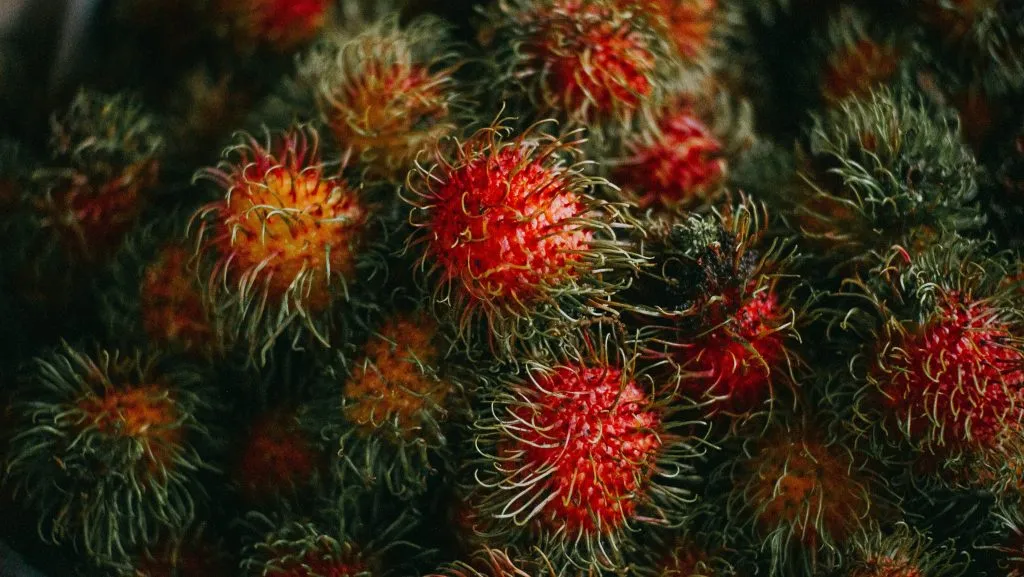
Rambutan's hairy exterior conceals a juicy, translucent interior with a sweet-tart profile. To enjoy, gently split the skin with a knife's tip and peel it away. The fruit inside is best eaten fresh or added to desserts, offering a lychee-like experience. Its flavor complements tropical flavors like coconut and mango, making it an ideal addition to fruit salads or chilled beverages.
Buddha's Hand: Citrus Fingers
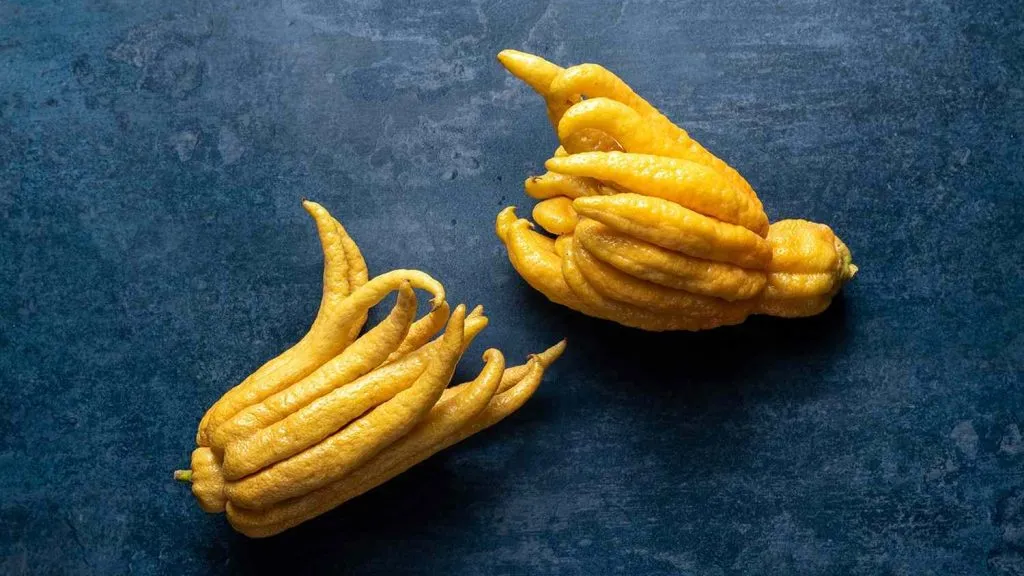
This citron variety, with its finger-like segments, offers intense fragrance but little flesh. Use Buddha's Hand primarily for zesting, infusing spirits, or flavoring sugar. Its citrus aroma enhances both savory and sweet dishes, including marinades and baked goods. Choose specimens with bright yellow color and firm texture for optimal freshness and aromatic intensity.
Horned Melon: Spiky Wonder
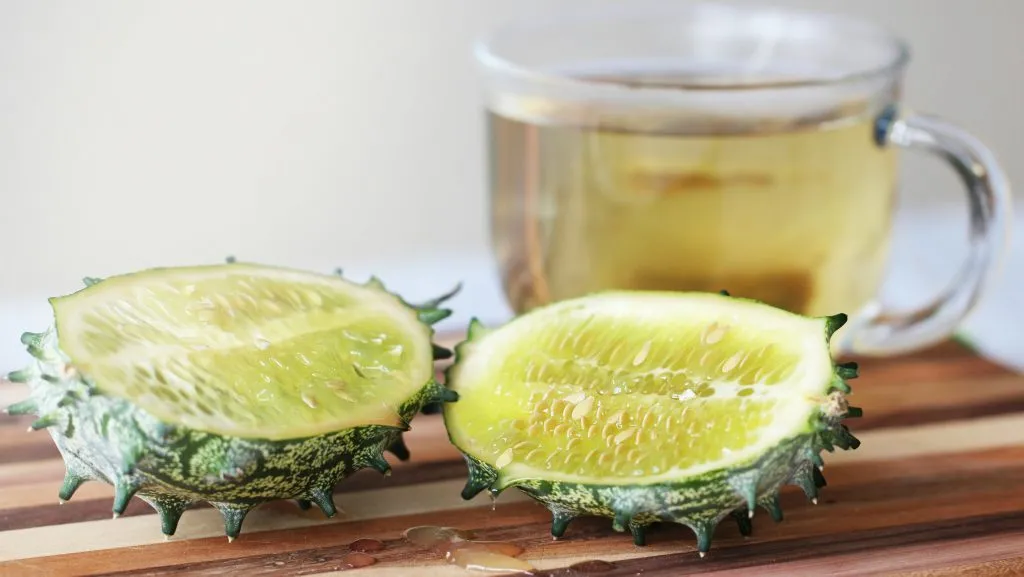
Horned melon, or kiwano, boasts an eye-catching appearance with its spiky orange rind and jelly-like green interior. To savor its unique flavor, which blends cucumber, banana, and citrus notes, simply slice it in half and scoop out the pulp. Ideal for smoothies or salads, its vibrant presentation and refreshing taste make it a standout component in creative dishes.
Durian: The Controversial King

Durian, often referred to as the “king of fruits,” is infamous for its pungent aroma yet revered for its creamy, custard-like flesh. To work with durian, first, ensure proper ventilation due to its strong odor. Use a sharp knife to carefully slice open the thick, spiky husk. Extract the pale yellow segments, discarding any seeds. Its richness pairs well with flavors like coconut and pandan. Try incorporating it into sweet desserts where its robust taste can shine, such as ice cream or sticky rice.
Salak: Snake-Like Texture

Salak, or snake fruit, is notorious for its reddish-brown scaly skin and crisp texture akin to a mix of pineapple and apple. To prepare salak, gently peel the skin by prying it open with your thumb; its sharp edges require care. The pale lobes inside offer a crunchy, tangy flavor. Incorporate salak into salads to add a refreshing contrast, or enjoy it fresh to appreciate its natural sweetness. Complement its tartness with a sprinkle of lime juice or a dash of chili for a Southeast Asian twist.
Cherimoya: Custard Apple

Cherimoya, often called a custard apple, boasts a creamy texture reminiscent of a blend between banana and pineapple. To serve, slice the fruit in half and use a spoon to scoop out the flesh, avoiding the toxic seeds. Its smooth, sweet flavor makes it ideal for blending into smoothies or serving chilled as a dessert. Enhance its natural notes by pairing with citrus fruits or incorporating into creamy puddings. Its delicate flavor requires minimal enhancement, making it a star in simple dishes.
Jabuticaba: Tree-Born Grapes
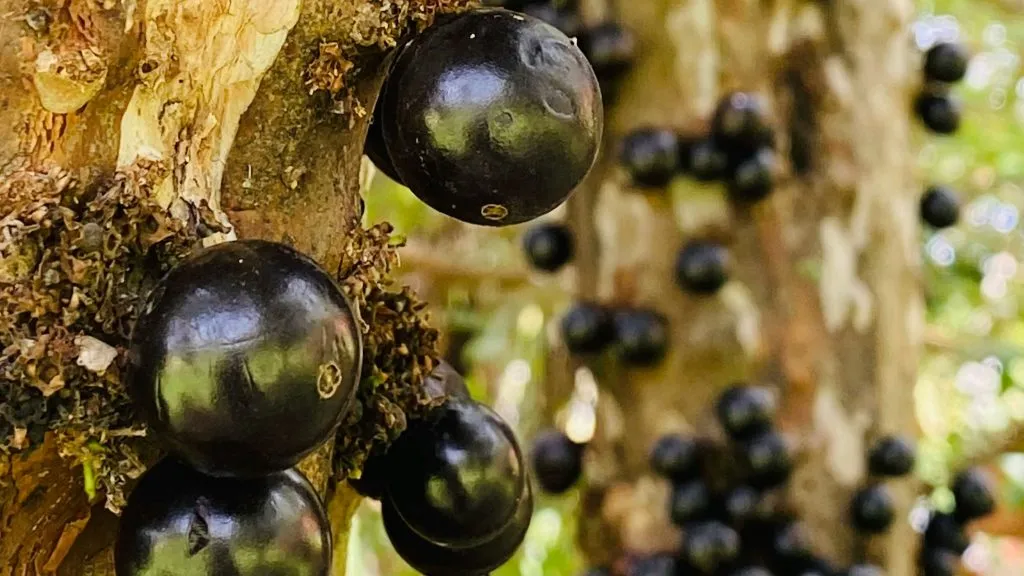
Jabuticaba resembles a grape but grows directly on the bark of trees, a unique characteristic that surprises the unacquainted. The skin is thick and requires a gentle squeeze to extract the pulpy interior, much like popping a grape. Its flavor profile is sweet with floral undertones, making it ideal for jams or fermented into wine. Use jabuticaba's tartness to add depth in fruit salads or as a sauce base for poultry. Its intensity is well-suited for pairings with robust cheeses or charcuterie.
Monstera Deliciosa: Swiss Cheese Look

Monstera deliciosa, known for its Swiss cheese-like appearance, must be fully ripe to enjoy safely. The hexagonal scales fall away when it's ready, revealing sweet flesh that tastes like a combination of banana and pineapple. To prepare, remove the scales manually and slice the flesh, discarding any firm, inedible parts. Its tropical flavor enhances fruit salads, salsas, or can be a refreshing standalone dish. Mix with citrus or sprinkle with chili for enhanced depth in sweet and savory dishes.
Ackee: Jamaican Rarity

Ackee, a vibrant fruit native to West Africa and cherished in Jamaica, requires careful preparation. Its bright red pods open when ripe, revealing glossy black seeds and creamy arils, the edible part. Always use fully opened pods; unripe ackee can be toxic. To prepare, gently boil the arils in salted water until tender, about 15 minutes. Pair with saltfish for a traditional dish high in contrasting textures—silky ackee and flaky fish. Season with Scotch bonnet peppers and thyme for an authentic Caribbean experience that balances heat and freshness. Handle with care, savor with delight.


