
12 Foods That Vanished In Wartime And Survive Only in Memory

During wartime, many foods that were once abundant became scarce, leading to significant changes in diets and the eventual disappearance of certain delicacies. This period of adaptation encouraged creativity in kitchens worldwide, as people improvised with the limited resources available. Understanding how these foods vanished reveals much about resilience and innovation in culinary history. Let’s explore some of the foods that made such an impact and are now little more than memories.
Disappeared Dairy: Butter’s War Sacrifice

The disappearance of butter during wartime was a significant culinary setback, with its absence deeply felt in both savory and sweet dishes. Margarine, often colored at home to mimic butter, took center stage. Cooks learned to incorporate oils or fats from other sources to achieve the desired texture and flavor in their creations. This adaptation taught valuable lessons in resourcefulness and flexibility, as the quest to achieve that rich buttery taste became a culinary art in itself.
The Mystery of Mock Turtle Soup
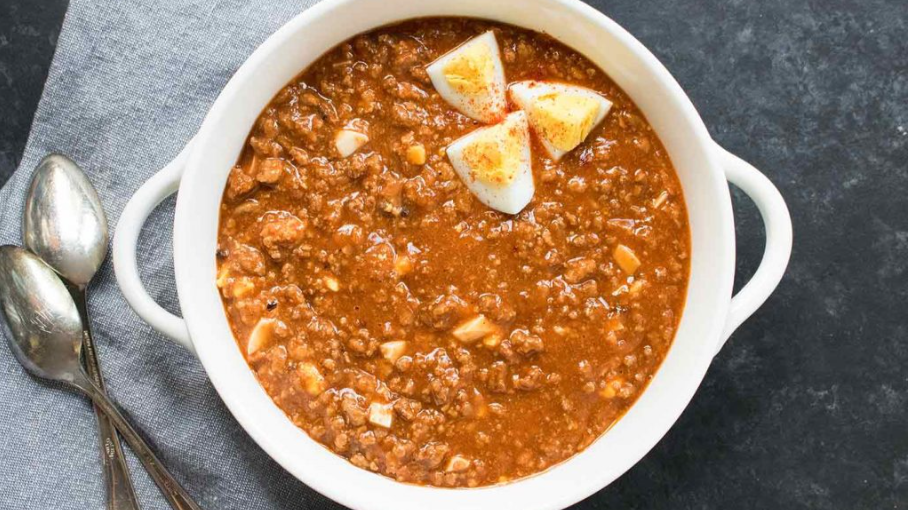
Mock turtle soup is a fascinating culinary invention from times of austerity. Created to replicate the flavors of true turtle soup without the expensive main ingredient, it often used calf's head, tongue, or organ meats. The skill lay in meticulously simmering these parts with vegetables and spices to create a rich, layered broth. It was a dish illustrating how necessity spurred ingenuity, transforming humble ingredients into something extraordinary with careful seasoning and slow cooking.
Get the Recipe: Mock Turtle Soup
Canned Meat: Corned Beef’s Vanishing Act
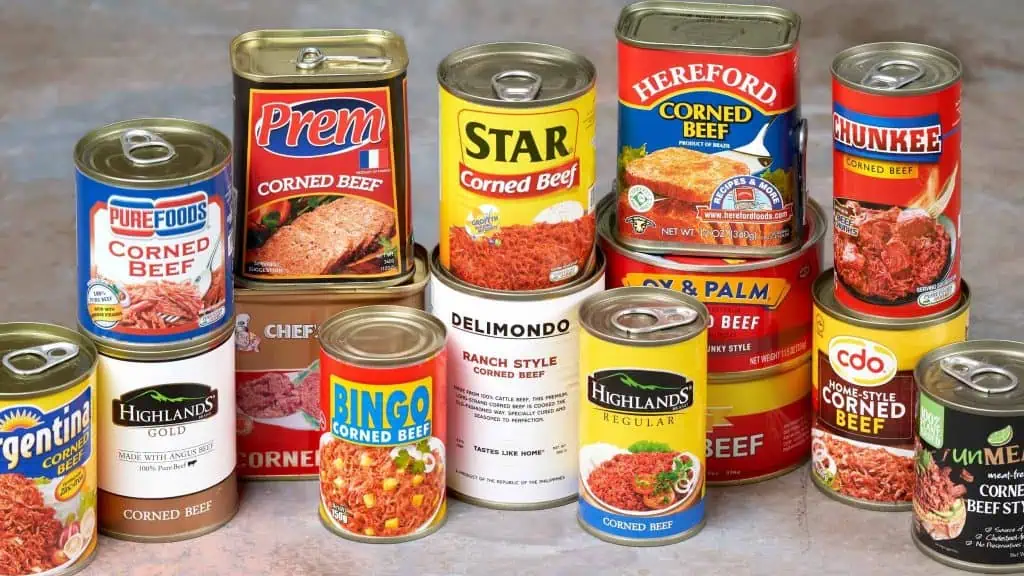
Canned meat, especially corned beef, became a staple during wartime due to its long shelf life and hearty nature. This preservation method allowed soldiers and civilians alike to enjoy protein when fresh meat was scarce. The texture of corned beef, dense yet tender, made it versatile, whether served cold in sandwiches or heated with vegetables. To improvise today, consider using available tender cuts of beef; replicate the brine by simmering with pickling spices, salt, and a splash of vinegar to capture the essence of this wartime relic.
Banana Bread Without Bananas
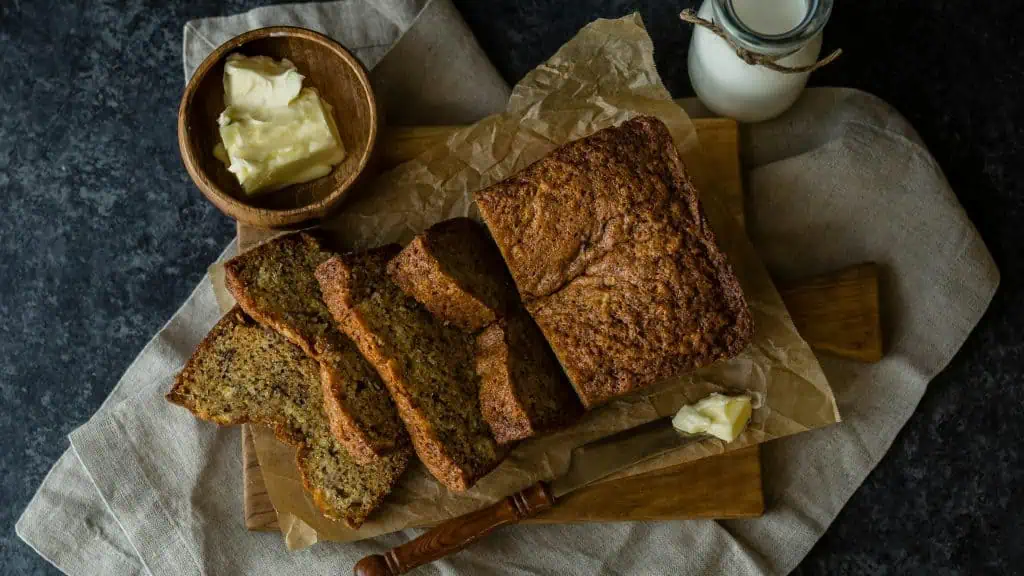
During wartime, bananas were a rare commodity, yet banana bread remained a household favorite. Ingeniously, bakers would substitute banana with other fruits or even squash. The key was in preserving the moist texture and gentle sweetness typical of classic banana bread. Try mashing ripe plantains or sweet potatoes as a substitute, ensuring the batter remains luscious and smooth. Add a hint of nutmeg or cinnamon for warmth, and you'll recreate the comforting aroma that made this treat a beloved fixture even in its adapted forms.
The Disappearing Dessert: Wartime Jello

Wartime restrictions made typical desserts a rarity, elevating jello to a favored alternative. It was economical and easy to prepare, relying on gelatin and flavored syrups instead of scarce fresh fruits. To recreate the essence of a wartime jello, experiment with homemade syrups using ingredients like berries or citrus peels steeped in sugar water. Gelatin sheets or powder dissolve into this mixture, setting into a wobbling, translucent treat. This dessert was a testament to creativity, transforming limitations into a delightful, sweet ending.
Wheatless Meals: Bread Rationing
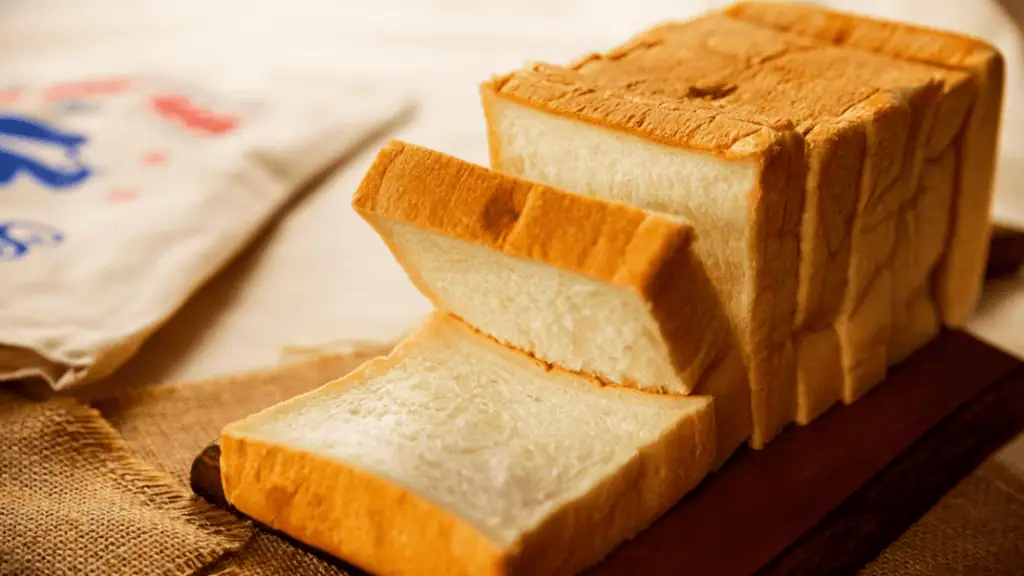
Bread rationing during wartime led to creative solutions for wheat-free meals. Cooks turned to alternatives like barley, oats, and cornmeal, crafting loaves that maintained the comforting presence of bread. To experience this, try an oat bread by blending rolled oats into a fine flour and mixing with yeast and a touch of honey for sweetness. Let it rise in a warm spot until doubled, then bake to a golden finish. This innovation allowed families to stretch their resources without sacrificing the daily ritual of breaking bread.
Eggless Cake: Innovation in Baking

During wartime, eggs became a luxury, leading to the rise of eggless cakes. These cakes rely on baking soda or vinegar to achieve the desired lift, ensuring a light, fluffy texture. Using mashed bananas or applesauce adds moisture and a subtle sweetness. It's crucial to sift dry ingredients like flour, cocoa powder, and baking soda thoroughly to avoid lumps and ensure even mixing. To enhance flavor, incorporate a touch of nutmeg or vanilla extract. This cake emerges from the oven with a tender crumb, making it a creative yet satisfying dessert.
Coffee Substitutes: Brewing Alternatives

When coffee supplies dwindled, inventive substitutes emerged, such as roasted barley or chicory roots. Barley, when roasted, offers a toasty, nutty flavor that mimics coffee's warmth, while chicory adds a rich, earthy depth. To prepare, coarsely grind the substitute and brew it similarly to traditional coffee. Adjust steeping time to control intensity—it lacks caffeine but offers comfort in flavor. For a smoother texture, consider adding a splash of milk or a spoonful of honey. These alternatives provided a familiar ritual and a moment of solace amidst scarcity.
Chocolate Shortage: A Bitter Loss
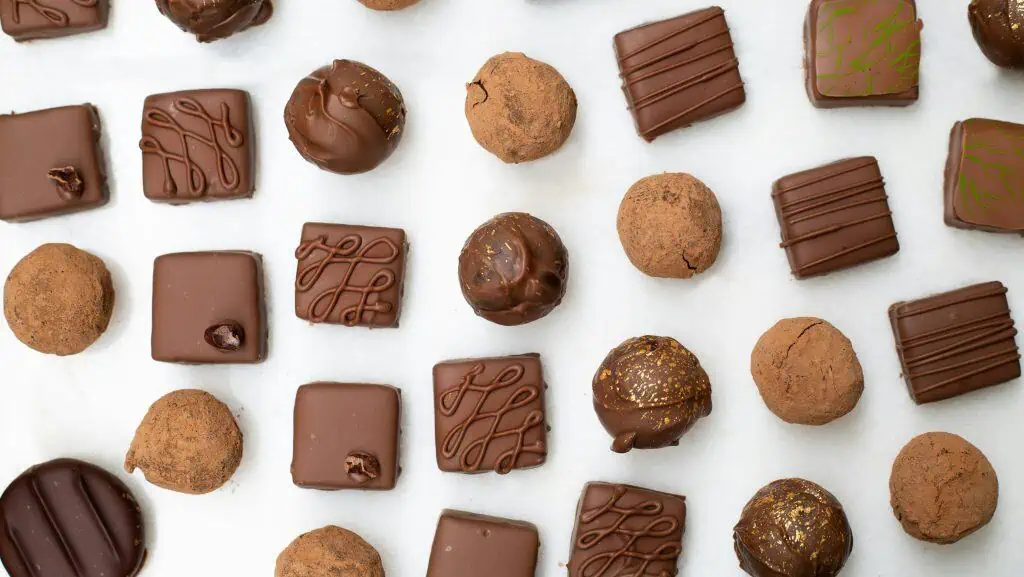
The wartime chocolate shortage led to creative confections using cocoa powder, honey, and nuts. Without sufficient cocoa butter, home cooks relied on clever ingredient combinations to retain chocolate's luxe mouthfeel. Melted suet or similar fats replaced butter, enriching the confection’s texture. Honey provided the necessary sweetness, enhancing the deep cocoa notes. Pecans or walnuts added complexity and a welcome crunch. Allow these sweets to set in a cool, dry place until they achieve a firm yet delicate consistency. Such ingenuity satisfied cravings despite limited supplies.
Potato Bread

During WWII, wheat shortages in Germany led to the widespread baking of potato bread. Grated or mashed potatoes were added to flour to stretch limited supplies, creating dense, moist loaves that could last longer. Though nutritious and practical, it lacked the texture of traditional bread. Once wheat became readily available again, the popularity of potato bread faded. Today, it survives as a memory of adaptation and scarcity.
Get the Recipe: Potato Bread
Horse Meat Stew
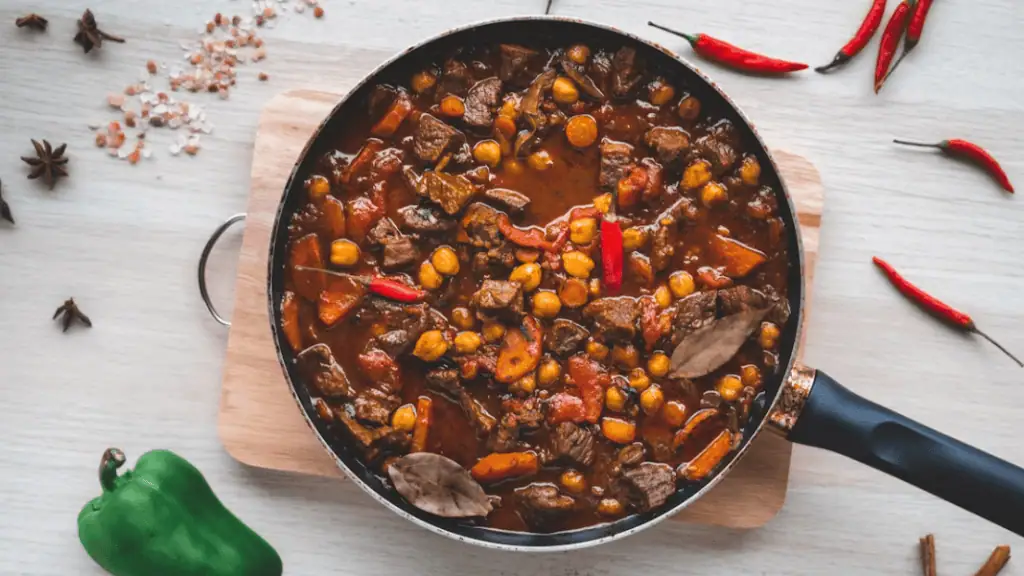
In many parts of war-torn Europe, traditional meats became scarce, and horse meat became a reluctant staple. Often stewed with potatoes and carrots, it provided necessary protein when options were limited. Though widely accepted during desperate times, the dish was abandoned after the war ended. Today, horse meat stew is rarely prepared and mostly remembered as a grim reminder of wartime hunger and sacrifice.
Woolton Pie

Named after Lord Woolton, the British Minister of Food, Woolton Pie was a meatless vegetable pie designed to meet wartime rationing. It combined diced root vegetables like potatoes, turnips, and carrots in a white sauce, topped with mashed or pastry crust. Though filling and healthy, it lacked rich flavor and became synonymous with food shortages. After the war, it fell out of favor and is now remembered more for necessity than taste.
Get the Recipe: Woolton Pie


