
12 Everyday Foods with Origins You’d Never Expect

Everyday foods often carry surprising backstories that enhance their culinary appeal. Exploring these origins offers insight into cultural exchanges and unexpected beginnings, enriching our appreciation of what we eat. From condiments to staples, each dish or ingredient comes with its unique tale, transforming ordinary meals into a tapestry of history and global influence.
Ketchup’s Surprising Beginning

Ketchup, a staple in kitchens worldwide, originally hails from Southeast Asia. The earliest versions were not tomato-based but rather fermented fish sauces known as “kecap” in Indonesia. Chinese traders then adapted it to include pickled fish and spices. It wasn't until Western adaptation that tomatoes became the centerpiece. Understanding this evolution enhances appreciation for this tangy condiment, urging cooks to experiment with its umami-rich potential beyond its typical uses.
The True Origin of Pretzels
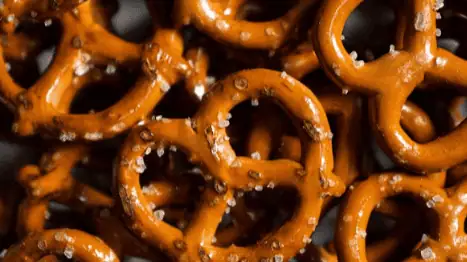
Pretzels, often associated with German culture, potentially trace back to early Christian Europe. Monks formed dough into the shape of crossed arms in prayer, creating a baked good with symbolic meaning. This simple combination of flour, water, and salt has seen iterations worldwide, from soft Bavarian variations to crunchy snacks. Homemade pretzels offer a rewarding bake, focusing on dough texture and an inviting salty crust achieved through proper lye or baking soda baths.
Baguettes: A Twist on History

While synonymous with French culinary tradition, the baguette’s origin may link to Vienna, Austria. The invention of steam ovens there in the 19th century enabled bakers to create bread with a crisp crust and airy interior. French bakers later refined the shape and style that define baguettes today. Achieving this texture requires careful kneading and steam during baking, allowing home cooks to grasp the art of crusty loaves, bringing bakery quality to their own tables.
Sushi: Not Just from Japan

Sushi, often perceived as a quintessential Japanese delicacy, has roots in ancient China. The original technique involved fermenting fish with rice to preserve it. Japan embraced and transformed this method into an art form, spotlighting fresh fish and vinegared rice. Modern sushi’s diversity offers endless opportunities for culinary creativity. Mastering sushi involves precision in rice preparation and the delicate balance of flavors, underscoring its dynamic blend of history and innovation.
Who Invented French Fries

Despite their name, French fries trace their origins to Belgium. In the late 1600s, locals along the Meuse River fried small fish. When the river froze, potatoes were cut into fish shapes and fried in the same manner. The result was a crisp exterior with a soft interior. To replicate this texture, ensure your fries are cut uniformly and double-fry them—first at a lower temperature to cook through, then higher to achieve that golden crispness. Season generously with coarse salt immediately after frying for optimum flavor adherence.
The Unexpected Birth of Lager

Lager’s birthplace is Bavaria, where brewers in the 15th century stored beer in cool Alpine caves, allowing slow fermentation. This process encouraged the development of bottom-fermenting yeasts, leading to the smooth, crisp lager distinct from ales. The key lies in aging; maintain lower temperatures during fermentation to achieve that clean, refreshing taste. When pairing, consider mild cheeses or roasted chicken, as the lager’s subtle flavors complement rather than overpower.
Curry: More Than Indian Roots
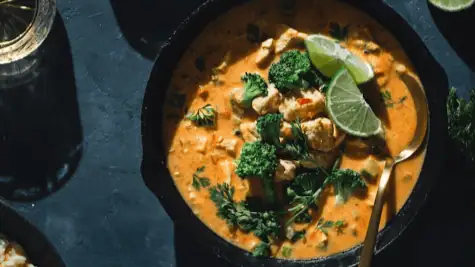
Curry’s journey extends beyond India, deeply influencing cuisines in Southeast Asia. Thai and Japanese variations have distinct profiles: Thai curries are aromatic, thanks to fresh herbs and coconut milk, while Japanese versions are milder, often incorporating fruit puree for sweetness. When creating your curry, balance spices with acidity and sweetness. Layer flavors by starting with a paste of aromatics, gradually adding your choice of protein or vegetables. Remember, patience in simmering is key to allowing the spices to marry seamlessly.
Popcorn’s Ancient Story

Popcorn dates back over 5,000 years to indigenous tribes in the Americas, who discovered its explosive potential when heated. The moisture inside the kernel transforms into steam, causing the husk to burst. For perfect popcorn, opt for a heavy-bottomed pot to distribute heat evenly. Use a neutral oil with a high smoke point, and once popped, experiment with flavors—season simply with salt and butter, or toss with spices like smoked paprika or nutritional yeast for a unique twist.
Spaghetti’s Global Journey

While spaghetti is synonymous with Italian cuisine, its roots may trace back to ancient China. Marco Polo’s travels are often cited for bringing pasta to Italy. When cooking spaghetti, use a generous amount of salted water to prevent sticking and enhance flavor. Aim for al dente, retaining a slight bite that holds sauces better. As you prepare, save some pasta water to help emulsify and bind sauces, creating a delectable, glossy finish. Whether with simple olive oil and garlic or a rich tomato sauce, the quality of the pasta itself is the foundation of the dish.
Croissants: From Austria to France
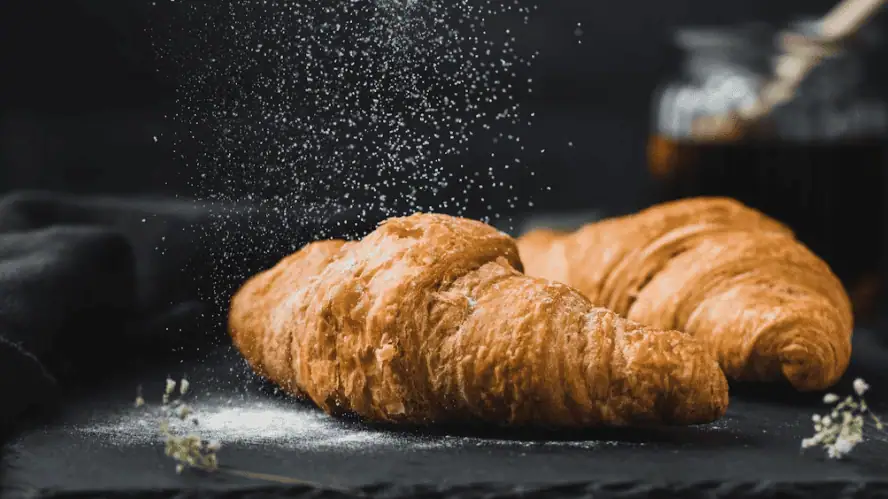
Croissants, widely celebrated as a French pastry, actually trace their roots to Austria. Originally, the kipferl, a crescent-shaped bread with a denser texture, made its way to France in the 1830s. Embrace a layered complexity by focusing on the lamination process, where butter is folded into the dough multiple times to achieve that iconic flaky texture. Use European-style butter for its higher fat content, enhancing richness and aiding the thin separation that creates airy layers. Practice precision with each roll and fold, ensuring a uniform buttery distribution throughout. This technique transforms a simple dough into a classic delight.
The Mystery of Caesar Salad

Contrary to popular belief, Caesar salad didn’t originate in Italy but in Tijuana, Mexico, created by restaurateur Caesar Cardini in the 1920s. Elevate this dish by preparing the dressing traditionally. Begin with anchovy fillets, adding depth and umami. Incorporate raw egg yolk for creaminess, whisking with freshly minced garlic, mustard, Worcestershire sauce, and lemon juice to balance the flavors. The key is emulsification—slowly drizzle olive oil while whisking to achieve a smooth, cohesive texture. Dress crunchy Romaine leaves just before serving to maintain crispness, topping with shaved Parmesan and house-made croutons for a satisfying crunch.
Chocolate Milk’s Inventive History

Chocolate milk's indulgent sweetness has surprising origins tied to medicinal purposes. In the 1700s, Hans Sloane, an Irish physician, discovered the potential of chocolate mixed with milk during travels in Jamaica. Reinvent this classic by using high-quality cocoa powder for a rich, unadulterated flavor. Warm the milk to dissolve the cocoa fully, ensuring a silky consistency devoid of lumps. Sweeten sparingly with sugar or honey, balancing beautifully against the slight bitterness of unsweetened cocoa. This thoughtful preparation not only lends nostalgia but underlines the depth of flavor often lost in overly processed versions.


