
Is Your Daily Oatmeal Habit Backfiring? Here’s the Science

MargaritOatmeal, a staple in many morning routines, often symbolizes a commitment to healthier eating. However, it may not always live up to its healthy reputation. Re-evaluate your approach by considering the type of oats and additions you choose. Simple changes can influence how oatmeal impacts your health, affecting everything from satiety to blood sugar levels. By understanding these factors, you can tailor your breakfast to better suit your nutritional needs, making sure it provides the sustained energy and satisfaction that are often expected.a zueva/unsplash
Instant Oats: Blood Sugar Rollercoaster
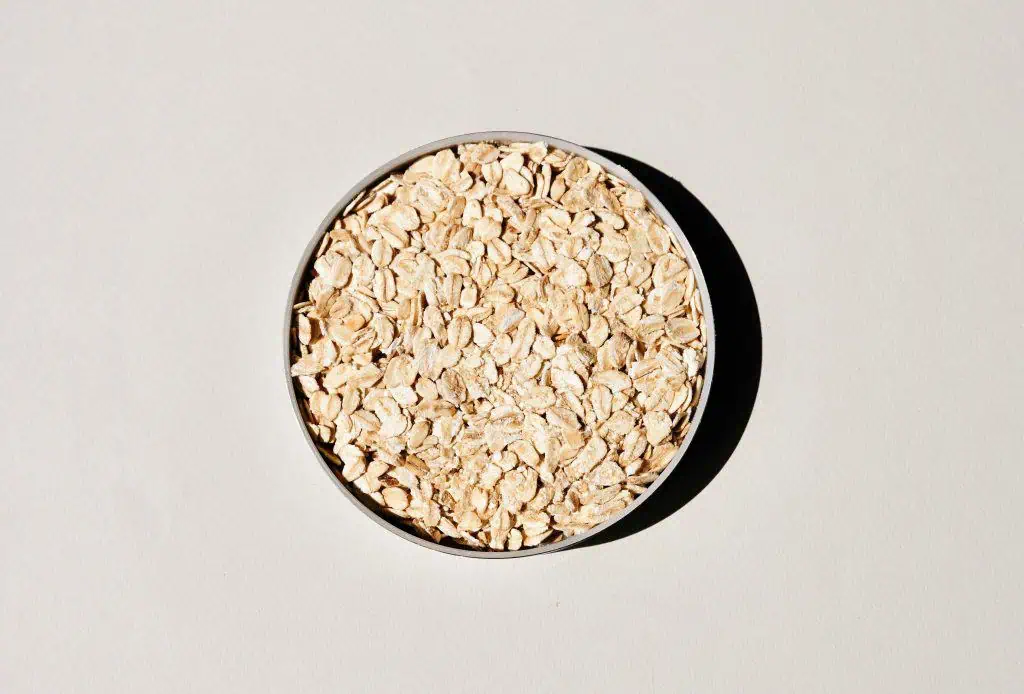
Instant oats offer convenience but come at a nutritional cost. They are highly processed, stripping away much of the fiber that helps regulate sugar release. This rapid digestion can result in sharp blood sugar spikes followed by crashes. Choosing steel-cut or rolled oats instead allows for a slower, steadier energy release. These options require a bit more preparation time but are a worthwhile investment for maintaining stable blood sugar levels throughout the morning, contributing to steady energy and improved focus.
Flavored Oats: Hidden Sugars Exposed
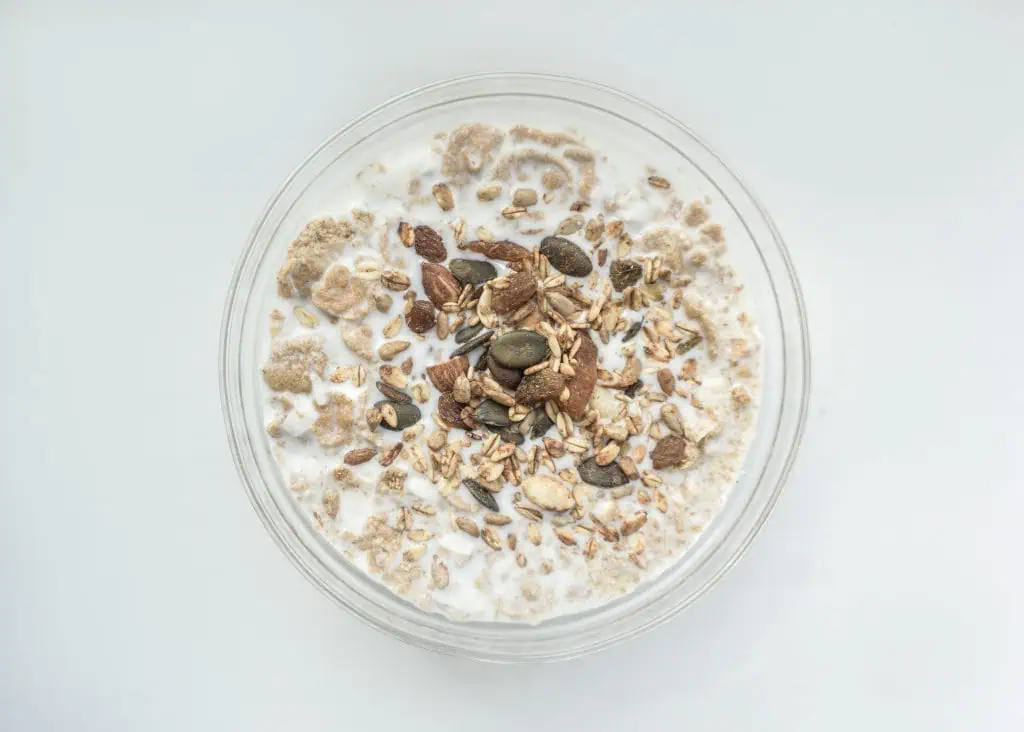
Flavored oats are tempting but often contain hidden sugars that can derail your nutritional goals. Many pre-packaged varieties add significant amounts of sugar to enhance flavor, overshadowing the inherent sweetness of the oats themselves. Opt for plain oats and incorporate natural sweetness with fresh fruits, a hint of honey, or spices like cinnamon. Not only does this offer better control over sugar intake, but it also enriches the dish with additional nutrients and flavors, transforming it into a healthier breakfast option.
Protein Deficit: The Mid-Morning Crash

Traditional oatmeal can lack sufficient protein, leading to a mid-morning energy dip. Combat this by incorporating high-protein ingredients into your bowl. Greek yogurt, nuts, seeds, or a spoonful of protein powder can significantly boost the protein content, creating a more balanced meal. This adjustment helps prolong fullness and maintain energy levels, reducing the likelihood of succumbing to snacks before lunch. A protein-rich oatmeal bowl offers a satisfying start, supporting sustained mental and physical performance.
Low Satiety: The Overeating Trap

Though oatmeal is filling, it may not be satisfying enough to prevent overeating later. This issue arises from insufficient fiber or protein in each serving. By increasing these components, you boost satiety, reducing the temptation to indulge in unnecessary snacks. Adding fruits, nuts, or seeds increases the meal's complexity and nutritional value, making it more satisfying and enjoyable. These enhancements help you perceive oatmeal not as a bland necessity but as a gratifying, wholesome meal that supports your dietary objectives.
Nutrient Imbalance: Whole Food Pairing Tips

To create a more balanced bowl of oatmeal, it's crucial to pair it with complementary ingredients. Oats are high in carbohydrates but relatively low in protein and some essential fats. Adding a spoonful of nut butter or a handful of nuts not only enriches the texture but also supplies healthy fats and additional protein. Incorporate fruits like berries or bananas to boost fiber and natural sweetness, minimizing refined sugars. Consider seeds, such as chia or flax, which introduce omega-3 fatty acids and fiber, enhancing satiety and nutritional depth. Diversifying these additionals ensures a more complete dietary profile, meeting macronutrient needs effectively.


