
12 everyday foods that are banned in other countries but still sold across the U.S.

Food safety rules aren’t universal. What’s considered acceptable in one country may be restricted or banned in another based on how regulators evaluate long-term health risks, additives, and production methods. In the United States, many foods remain legal even after other nations decide the risks outweigh the benefits. These products aren’t obscure or rare they’re familiar items found in grocery carts across the country. While bans don’t always mean immediate danger, they highlight clear differences in regulatory caution. These twelve everyday foods are easy to recognize, widely photographed, and still sold across the U.S. despite being restricted elsewhere.
Skittles and Other Brightly Colored Candies

Colorful candies like Skittles are restricted or banned in parts of Europe because they contain additives such as titanium dioxide and certain artificial dyes. European regulators have raised concerns about long-term exposure, especially for children. In the U.S., these candies remain widely available and heavily marketed. Their bright appearance adds visual appeal but no nutritional value. The contrast shows how U.S. regulations often prioritize consumer choice and manufacturer compliance over precautionary limits adopted abroad.
Mountain Dew and Citrus Sodas

Some citrus-flavored sodas historically used brominated vegetable oil to keep flavoring evenly mixed. This additive is banned in the European Union and Japan due to concerns about accumulation in the body. While many U.S. brands have reformulated, versions containing or formerly containing the ingredient are still sold legally. The soda’s popularity highlights how additives can remain acceptable in the U.S. long after other countries remove them from food supplies.
White Sandwich Bread

Many American white breads are made with potassium bromate, a dough conditioner banned in the UK, Canada, and the European Union. It’s classified as a possible carcinogen, though U.S. regulators allow it if it breaks down during baking. Consumers often don’t realize it’s present unless they check labels. Bread is a daily staple, which makes the regulatory gap more striking. Other countries chose elimination, while the U.S. relies on controlled use.
Neon-Colored Sports Drinks

Brightly colored sports drinks sold in the U.S. often contain artificial dyes restricted or labeled with warnings in Europe. These dyes don’t affect hydration or performance but increase visual appeal. European regulators require warnings linking them to possible behavioral effects in children. In the U.S., they’re marketed aggressively to kids and athletes alike. The drinks’ mainstream acceptance shows how differently countries weigh marketing benefits against potential long-term concerns.
Pop-Tarts

Pop-Tarts contain artificial colors and preservatives that are restricted or banned in some countries. While marketed as a convenient breakfast, the ingredients list often raises red flags under stricter food laws. In the U.S., they remain a pantry staple. Other nations require reformulation or warning labels for similar products. Their continued popularity reflects how convenience foods face fewer regulatory hurdles domestically than they do abroad.
Sugary Breakfast Cereals

Colorful cereals marketed to children often include artificial dyes banned or restricted in parts of Europe. Some countries require warning labels or force manufacturers to switch to natural coloring. In the U.S., the same cereals are sold without additional disclosures. These products are often positioned as breakfast foods despite high sugar content. The difference highlights how child-focused marketing is regulated far more strictly outside the U.S.
Farmed Salmon
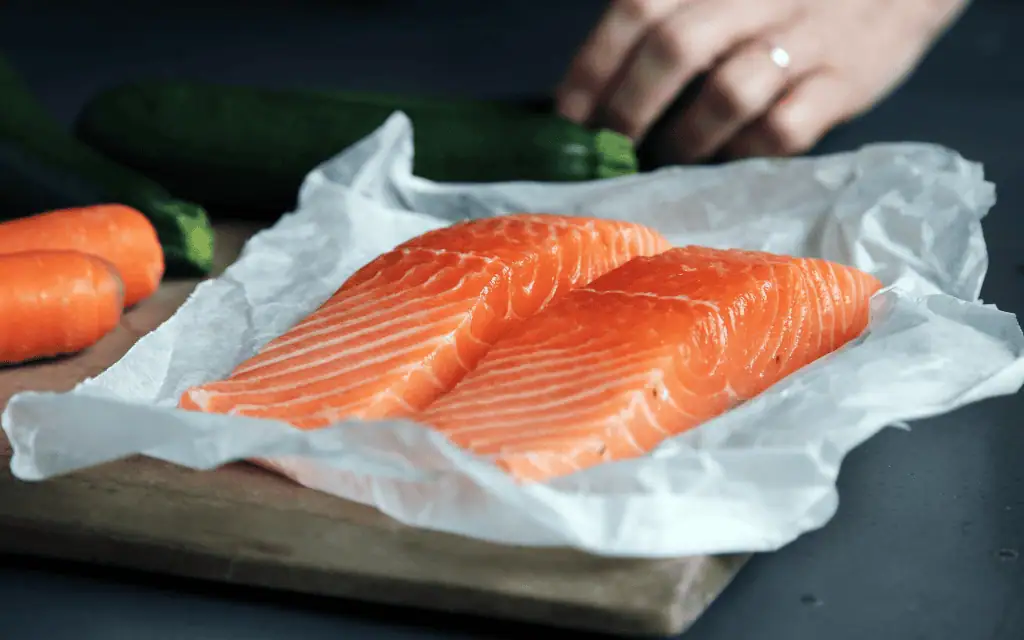
Farmed salmon sold in the U.S. is commonly fed synthetic color additives to achieve the pink shade consumers expect. These additives are more tightly regulated or restricted in other countries. Critics argue the practice masks differences between wild and farmed fish. While legal in the U.S., the approach reflects how appearance often drives food production decisions more than transparency or minimal processing standards enforced elsewhere.
Instant Ramen Noodles
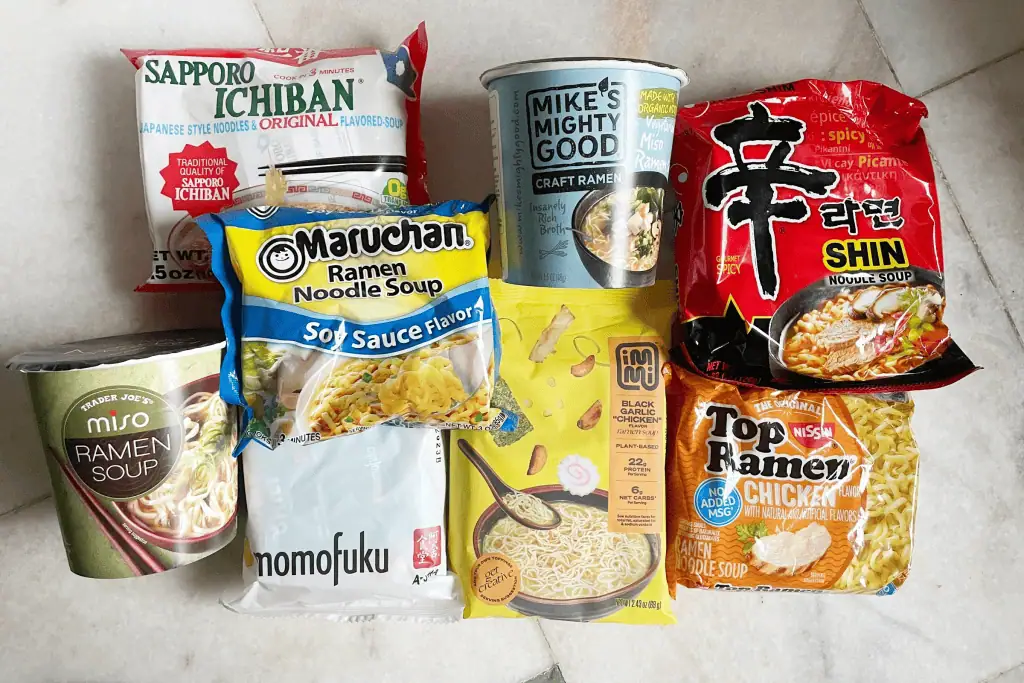
Some instant ramen sold in the U.S. contains preservatives and sodium levels restricted in other countries. While convenient and inexpensive, these noodles often exceed additive limits set by stricter regulators. In the U.S., they remain widely consumed, especially by students and budget-conscious families. Other nations impose tighter controls on cumulative sodium and additive intake, while American regulations allow broader flexibility.
Chewing Gum

Certain chewing gums sold in the U.S. include additives restricted or banned in parts of Europe. These ingredients are used to improve texture and shelf life rather than nutrition. While gum isn’t a dietary staple, frequent exposure raises regulatory concerns elsewhere. In the U.S., gum remains lightly regulated compared to food products. The difference illustrates how non-food consumables still fall under food safety debates internationally.
American Hot Dogs

Hot dogs often contain preservatives like sodium nitrite, which are restricted or banned in some countries due to links with long-term health risks. In the U.S., these preservatives are widely used and accepted. Hot dogs are deeply embedded in American food culture, making reformulation slow. Other countries have chosen stricter limits, while the U.S. allows continued use with labeling rather than prohibition.
Chlorine-Washed Chicken

U.S. poultry processing allows chemical washes to reduce bacteria, a practice banned in the European Union. European regulators prefer farm-level hygiene instead of post-slaughter treatments. American chicken produced this way is legal and widely sold domestically. The ban abroad is less about immediate danger and more about production philosophy. It reflects a fundamental difference in how food safety is approached.
Boxed Cake Mixes and Frostings

Many boxed cake mixes and frostings sold in the U.S. contain artificial colors and preservatives restricted in other countries. These additives improve shelf life and appearance rather than taste or nutrition. In stricter markets, manufacturers must reformulate or remove certain ingredients. In the U.S., these products remain holiday staples. Their acceptance shows how processed baking shortcuts face fewer regulatory barriers domestically.


