
12 Countries With the Most Unforgettable Food on Earth

Explore the world's culinary landscapes, where each country's cuisine offers a distinct experience. This journey through taste profiles celebrates the unique ingredients, techniques, and traditions that define the identity of each region, providing unforgettable food experiences shaped by history and culture. Discover how these nations transform simple ingredients into extraordinary dishes, with an emphasis on understanding and mastering specific culinary techniques to elevate home cooking.
Italy: A Symphony of Flavors
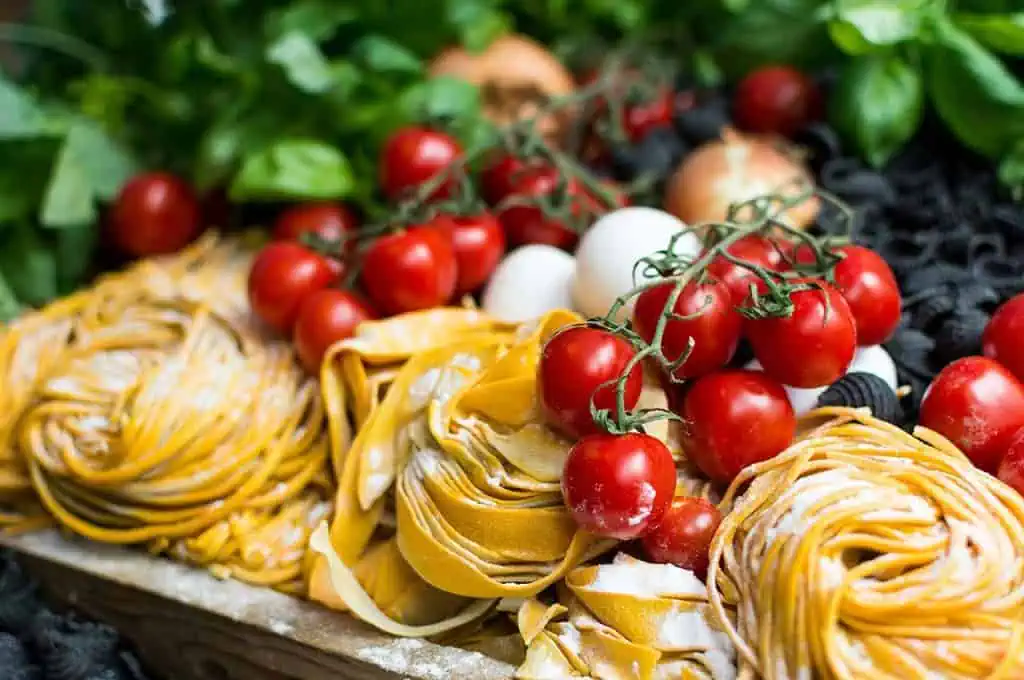
Italian cuisine is an ode to simplicity and quality, spotlighting fresh ingredients and time-honored techniques. Embrace the art of pasta making, where texture is as important as flavor, ensuring each noodle achieves the perfect al dente bite. Tomatoes, basil, and olive oil unite in the classic trio for a rich pomodoro sauce, while Parmesan and aged balsamico add depth and complexity. Master the gentle simmering technique for risottos and the critical balance of acidity and flavor in vinaigrettes.
Japan: Culinary Artistry

Japanese cuisine celebrates precision and the natural essence of ingredients. Sushi exemplifies this artistry, requiring exact rice-cooking methods to achieve ideal texture and taste. The subtle balanced flavors of dashi, a cornerstone broth, bring umami depth to soups like miso and enhance grilled meats. Perfect your knife skills for sashimi, ensuring clean cuts that respect the fish. Embrace the mindful attention to detail found in plating, reflecting harmony and aesthetics.
Thailand: A Harmony of Taste
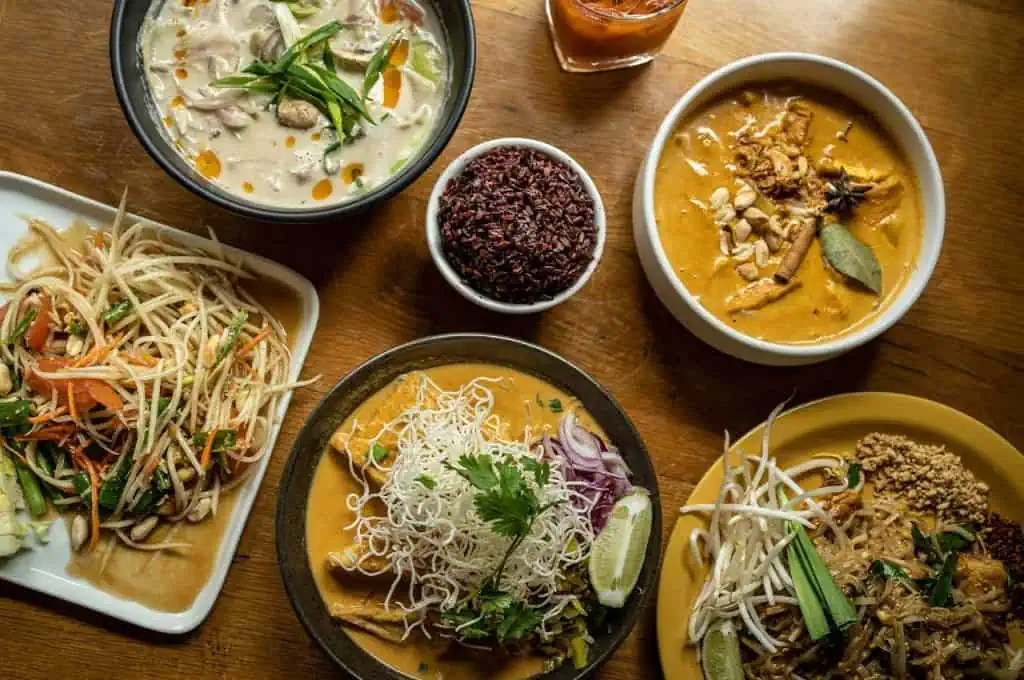
Thai cuisine masterfully balances sweet, sour, salty, and spicy, creating vibrant dishes. Basic ingredients like lemongrass, galangal, and kaffir lime leaves infuse dishes with distinct aromas. Develop a tender touch with coconut milk, using slow simmering to marry flavors while maintaining the dish’s vibrancy. Perfect the technique of pounding spices and herbs in a mortar to release essential oils, enhancing the profile of green and red curries. Handle fish sauce boldly but precisely.
France: Classic Elegance on a Plate

French cooking epitomizes refined techniques and layered flavors. Master the art of sauces, where a proper roux forms the base for velvety béchamel or the rich depth of demi-glace. Learn to coax flavor from mirepoix slowly, a fundamental base for many soups and stews. Focus on texture and presentation, whether it’s the crispy skin of a perfectly roasted chicken or the delicate creaminess of a soufflé. Trust in quality ingredients and precision to elevate each dish to a classic status.
Mexico: A Fiesta of Spice

Mexican cuisine is a vibrant display of colors, textures, and bold flavors, with its heart in the use of chilies like jalapeños and poblanos. Essential techniques include roasting and grinding to create rich sauces like mole. Handmade tortillas made from masa harina provide a comforting base for dishes. Achieving the perfect balance of spicy, tangy, and savory is key, with limes and cilantro offering fresh undertones. Master the art of slow-simmered salsas to appreciate the depth of Mexican gastronomy.
India: A Spice Lover’s Paradise

Indian food is an intricate tapestry of flavors, thanks to its rich spice heritage. Toasting spices such as cumin, coriander, and mustard seeds intensifies their aromas before blending into curries. Mastering the simmering of fragrant basmati rice and lentils creates foundations for diverse dishes. Balancing heat with cooling ingredients like yogurt and lemon is crucial. For a satisfying texture, temper spices in clarified butter, enhancing both vegetarian and meat-based recipes to perfection.
Greece: A Taste of Tradition

Greek cuisine embraces simplicity, where olive oil plays a starring role in enhancing flavors. Grilling meats such as lamb to juicy tenderness is a hallmark, complemented by fresh herbs like oregano and thyme. Combining layers of phyllo pastry with nuts in desserts highlights textural contrast, while creamy tzatziki offers refreshing acidity. Cooking with fresh fish and earthy vegetables connects to Greece’s coastal traditions, emphasizing clean, robust flavors reminiscent of the Mediterranean.
Spain: A Tapas Culture

Spanish cuisine celebrates communal eating through tapas, where variety meets flavor. Highlight the use of paprika and saffron in dishes like paella, requiring precise timing to achieve a perfect socarrat. For authentic tapas, focus on quality over complexity, using ingredients like jamón ibérico and olives. Pairing with diverse textures, such as crisp patatas bravas and tender calamari, invites a dynamic eating experience. The art of pairing wine or sherry elevates these small plates into a culinary journey.
Turkey: A Fusion Feast
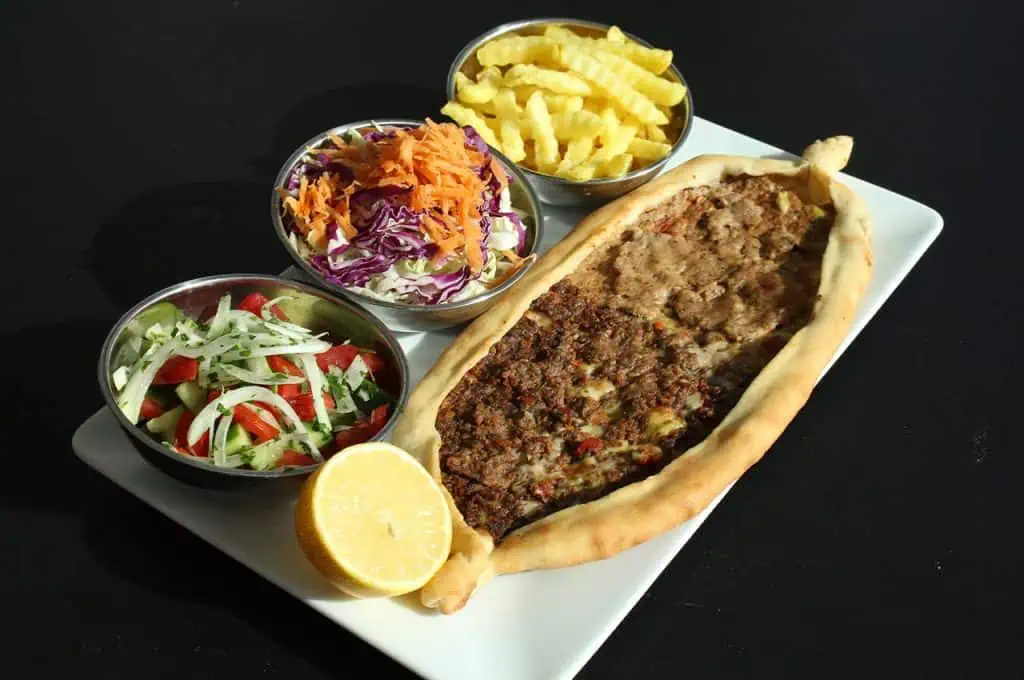
Turkish cuisine merges flavors from rich culinary traditions, with spices like sumac adding a tangy zest. Master kebab grilling to achieve savory charred notes, blending with aromatic dishes like pilaf. Incorporating yogurt in marinades or dips like cacık balances spice with cooling richness. Layers of flaky börek, filled with savory cheese or spinach, demonstrate the harmony of delicate textures. Embrace the subtle sweetness from fruits like pomegranates and apricots for a refreshing contrast.
Vietnam: Fresh and Flavorful Fare

Vietnamese cuisine offers a vibrant palette derived from crisp herbs, citrusy notes, and umami-rich fish sauce. Freshness is paramount, with dishes like pho, where aromatic bone broth is ladled over rice noodles, thinly sliced beef, and a flurry of fresh herbs. Banh mi sandwiches combine airy baguettes with pickled vegetables and savory meats, showcasing the country's colonial history. The balance of sweet, sour, salty, and heat characterizes Vietnamese food, demanding precise seasoning and timing, especially with quick stir-fried dishes where overcooking can mute the bright flavors.
Lebanon: Rich Mediterranean Delights
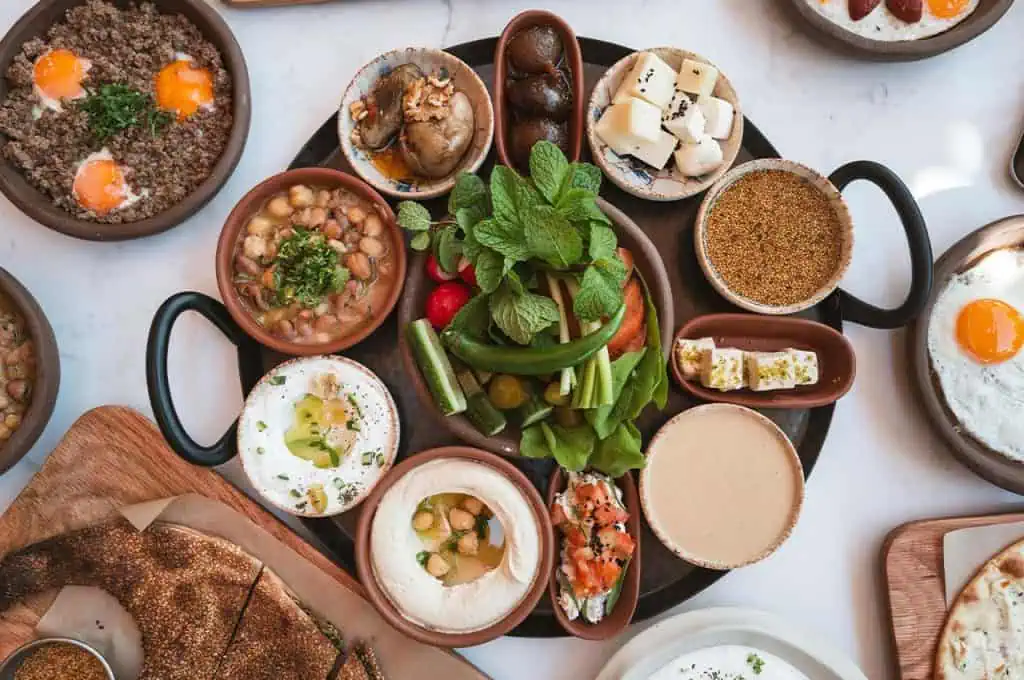
Lebanese cuisine is celebrated for its robust flavors emanating from spices like sumac and za'atar. The mezze platter invites an exploration of textures: creamy hummus, the smoky depth of baba ghanoush, and crisp, golden falafel. Kibbeh, often considered the national dish, requires mastering the art of seasoning ground meat with bulgur and spices, then frying to a perfect crust. Tahini enriches many dishes, providing a nutty base for sauces that complement grilled meats. The emphasis is on fresh ingredients, with plentiful use of lemon juice and parsley to uplift hearty dishes.
Morocco: A Spice-Scented Mosaic

Moroccan cuisine is an enticing confluence of spices, with ras el hanout at its core, a blend that can include up to 30 spices. Slow-cooked tagines are emblematic; they showcase how clay pots trap steam, melding spices like saffron and coriander with tender meats and fruits such as apricots and figs. Couscous, the delicate, steamed semolina, accompanies many meals, absorbing rich flavors. Harira soup offers a harmonious beginning to a meal with its tomato base enriched by legumes and spices. Mastery in balancing spices and patient simmering is key to authentic Moroccan flavors.


