
12 American “Classics” That Actually Came From Somewhere Else

From backyard barbecues to diner menus, plenty of dishes we think of as purely American actually began their journeys overseas. Immigrants brought recipes, flavors, and techniques that slowly blended into the nation’s melting pot of cuisine. Over time, those borrowed bites were adapted, rebranded, and embraced as national favorites. Here are twelve iconic “American” foods that owe their origins to other parts of the world and the stories behind how they became so deeply American.
Apple Pie – England

“American as apple pie” might be one of the most famous sayings, but the dessert actually came from England. The earliest versions date back to the 14th century, often filled with apples, figs, and pears. Settlers brought those recipes to the colonies, where they adapted them with local ingredients and spices. The pie’s simplicity and comfort eventually made it a symbol of American home life.
Hamburgers – Germany
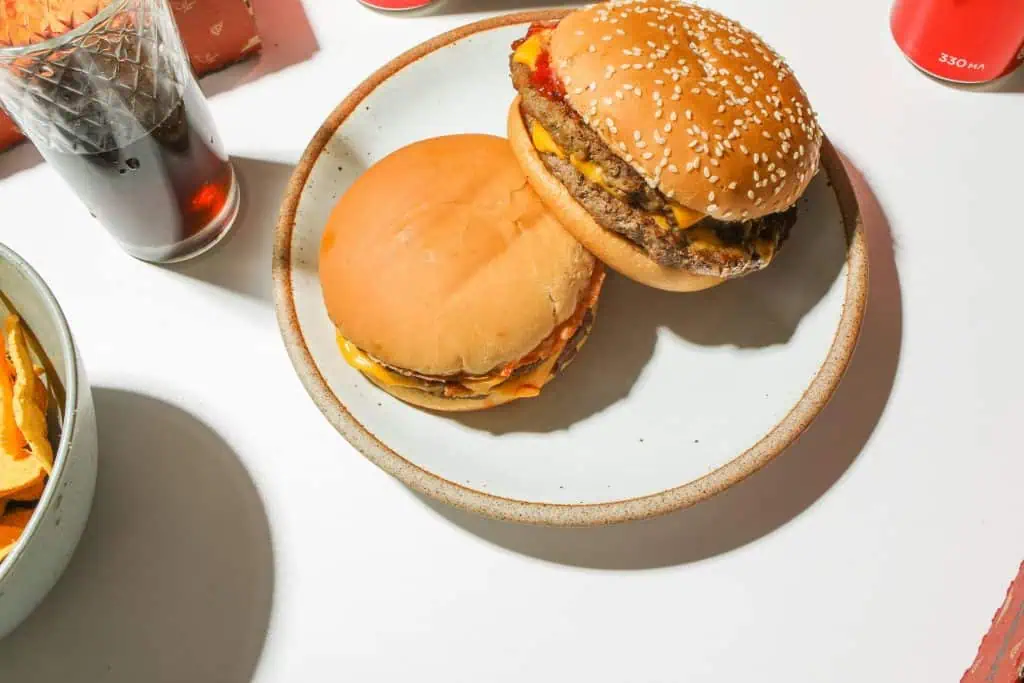
The humble hamburger traces its roots to Hamburg, Germany, where minced beef patties were popular long before they hit U.S. grills. Immigrants brought the idea to America in the 19th century, and street vendors turned it into a handheld meal by adding bread. Over time, the hamburger evolved into the fast-food icon we know today, quintessentially American, yet proudly German in origin.
Hot Dogs – Austria and Germany
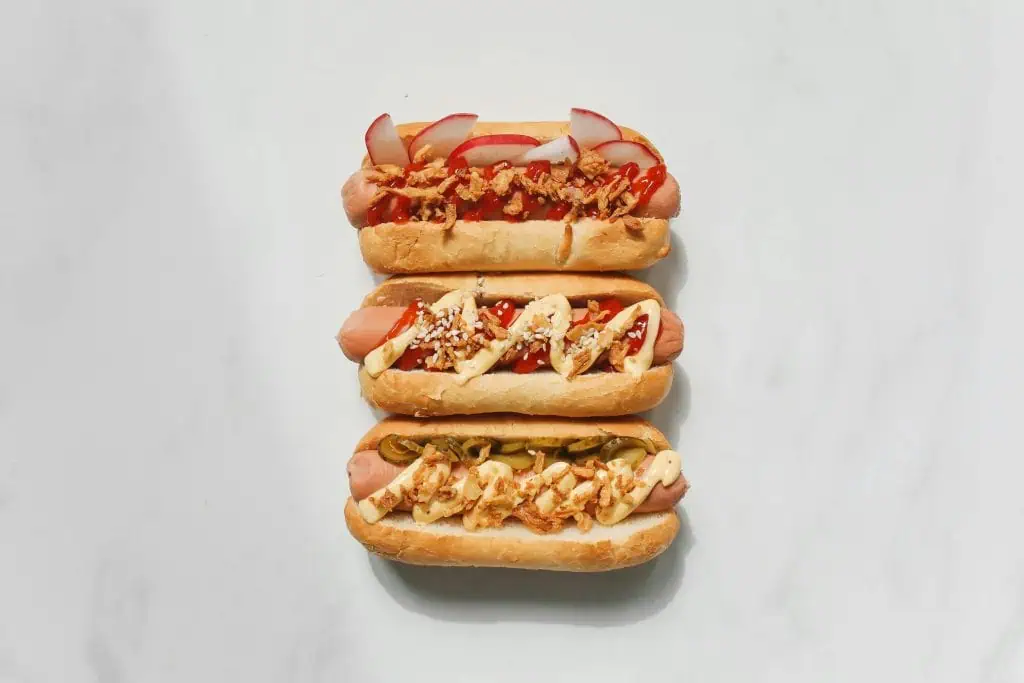
The classic ballpark hot dog has European roots in both Austria and Germany. Sausages similar to the modern frankfurter and wiener were street foods long before crossing the Atlantic. Immigrants in cities like New York and Chicago popularized them as quick, affordable meals. Add a bun and mustard, and the American hot dog was born built on old-world tradition.
Donuts – The Netherlands

Those golden, sugary rings we call donuts began as Dutch “olykoeks,” or “oil cakes,” deep-fried balls of dough brought by early settlers in New Amsterdam. Americans later gave them holes for even frying and coated them with glaze and sprinkles. What started as a European pastry became one of America’s sweetest obsessions.
French Fries – Belgium

Despite the name, French fries most likely originated in Belgium, where villagers fried thin potato strips long before they reached American diners. U.S. soldiers stationed in Belgium during World War I popularized them back home, calling them “French” because French was the region’s language. Crispy, golden, and addictive, they’ve been America’s favorite side ever since.
Pizza – Italy

While pizza is a global comfort food today, it began as a humble dish from Naples, Italy. Immigrants brought the tradition to cities like New York in the late 1800s, and the American version soon evolved thicker crusts, extra cheese, and endless toppings. What started as a simple street food became an icon of U.S. culture, tailored to American tastes.
Macaroni and Cheese – England

Before it became a staple of American comfort food, mac and cheese was a European delicacy served to the wealthy. English cookbooks from the 1700s featured recipes using baked pasta and cheese sauce. Thomas Jefferson helped popularize it in America after encountering it in France, and it’s been a creamy classic ever since.
Cheesecake – Ancient Greece

Cheesecake’s history goes back thousands of years to ancient Greece, where athletes ate it for energy during the first Olympic Games. The Romans later spread it across Europe, and immigrants eventually brought the concept to the U.S. New York gave it a creamy twist with cream cheese, turning an ancient recipe into a modern American dessert icon.
Barbecue – The Caribbean

While barbecue feels like pure Americana, it actually came from Caribbean cooking methods. Indigenous peoples slow-cooked meat over wooden frames called “barbacoa,” which Spanish explorers later introduced to the American South. Over the centuries, regional flavors from Carolina vinegar to Texas smoke have made it a defining element of U.S. food culture.
Fried Chicken – Scotland and West Africa

Southern fried chicken’s crispy perfection came from two traditions merging: Scottish settlers who fried poultry and West African cooks who seasoned it with spices. Enslaved Africans blended the two styles, creating the beloved dish we know today. It’s a testament to the cultural crossroads that shaped Southern cuisine.
Chili – Mexico
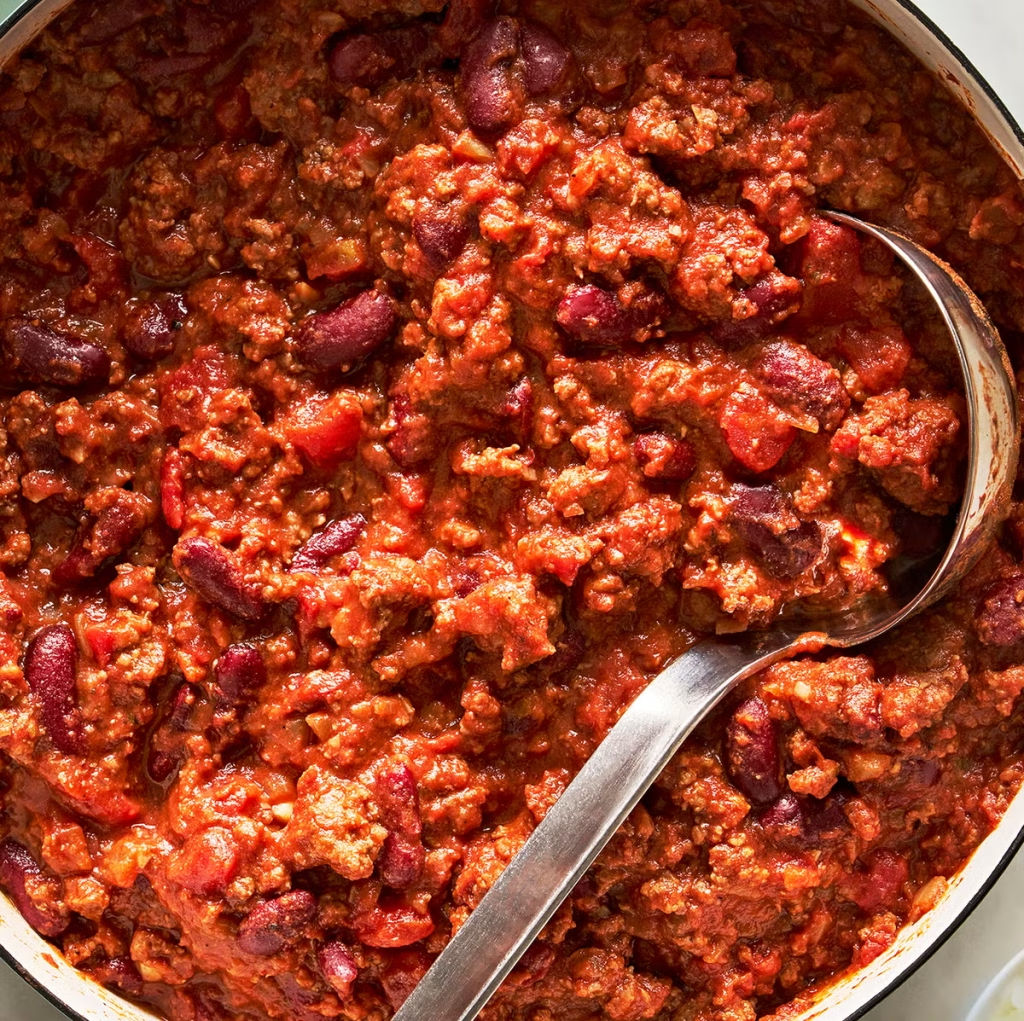
Chili con carne, now a Texan favorite, was inspired by Mexican cooking. Early versions mixed chili peppers, meat, and spices into hearty stews. American settlers in Texas adapted the recipe, creating a thicker, meatier version that became iconic. The dish remains a flavorful blend of Mexican roots and American innovation.
Meatloaf – Germany
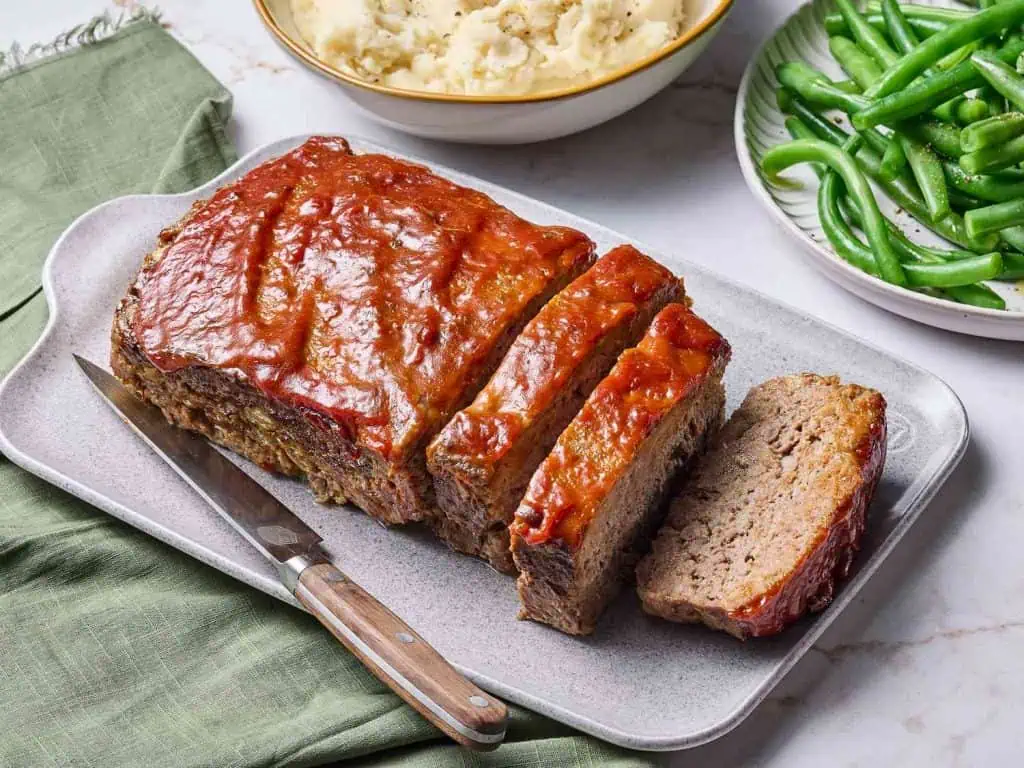
Meatloaf may be the ultimate comfort food, but its origins trace back to Germany’s “Falscher Hase,” or “false hare,” a spiced ground-meat dish. Immigrants brought it to the U.S., where it evolved with breadcrumbs, ketchup, and oven baking. During the Great Depression, it became a staple of thrift and creativity, and an enduring symbol of home-cooked Americana.


