11 Superfoods vs Everyday Alternatives That Pack Just as Much Punch

Superfoods often capture attention and enthusiasm in the quest for optimal nutrition. However, everyday alternatives can offer similar benefits, often at a lower cost and greater accessibility. This guide explores how common ingredients hold their own against celebrated superfoods, empowering home cooks with practical, nutritious choices. Each comparison unveils the unique strengths of both options, arming you with the knowledge to make informed decisions for varied and balanced meals.
Kale vs. Spinach: Greens Go Head-to-Head
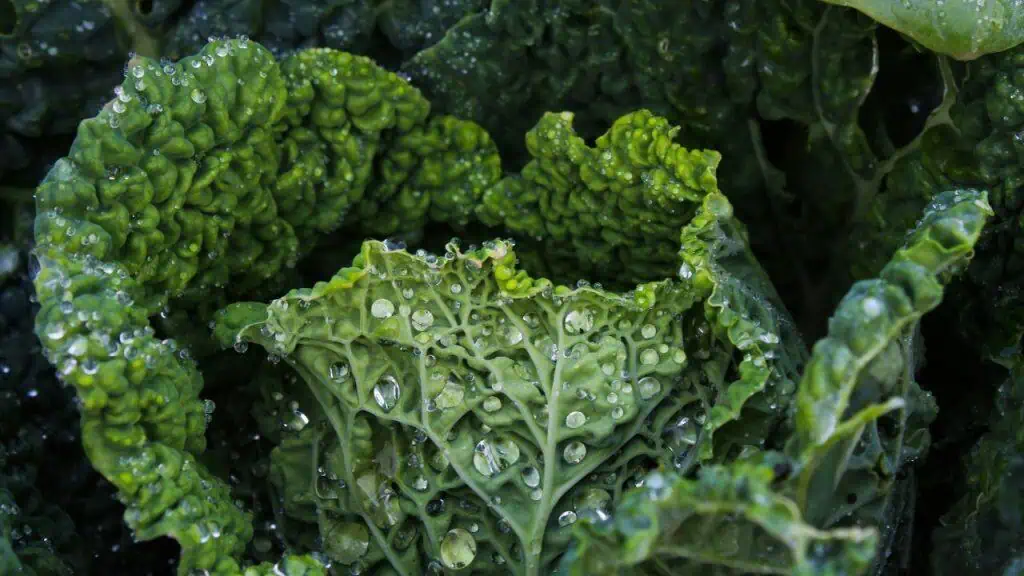
Kale may have been crowned the ultimate supergreen, but spinach quietly matches much of its nutrient profile without the hype. Both are rich in vitamins A, C, and K, yet spinach offers more folate and iron, which are essential for red blood cell production. According to the USDA, a cup of raw spinach has nearly twice the amount of iron found in kale. Kale, however, provides more vitamin C and fiber. Choosing between them isn’t about better or worse, both greens deliver powerhouse benefits at a fraction of the cost.
Quinoa vs. Brown Rice: The Grain Showdown

Quinoa often gets the superfood spotlight, praised for its complete protein profile containing all nine essential amino acids, a rarity among plant-based foods. But brown rice holds its ground as a fiber-rich, affordable staple that supports steady energy release. Research published in the Journal of Nutrition links whole-grain rice consumption to reduced risk of type 2 diabetes. While quinoa packs more protein and magnesium, brown rice remains a nutrient-dense, budget-friendly option for everyday meals.
Chia Seeds vs. Flaxseeds: Big Benefits

Chia seeds are celebrated for their omega-3 fatty acids, fiber, and ability to absorb liquid into a gel-like texture, making them popular in puddings and smoothies. Yet flaxseeds rival them closely, offering lignans, plant compounds shown in Nutrients to support heart health and hormone balance, along with fiber and healthy fats. Both improve digestion and satiety, but flaxseeds often cost less and may even provide more antioxidants, proving you don’t need pricey seeds to reap big benefits.
Goji Berries vs. Blueberries: Antioxidant Punch

Goji berries have been hailed as a superfood for their high antioxidant content, particularly carotenoids, and their traditional use in Chinese medicine for boosting immunity. But blueberries, widely accessible and studied extensively, are packed with anthocyanins, compounds linked in The Journal of Agricultural and Food Chemistry to improved cognitive function and reduced risk of chronic disease. Both deliver powerful antioxidant support, but blueberries offer the same punch without the exotic price tag.
Acai vs. Blackberries: Berry Boosts

Açaí bowls may be trendy, but the frozen purée often loses fiber and requires added sweeteners for taste. While açaí is rich in antioxidants, studies in Food Chemistry show that blackberries contain comparable, if not higher, levels of anthocyanins and vitamin C. They’re also widely available, affordable, and eaten whole, retaining fiber and nutrients. In the berry boost battle, blackberries rival açaí without the cost or hype.
Matcha vs. Green Tea: Sip of Energy

Matcha has become a wellness staple, praised for its vibrant color and concentrated antioxidants. Since you’re consuming the whole powdered leaf, it delivers more catechins, particularly EGCG, than steeped green tea, according to research in the Journal of Chromatography A. While green tea offers a gentler caffeine lift and is more affordable, matcha provides a stronger energy boost and focus due to its higher caffeine and L-theanine content.
Almonds vs. Peanuts: Nutty Nutrient Rivals
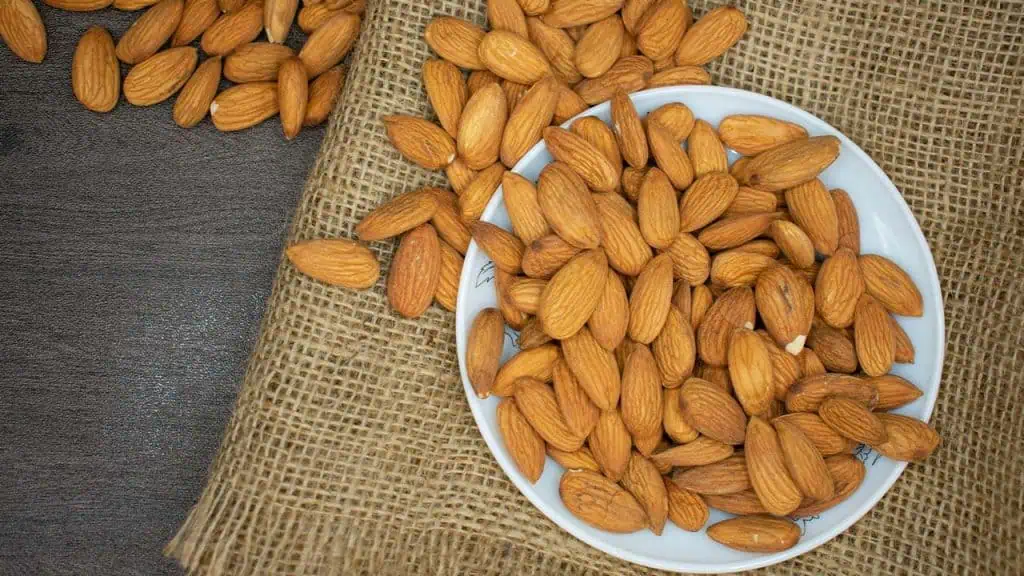
Almonds are often marketed as the “healthier” nut, packed with vitamin E, magnesium, and heart-healthy fats, but peanuts hold their own as a budget-friendly rival. Studies published in JAMA Internal Medicine link both nuts to reduced risk of cardiovascular disease and mortality. While almonds have a slight edge in micronutrients, peanuts provide comparable protein, fiber, and healthy fats, making them just as worthy for daily snacking without the premium price tag.
Salmon vs. Sardines: Omega-3 Compared

Salmon is often celebrated for its omega-3 content, but sardines deliver an equally powerful punch in a smaller, more affordable package. According to the USDA, a serving of sardines provides nearly the same levels of EPA and DHA omega-3s as salmon, while also offering more calcium due to their edible bones. Research in Nutrients highlights that both fish support heart and brain health, but sardines come with lower mercury levels, making them a safer and more sustainable choice.
Avocado vs. Olive Oil: Healthy Fats Face-Off

Avocados and olive oil are both rich in heart-healthy monounsaturated fats, but they bring different perks to the table. Research published in the Journal of the American Heart Association shows that both can lower LDL cholesterol while supporting cardiovascular health. Avocados provide added fiber, potassium, and folate, making them a nutrient-dense whole food, while olive oil, especially extra virgin, offers antioxidant polyphenols linked to reduced inflammation and longevity.
Turmeric vs. Ginger: Healing Roots
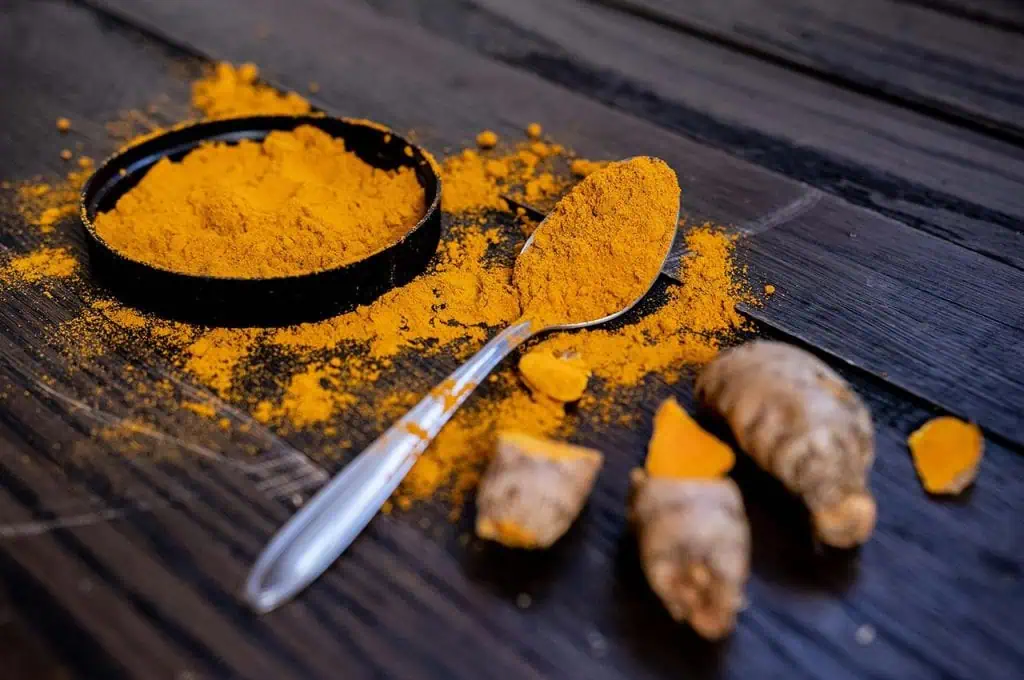
Turmeric and ginger, two powerhouse roots long used in traditional medicine, both pack impressive anti-inflammatory benefits. Curcumin, turmeric’s active compound, has been studied for its role in reducing arthritis symptoms and supporting brain health. Ginger, rich in gingerol, is proven to ease nausea, aid digestion, and fight oxidative stress. While turmeric shines in chronic inflammation research, ginger’s quick-acting relief makes it equally valuable in everyday wellness.
Hemp Hearts vs. Sunflower Seeds: Protein Picks

Hemp hearts and sunflower seeds are both plant-based protein stars, but they shine in different ways. Hemp hearts deliver about 10 grams of protein per three tablespoons and contain all nine essential amino acids, making them a rare complete plant protein. Sunflower seeds, while slightly lower in protein, are rich in vitamin E and selenium, key antioxidants for immunity and skin health. Both are affordable, versatile, and nutrient-dense, making them easy pantry staples.