
5 Major Food Brands Rethinking Their Image Amid Health and Diet Trends

The explosive rise of GLP-1 weight-loss drugs like Ozempic and Wegovy has sent shockwaves through the global food industry in 2026. With over 20% of American households now including at least one user, “Big Food” is facing a sudden shift in how people eat. These medications don’t just reduce weight; they fundamentally change the brain's desire for sugar, fat, and “mindless” snacking. In response, major brands are launching massive, urgent rebrands to avoid being left behind in a more health-conscious market.
Many companies that once relied on high-calorie “crave-ability” are now pivoting toward nutrient density and portion control. Here are five major food giants that are completely reinventing themselves to survive the anti-obesity trend.
Nestlé: The Birth of “Vital Pursuit”

Nestlé, the world’s largest food company, has launched its first major new brand in three decades specifically for this era. Vital Pursuit is a line of frozen meals designed to be “companion foods” for people taking GLP-1 medications. These products are high in protein to help users maintain muscle mass while losing weight rapidly.
They also feature smaller, “portion-aligned” sizes to match the suppressed appetites of drug users. Nestlé is betting that by targeting the $100 billion weight-loss market, they can offset losses in their traditional snack categories. It is a bold move to transform from a candy and coffee giant into a health-science leader.
Conagra Brands: The “GLP-1 Friendly” Label
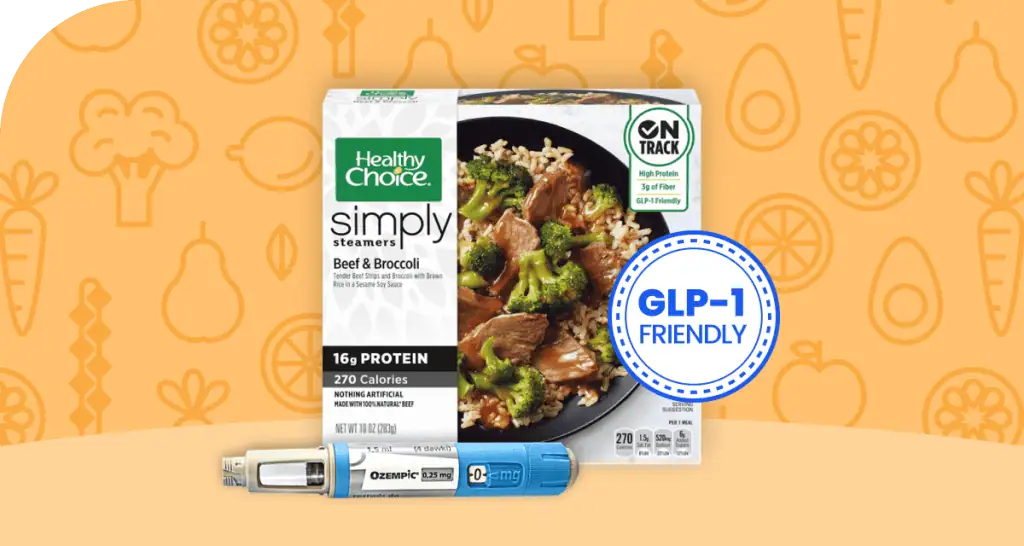
Conagra, the owner of Healthy Choice and Slim Jim, is one of the first to put “GLP-1 Friendly” badges directly on its packaging. This new labeling system highlights products that are high in fiber and protein while remaining low in calories. The company has also committed to removing all artificial food dyes from its frozen portfolio by the end of 2025.
By modernizing legacy brands like Birds Eye, they are focusing on “nutrient-dense” vegetables that appeal to the “food as medicine” movement. They are moving away from the “junk food” label and toward a future of “functional” eating. This rebranding aims to keep their snacks relevant as consumers cut back on empty calories.
PepsiCo: From “Soda Giant” to “Hydration and Fiber”
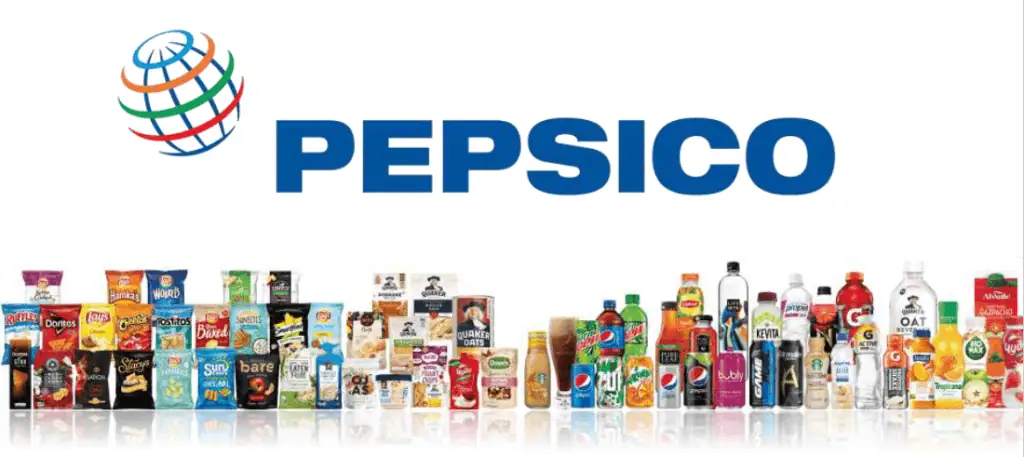
PepsiCo is currently executing a multi-pronged transformation to distance itself from its sugary reputation. The company is leaning heavily into its Propel and Gatorade lines, focusing on “functional hydration” and electrolyte powders. They have also launched “Simply NKD,” a reformulated version of Lay's and other snacks with shorter, cleaner ingredient lists. CEO Ramon Laguarta recently stated that the company is “very optimistic” about playing in a reality where consumers eat smaller portions.
They are even betting on “prebiotic colas” and fiber-forward SunChips to satisfy gut-health enthusiasts. PepsiCo is proof that even a soda king can pivot toward the wellness aisle.
Danone: The “OneBiome” Gut Health Pivot

Danone is reinventing itself as a “science-based, consumer-centric” health company through its “Renew Danone” strategy. They recently inaugurated the OneBiome Laboratory to lead the world in gut health and microbiome research. The company is shifting its focus away from basic dairy and toward “Medical Nutrition” and high-protein plant-based offerings.
They are also working to remove barriers for consumers trying to buy healthier, low-sugar products for their children. By 2026, Danone aims to be the go-to brand for “aging well” and immune support through fermented foods. It is a complete cultural reset intended to make health their primary business driver.
General Mills: The Cereal vs. Protein Battle
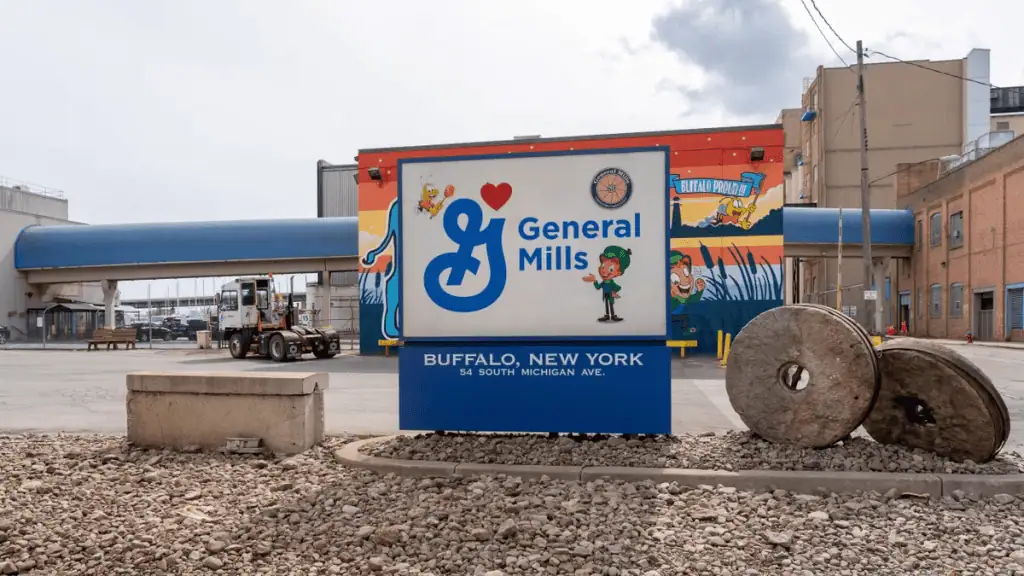
General Mills is currently struggling as consumers trade their morning bowl of Cheerios for high-protein alternatives. In response, the company is aggressively rebranding its cereal business to emphasize fiber and whole-grain benefits. They are also investing heavily in their “weight-conscious” snacks and protein-forward breakfast bars to compete with the GLP-1 trend. CEO Jeffrey Harmening has admitted that “evolving consumer tastes” are forcing a rethink of their entire annual forecast.
They are now prioritizing “value” and “nutrition” as core expectations for their middle-class customers. The company is fighting to prove that cereal still has a place in a high-protein, anti-obesity world.


