
11 ‘Organic’ Label Tricks That Could Be Fooling You

Organic labels on food products can often be misleading, leaving consumers with misconceptions about their purchases. Understanding these labels is essential for making informed choices. This guide uncovers common tricks used on organic-labeled products, ensuring that you can navigate the grocery aisles with confidence. Let’s dive into some of the most prevalent misconceptions, beginning with the assumption that organic always means chemical-free.
Not Always Chemical-Free

The organic label does not guarantee that a product is free from chemicals. Organic farming permits certain natural pesticides and fertilizers. While these are often perceived as less harmful, they can still impact the environment and health. Focus on understanding which substances are used and how they affect the products. This knowledge helps in making better choices, especially when striving for minimal chemical exposure from your food.
Nutritional Claims Overblown

Many assume organic foods are inherently more nutritious, but the difference in nutrient content between organic and conventional foods is often minimal. Variables such as soil quality, plant varieties, and farming methods can influence nutritional levels more than the organic label. It’s essential to consider these factors and not rely solely on labels when seeking nutrient-rich foods. Opt for a variety of foods to ensure a balanced intake of essential nutrients.
Toxicity of Natural Pesticides

Natural pesticides, though derived from natural sources, can still pose toxicity risks. Substances like rotenone and copper sulfate are common in organic farming and have known toxic effects. It's important to be aware of the specific chemicals used in the products you consume. By researching and understanding these chemicals, you can make more informed decisions and reduce potential health risks associated with natural pesticide exposure.
More Sprays, Not Fewer

Organic farming sometimes requires more frequent applications of pesticides, albeit natural ones, to manage pests effectively. This can lead to a higher overall pesticide load on produce compared to some conventional farming practices. Understanding the growing conditions and protective measures in place can help you assess the genuine safety and quality of the organic produce you purchase. Always wash fruits and vegetables thoroughly to minimize any residue present.
Is the Price Premium Justified?
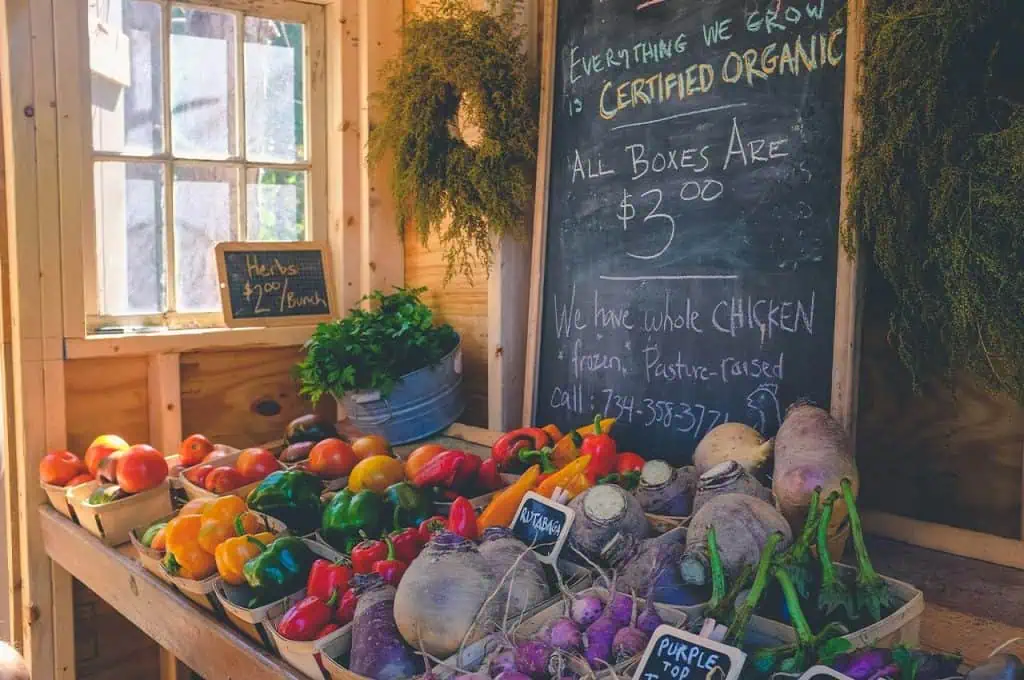
When selecting organic produce, consider more than just the label's allure. The higher price isn't always a guarantee of superior quality or nutrition. Analyze your priorities; certain organic options may indeed offer benefits, like fewer pesticides and enhanced soil health. Yet, depending on your region, locally grown non-organic might provide similar advantages. Dive deep into why specific items are pricier. Often, it’s the production scale and techniques that impact cost. Civically informed buyers prioritize products that align with their values without blindly following labels.
Environmental Impact Puzzle

Organic farming is often praised for being eco-friendly, but nuances exist. While typically avoiding synthetic fertilizers, the use of natural alternatives isn't without footprint. Evaluating water usage, soil health, and biodiversity tells a fuller story. Small organic farms might have a gentler touch, but large-scale operations can occasionally mirror conventional farming impacts. Understand how diverse practices affect habitats. Opt for certifications that pledge genuine sustainability and engage with ones demonstrating transparency in their methods to truly support Earth-friendly choices.
Antibiotic-Free Isn't Simple

Avoiding antibiotics is a key promise of organic labeled meat, yet, the path to this claim isn't straightforward. Although such products ensure animals aren't routinely drugged, fine print shows exceptions for health interventions. Producers opting for wellness over financial gain may inspire confidence. Realizing the complexity of livestock management sharpens your skills in distinguishing sincerity from marketing. Instead of surface-level assumptions, inquire about animal welfare standards and talk to local farmers when possible for deeper insight into husbandry practices.
Industrial Organic Farms Exist

The organic label suggests quaint farms and hands-on care, but reality demonstrates scale diversity. Industrial-scale organic farming can mirror conventional operations, employing volume-focused logistics. Though compliance with organic guidelines persists, giant enterprises sometimes overshadow smaller farms, diluting perceived intimacy. This influence on quality varies, prompting explorations into certifications beyond organic. Regional origins and scale affect flavor and ethics. Advocating for responsible sourcing is key to maintaining product integrity and supporting agricultural communities.
Cross-Contamination Risks

Organic doesn’t guarantee absolute purity, especially in mixed-environment settings. Proximity to conventional plots or shared equipment can lead to contamination with non-organic substances. The integrity of organic products often depends on the rigor of the maintaining protocols. Be informed about your supplier's processes, such as how they prevent pesticide drift. Coexistence with non-organic endeavors necessitates systems ensuring separation. By comprehensively understanding these systems, consumers can better mitigate such risks and confidently champion authentic organic purchases.
Lacking Long-Term Health Data

While organic products are often marketed as healthier, there is limited long-term health data supporting these claims. Current studies primarily focus on short-term benefits, such as fewer pesticide residues. However, concrete evidence linking organic foods to significantly improved long-term health outcomes remains scant. As a discerning cook, emphasize a balanced diet rich in various nutrients rather than relying solely on organic labeling to guide your choices. Critical thinking about nutrition and food sources will better serve your culinary and health goals.
Flexible Definition of Organic

The requirements to qualify as “organic” can vary and may encompass differing standards. These can range from minimal pesticide use to broader environmental farming practices. Understanding this flexibility can help home chefs make informed purchasing decisions. Carefully read labels and research brands to ensure they align with your standards. Familiarize yourself with country-specific regulations, as the term can mean different things in various regions, knowing these details will enhance your cooking and purchasing strategy.
Better Ways to Spend Money
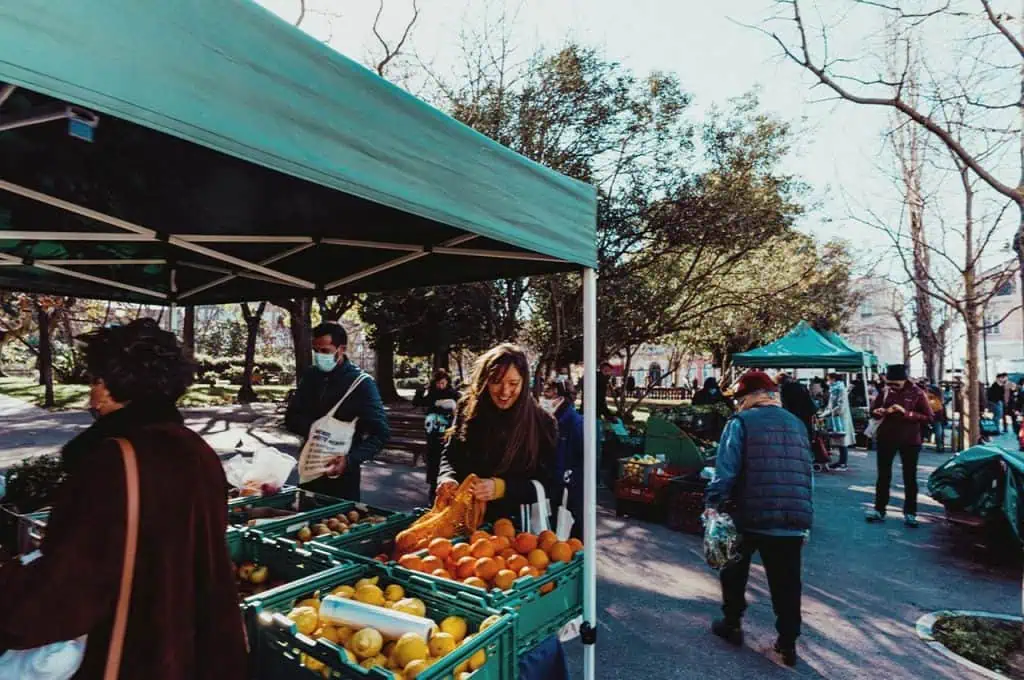
Investing in organic ingredients isn't the only or even necessarily the best way to elevate your cooking. Consider prioritizing fresh, seasonal, and locally sourced products, which can often deliver superior taste and nutrients. Supporting small farmers and markets not only enhances ingredient quality but also benefits local ecosystems. Tools such as high-quality knives or temperature-controlled ovens can significantly improve your culinary results. Rethink spending patterns toward what truly impacts your cooking efficiency and results, rather than labels.


