
10 Unexpected Ways Technology Is Changing Our Everyday Eating Habits

Technology continues to transform our daily eating habits, integrating seamlessly into our kitchen routines and dining experiences. As digital innovations evolve, they offer new ways to prepare, organize, and enhance our culinary adventures. From smart kitchens to personalized diet management, these advancements help us make more informed, convenient, and creative choices in everyday cooking and eating. Exploring these innovations not only inspires but also empowers home cooks to elevate their food experiences effortlessly.
Smart Kitchens: Cooking While You Work

Smart kitchens blend convenience with capability, enabling cooks to multitask with ease. Equipped with Wi-Fi-connected ovens and voice-activated appliances, these kitchens let you control cooking processes through apps or smart speakers, ensuring that meals are managed while attending to other tasks. Pre-programmed settings on devices help achieve perfect textures and prevent overcooking, enhancing results consistently. With remote access, adjusting cooking times or temperatures becomes seamless, making multitasking around meal preparation a reality.
Craving Predictions: Meal-Planning Apps
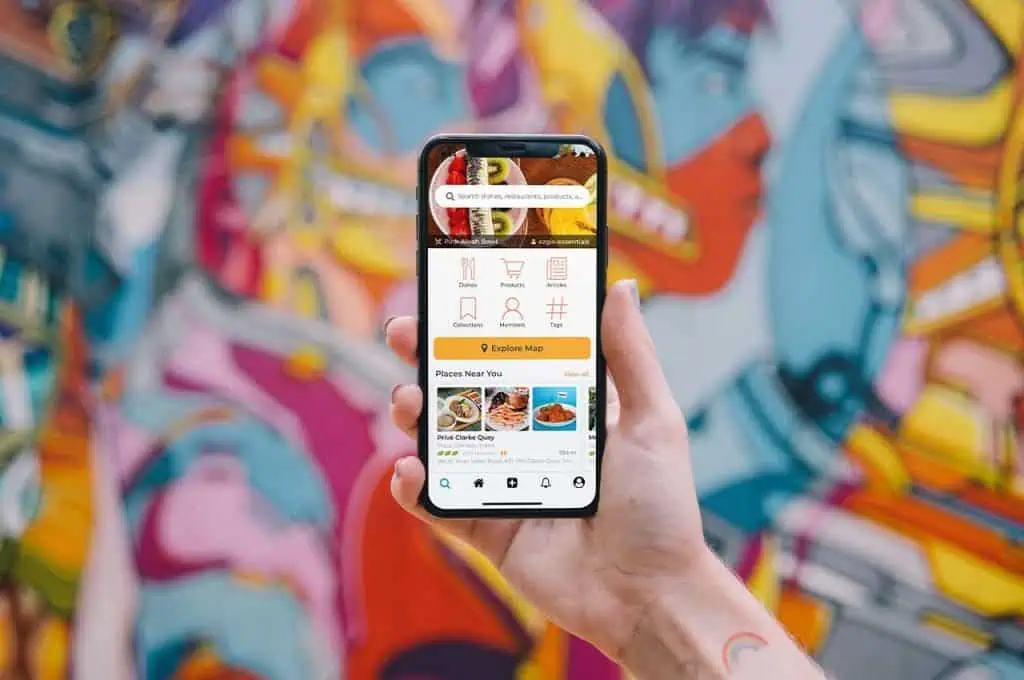
Meal-planning apps now leverage artificial intelligence to analyze user preferences and past choices, providing tailored meal suggestions that satisfy cravings efficiently. These apps consider dietary restrictions, ingredient availability, and seasonal produce, ensuring plans are both realistic and enticing. By predicting cravings and offering curated recipes, they help streamline grocery shopping and cooking, ultimately reducing food waste and enhancing enjoyment through a well-planned, diverse diet.
Grocery Algorithms: Learning Your Preferences

Modern grocery shopping experiences are personalized through algorithms that learn your preferences. Online platforms suggest products based on previous purchases, dietary habits, and even recipes you’ve explored. This customization reduces decision fatigue and introduces new ingredients aligned with your taste. Moreover, these systems often offer discounts on frequently purchased items, making them budget-friendly. As the algorithms evolve, they encourage experimenting with flavors and products, expanding culinary boundaries.
Real-Time Diet Adjustments with Trackers

Dietary trackers integrated with wearable technology provide immediate insights into nutritional intake. By synching smartphone apps with these devices, users receive real-time updates on caloric consumption and nutrient levels. This data-driven approach allows for instant meal adjustments, ensuring balanced nutrition tailored to personal goals. Whether aiming to lose weight or optimize energy, these tools offer guidance beyond calorie counting, encouraging mindful eating and supporting a sustainable lifestyle.
3D-Printed Meals: Personalization at Home

3D printing in food allows home cooks to create customized meals with precision. This innovation enables precise control over portion sizes and nutritional content. By layering ingredients, you achieve intricate textures and flavors impossible to replicate manually. Printing pasta shapes or chocolate designs caters to dietary preferences while minimizing waste. This technology invites culinary creativity, encouraging cooks to experiment with flavors and presentations that suit personal tastes, transforming everyday dining into a more individual experience.
Virtual Reality: Dining at Home Redefined

Virtual reality (VR) in dining immerses users in diverse culinary environments, enriching the at-home dining experience. VR allows you to simulate dining in a Parisian bistro or a bustling Asian market, enhancing sensory engagement. It provides guided cooking classes where chefs provide step-by-step instruction in a virtual kitchen. This technology offers a vibrant escape from routine, motivating experimentation with international cuisines and unfamiliar ingredients, ultimately broadening culinary horizons without leaving home.
AI Recipes: Last-Minute Cooking Solutions

Artificial intelligence aids in effortlessly planning meals with whatever ingredients you have on hand. AI-powered apps suggest recipes based on available ingredients, dietary restrictions, and time constraints, reducing food waste and decision fatigue. By analyzing vast recipe databases, AI learns user preferences, providing increasingly tailored meal ideas. This innovation simplifies meal preparation, aiding in quick decision-making, and encouraging spontaneous yet satisfying culinary adventures without the stress of traditional meal planning.
Contactless Payment: Revolutionizing Snack Runs

Contactless payment systems have transformed the way we make food purchases, enhancing convenience and efficiency during snack runs. This technology reduces transaction times and limits physical contact, prioritizing hygiene. Seamless payments encourage impulse buys at vending machines, food stalls, or stores, integrating swiftly with mobile wallets and loyalty programs. This ease of purchase fosters spontaneous indulgence, allowing for a more fluid and stress-free shopping experience, making it a staple in modern food consumption.
Social Media's Role in Daily Meal Choices

Social media platforms significantly influence daily eating habits by showcasing diverse cooking techniques, trending dishes, and user-generated recipes. These platforms offer rich visual inspiration that promotes trying new foods and embracing both global and seasonal ingredients. Influencers and food bloggers guide food choices, often setting trends that impact shopping lists and meal planning. This dynamic interaction between social networks and culinary preferences keeps home cooks engaged, curious, and informed, encouraging a continuous evolution of their cooking repertoire.
Smart Fridges: Recipe Suggestions on Demand

Smart fridges now offer real-time recipe recommendations based on their contents. Utilize ingredients before they spoil by scanning available items, allowing you to turn forgotten produce into a vibrant salad or a rich soup. This technology helps prevent waste and encourages creativity. Ensuring fridge cameras and inventory systems are up-to-date maximizes this functionality. Often, directing your smart fridge to suggest international cuisines or dietary preferences can lead to unexpected, delicious meals. This feature makes meal planning seamless, adapting to your schedule and dietary needs effortlessly.


