
10 Thyroid-Friendly Foods Nutritionists Recommend

Supporting thyroid health with the right foods is crucial for balanced hormones and overall well-being. Nutritionists emphasize that certain ingredients can actively support thyroid function or even help manage related symptoms. This guide highlights ten well-regarded foods that deserve attention in a thyroid-friendly diet, offering nutrients that contribute directly to thyroid performance. Whether you’re looking to optimize your glandular function or simply seeking nutritious additions to your meals, these selections can provide beneficial elements tailored for thyroid support.
Brazil Nuts: Selenium Powerhouse
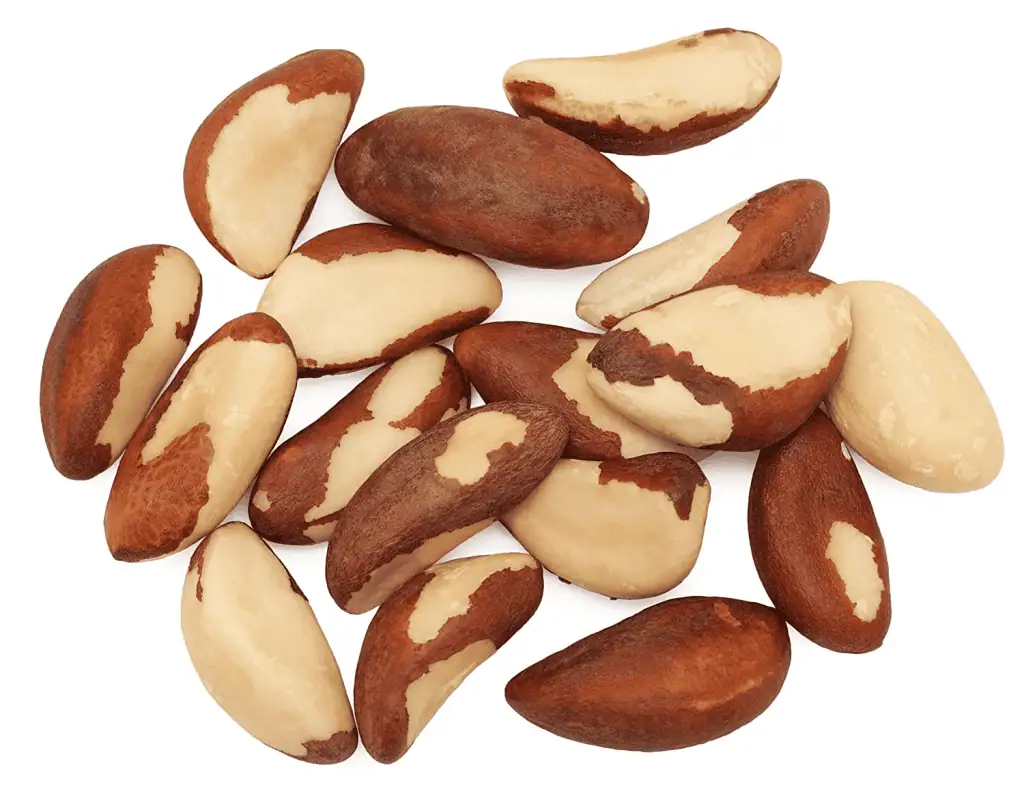
Brazil nuts are one of the richest natural sources of selenium, a mineral essential for thyroid hormone metabolism. Enjoying just one to two nuts a day can supply your body with an adequate amount. To maximize flavor and preserve nutrients, store Brazil nuts in an airtight container in a cool, dry place. When adding them to your diet, chop them finely and sprinkle over salads or yogurt for a delightful crunch. Their creamy texture and subtle, earthy flavor make them a versatile ingredient that effortlessly incorporates into various meals.
Seaweed: Natural Iodine Source

Seaweed is an excellent source of iodine, crucial for the production of thyroid hormones. Varieties like nori, wakame, and kombu offer different textures and flavors, from the crispiness of nori sheets to the soft, silky strands of wakame in soups. When purchasing, opt for organic seaweed to reduce potential exposure to heavy metals. To prevent iodine excess, incorporate small, consistent amounts into your diet, such as a sprinkle of dried seaweed flakes on rice or salads, or adding kombu to broths for a rich umami depth.
Eggs: Iodine, Selenium & Protein
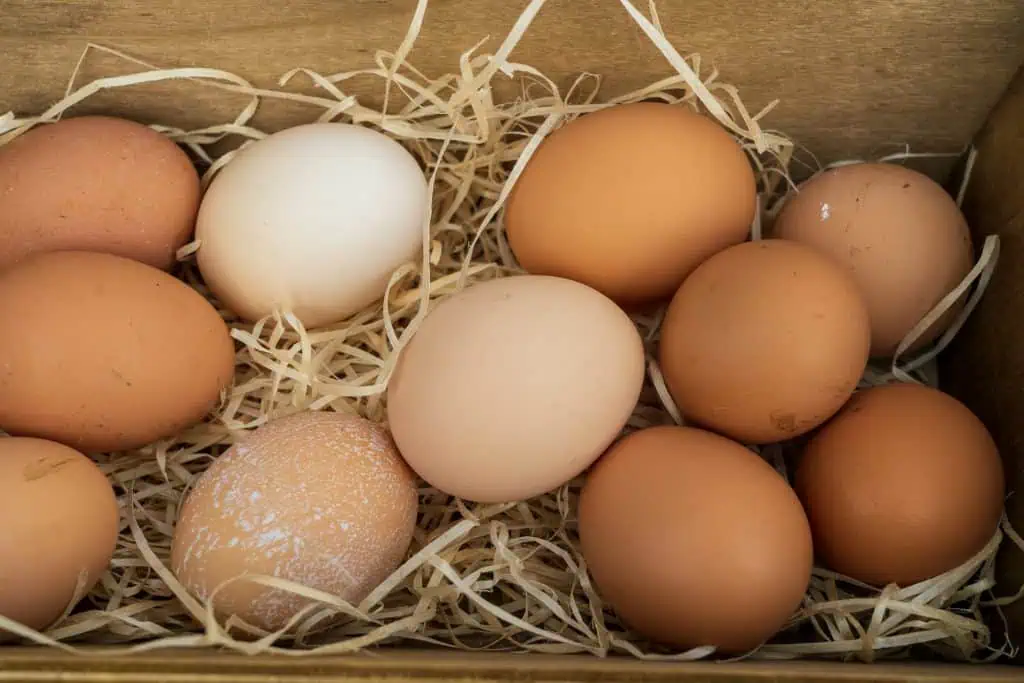
Eggs are a convenient and versatile food packed with iodine, selenium, and high-quality protein. Both the yolk and white provide essential nutrients, so consume the whole egg to reap full benefits. Aim for pasture-raised eggs for higher omega-3 content. Whether they’re poached, scrambled, or hard-boiled, eggs fit seamlessly into any meal. Pair them with leafy greens for a nutrient-dense breakfast, or use them to enrich salads and grain bowls, ensuring your preparation method keeps them soft and creamy to highlight their natural flavor.
Fatty Fish: Omega-3 for Inflammation
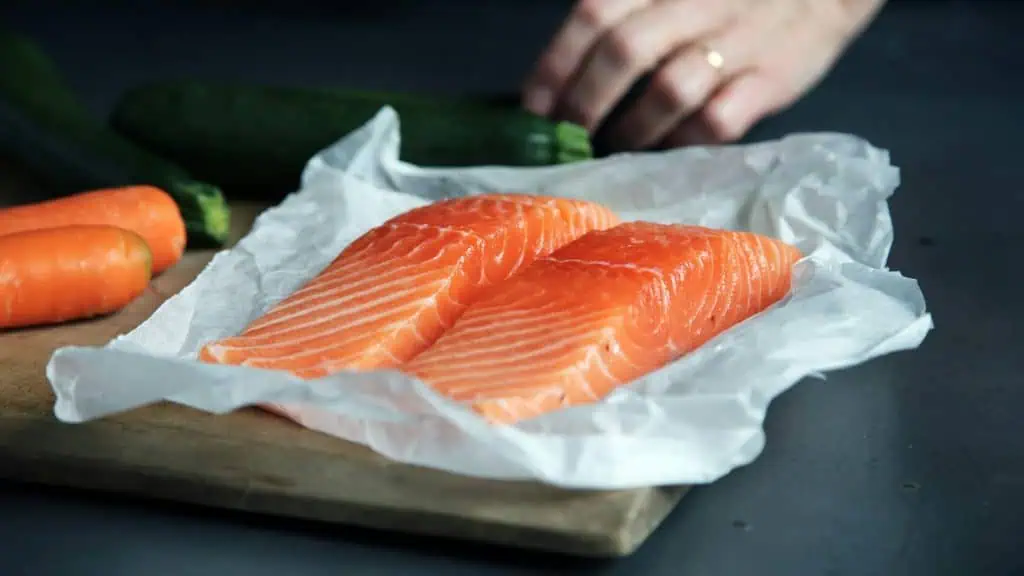
Fatty fish like salmon, mackerel, and sardines are rich in omega-3 fatty acids, known to reduce inflammation and support overall thyroid health. Opt for wild-caught varieties for a better nutritional profile. Perfectly cook salmon by searing it skin-side down in a hot pan to achieve a crispy texture, then finish in the oven to retain moisture. Pair with a squeeze of lemon and a sprinkle of fresh herbs to enhance the natural flavors. Incorporating these fish into your diet not only supports thyroid function but also provides a satisfying, flavorful meal.
Leafy Greens: Iron & Antioxidants
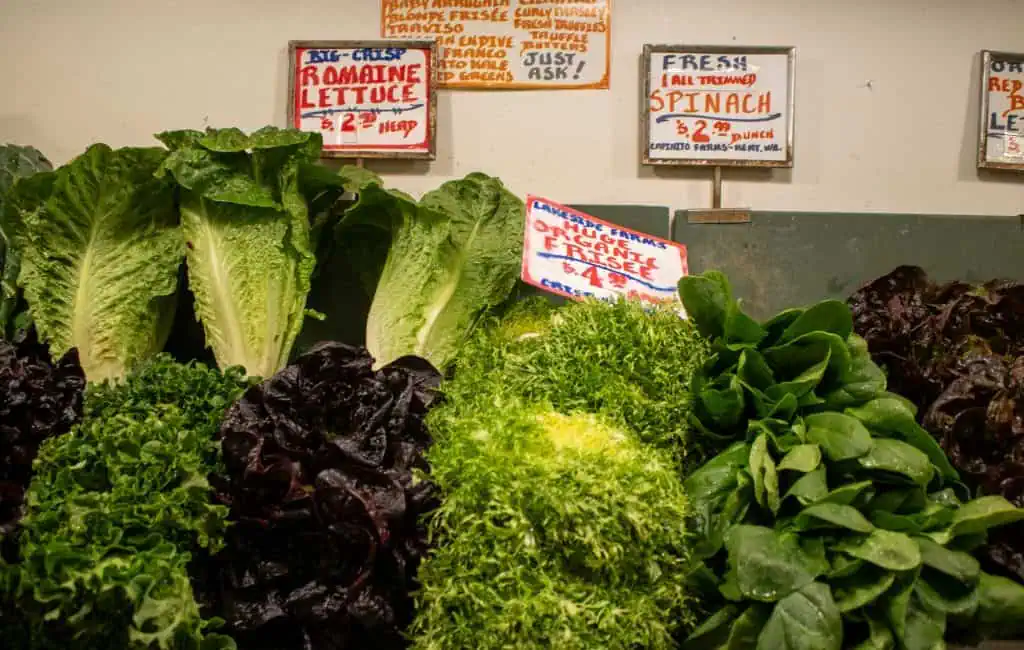
Leafy greens such as spinach and kale are rich in iron and antioxidants, making them valuable for thyroid health. These nutrient-dense vegetables help combat oxidative stress and support overall immune function. Steam or sauté them briefly to preserve their nutritional content. Pair with a vitamin C-rich food, like bell peppers or citrus, to enhance iron absorption. Avoid consuming them in raw, excessive amounts if you're concerned about goitrogens, which can interfere with thyroid hormone production in sensitive individuals.
Pumpkin Seeds: Zinc-Rich Crunch

Pumpkin seeds are an excellent source of zinc, a mineral crucial for thyroid function and hormone regulation. They offer a satisfying crunch and can be easily incorporated into various dishes. Sprinkle them over salads or use as a topping for soups and oatmeal. For enhanced flavor and nutrient absorption, consider roasting the seeds lightly. Keep serving portions moderate to maximize benefits without overloading on calories or sodium if pre-salted varieties are used.
Berries: Antioxidant Protection
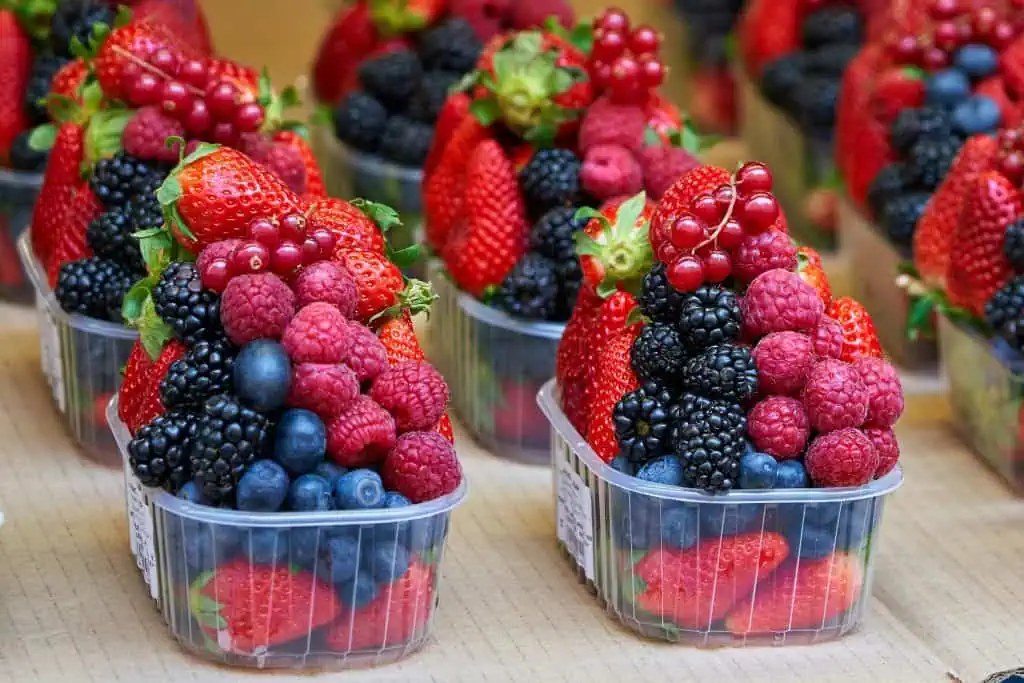
Berries, including blueberries and strawberries, are packed with antioxidants that help protect the thyroid gland from oxidative damage. Their natural sweetness and vibrant colors enhance any dish. Add them to breakfast bowls, smoothies, or enjoy them on their own as a nutritious snack. Frozen berries are a convenient option that retains nutritional value and can be easily blended into a variety of meals year-round. Remember to rinse fresh berries thoroughly to remove any pesticide residue.
Greek Yogurt: Probiotics & Iodine

Greek yogurt is a rich source of probiotics and iodine, important for thyroid function. Its creamy texture and mildly tangy flavor make it versatile in both sweet and savory applications. Consider using it as a base for smoothies or a topping for fruit bowls. Select unsweetened varieties to control sugar intake and combine with honey or fresh fruit for natural sweetness if desired. Consuming Greek yogurt regularly can support gut health, which is vital for nutrient absorption and hormonal balance.
Lean Meats & Legumes: Zinc & Protein
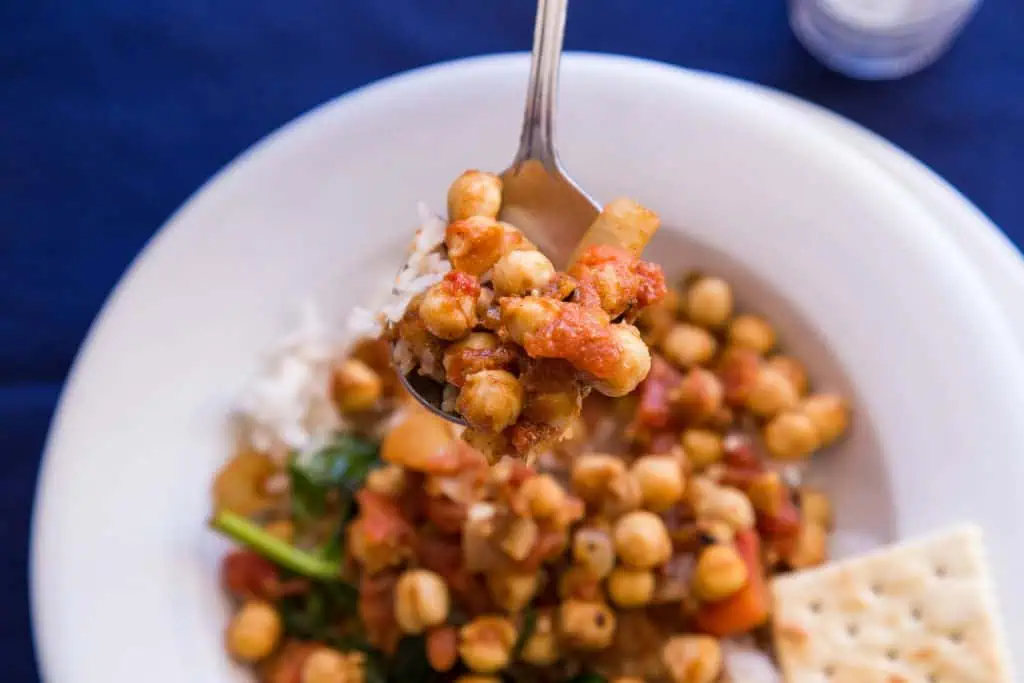
Lean meats like chicken and turkey, along with legumes such as lentils and chickpeas, provide essential zinc and high-quality protein. These nutrients are pivotal in supporting thyroid hormone synthesis and overall metabolic health. Opt for grilling or baking meats to preserve nutrients and flavor. Incorporate legumes into stews or salads for a heartier texture and added fiber. Balancing animal and plant-based protein sources can diversify your diet, providing the body with a broad spectrum of nutrients.
Whole Grains: Fiber for Digestion

Incorporating whole grains such as quinoa, brown rice, and oats into your meals can significantly aid digestive health while supporting your thyroid. These grains are high in dietary fiber, fostering smooth digestion and maintaining stable blood sugar levels, factors crucial for optimal metabolic function. When cooking, aim for a slightly chewy texture by following the simmering times closely and using a 2:1 liquid-to-grain ratio. For added flavor, toast the grains briefly before cooking, enhancing their nutty attributes while retaining all their natural nutritional benefits.


