
The Most Nutrient-Dense Vegetables, Ranked by Experts

Discover the top vegetables that nutritionists recommend for their exceptional nutrient density. Incorporating these vegetables into your meals not only enhances flavor but also significantly boosts your intake of essential vitamins and minerals. This guide explores key vegetables, their nutritional benefits, and how to make the most of them in your kitchen.
Watercress: The Unsung Superfood

Watercress ranks impressively high for its rich nutrient profile, packed with vitamins A, C, and K. This peppery green can elevate a salad with its vibrant taste. To maximize its health benefits, pair raw watercress with a simple lemon vinaigrette, which highlights its natural flavor without overpowering it. Use it as a garnish to add a peppery kick to soups and sandwiches as well.
Chinese Cabbage: A Nutritional Powerhouse

Chinese cabbage, also known as Napa cabbage, is a staple in Asian cuisines, prized for its crunchy texture and mild flavor. It provides a wealth of vitamin C and potassium. Stir-fry it quickly with garlic and ginger to preserve its nutrients and maintain a satisfying crunch. Alternatively, use it as a base for kimchi, which can enhance your gut health with probiotics.
Swiss Chard: Vibrant and Vitamin-Rich
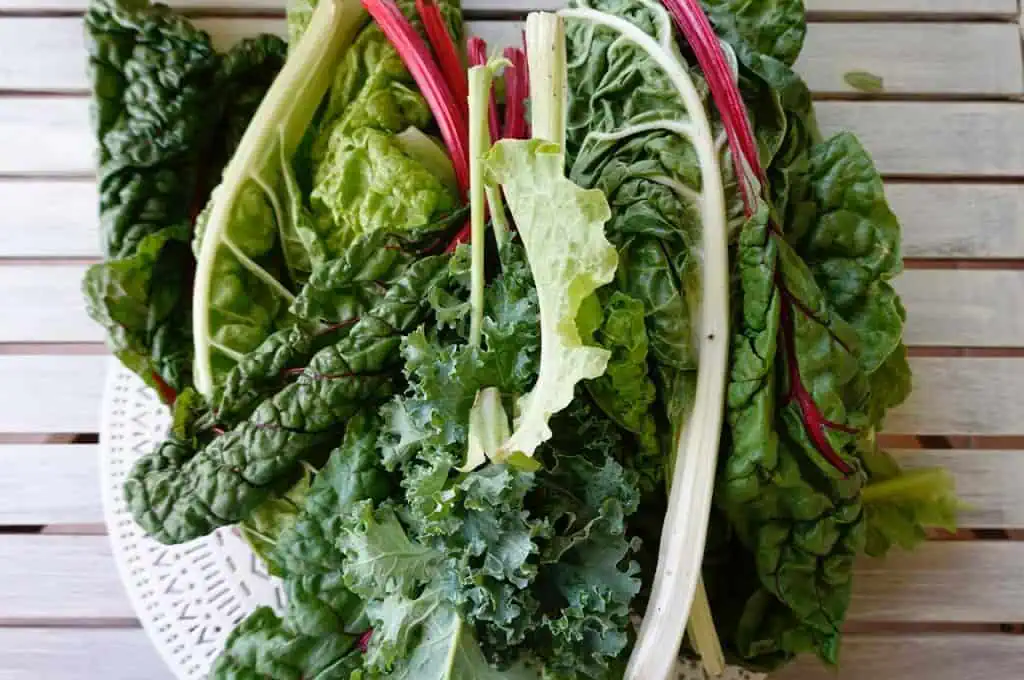
Swiss chard's colorful stalks and leafy greens make it a standout in dishes both visually and nutritionally. Rich in vitamins K, A, and C, it supports bone health and boosts immunity. Sauté the leaves with olive oil, garlic, and a hint of lemon zest to enhance its natural sweetness. Use the stems in vegetable broths for added flavor and nutrients.
Beet Greens: Beyond the Root

Beet greens are often overshadowed by the beetroot, yet they offer a plethora of nutrients, including vitamins A and K, and folate. Their slightly bitter, earthy flavor makes them a robust addition to salads and sautés. Blanch the greens to soften their texture, then sauté with shallots and chili flakes for a nutritious side. Incorporate them into smoothies for an additional nutrient boost.
Spinach: The Classic Choice
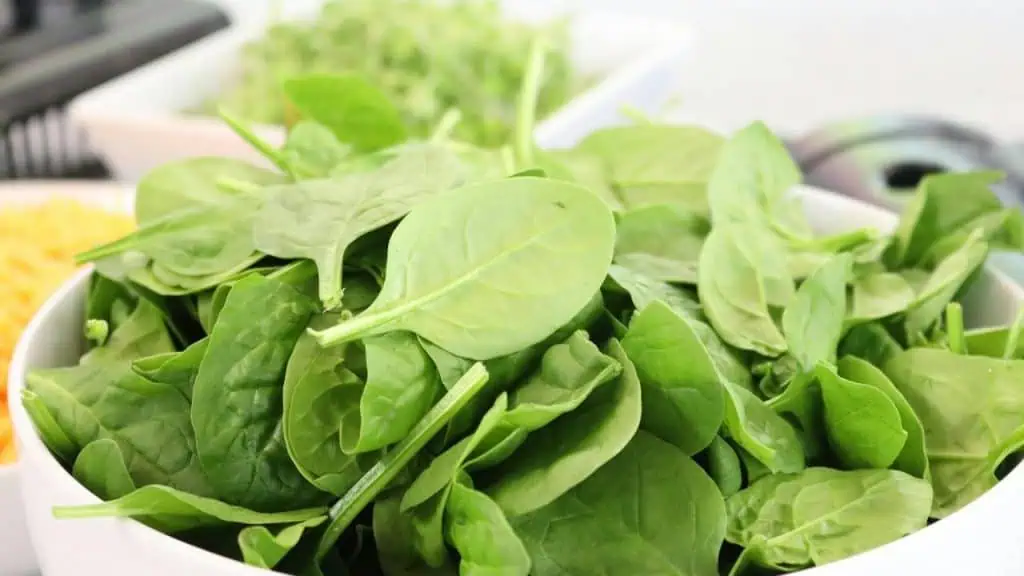
Spinach stands out as a timeless powerhouse of nutrients, providing a rich source of vitamins A, C, K, and essential minerals like iron and calcium. To maximize its nutrient retention, sauté spinach quickly over medium heat with a drizzle of olive oil and a touch of garlic. This gentle cooking method maintains its vibrant color and delicate texture. For a deeper flavor, consider adding a splash of lemon juice or balsamic vinegar just before serving. Fresh or steamed, spinach is versatile enough to complement diverse dishes, from salads to stews.
Kale: The Trendy Nutrient Giant
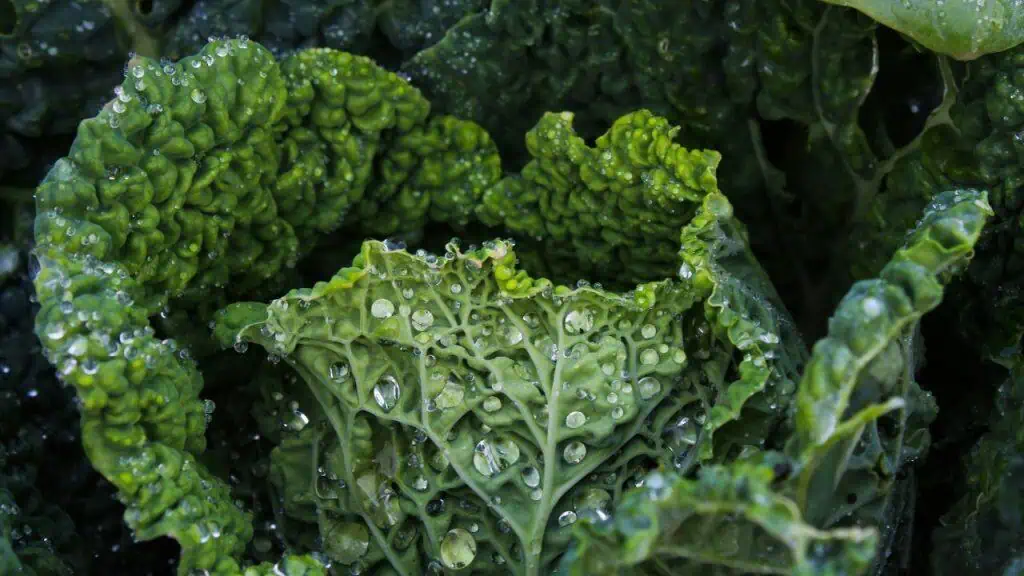
Kale's rise in culinary fame is well-deserved, known for its robust vitamin K content, fiber, and antioxidants. To make kale more palatable, massage the leaves with a bit of olive oil and salt, breaking down its toughness and enhancing flavor. Baking kale into chips with a sprinkle of paprika or nutritional yeast offers a crunchy, savory snack. Alternatively, add kale to smoothies, where its slight bitterness pairs exceptionally well with sweet fruits. Kale’s versatility allows it to seamlessly adapt from raw salads to hearty soups.
Collard Greens: Southern Staple, Global Star

Collard greens are celebrated for their high levels of calcium, vitamin A, and fiber. Traditionally simmered slowly with smoked meats, they offer a rich, comforting depth. For a lighter version, blanch collard leaves and use them as a wrap for fillings like quinoa or roasted vegetables. This preserves their nutrients while offering a fresh texture. To enhance their flavor without overpowering, try adding a hint of ground mustard or apple cider vinegar. Collards' robust leaves work well in hearty dishes that benefit from sustained cooking.
Broccoli: More Than Just a Side Dish

Broccoli's reputation for healthiness is backed by its impressive mix of vitamins C, K, and folate. Steaming broccoli preserves its nutrients better than boiling, retaining a firm texture and bright color. For added flavor, toss steamed florets with lemon zest and parmesan before serving. Roasting broccoli brings out its nutty sweetness, especially when combined with olive oil and a pinch of red pepper flakes. Whether as a feature in stir-fries or as a base for creamy soups, broccoli's adaptability makes it a kitchen essential.
Brussels Sprouts: Tiny but Mighty
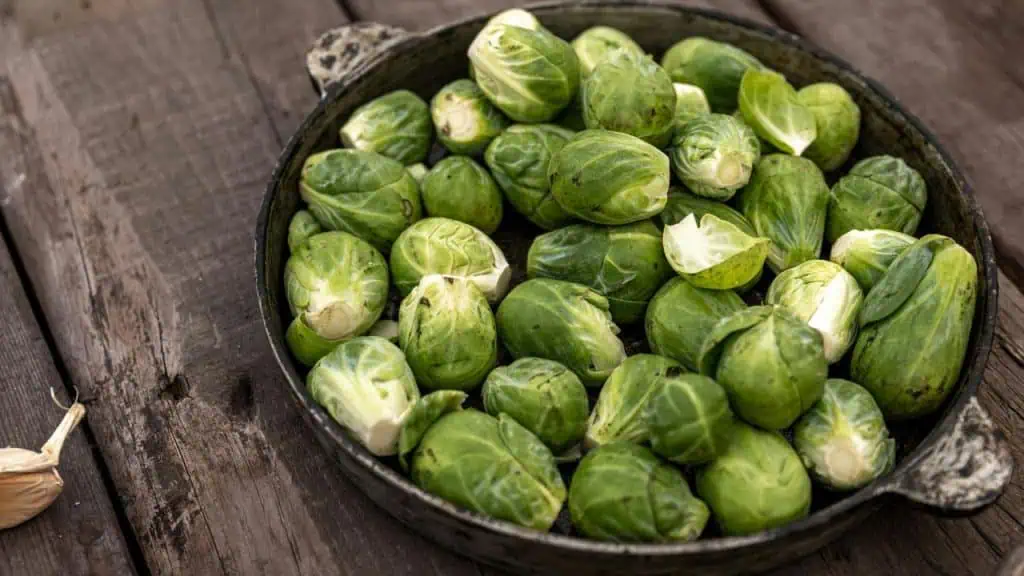
Brussels sprouts pack a nutritional punch, offering ample vitamin K and antioxidants. Their slightly bitter taste mellows with proper cooking techniques. Halve them, then roast at high heat with olive oil and a sprinkle of salt for caramelized, crispy edges. To enhance their flavor, incorporate sweet elements like balsamic reduction or maple glaze. If boiling, a quick blanch retains their vibrant green and subtle crunch. Brussels sprouts can transform into a standout side dish or a flavorful addition to grain bowls and salads.
Sweet Potatoes: The Colorful Vitamin King

Sweet potatoes stand out with their rich orange flesh, boasting an impressive array of vitamins, particularly Vitamin A in the form of beta-carotene. When preparing sweet potatoes, opt for roasting to concentrate their natural sugars, enhancing their sweet, earthy flavor. Peel and cube them uniformly to ensure even cooking. A light drizzle of olive oil and a sprinkle of salt and pepper elevate their taste, while high oven heat caramelizes the edges. Consider pairing with a dash of cinnamon or cumin for a flavor twist. Their versatility allows them to shine in both sweet and savory dishes, from purees to salads.


