
10 Popular Snacks That Are Shrinking Right in Front of Us

Shrinkflation has quietly reshaped the snack aisle without most shoppers noticing at first. Instead of raising prices outright, brands reduce portion sizes, weights, or counts while keeping packaging familiar. The result is subtle disappointment: bags feel lighter, servings disappear faster, and value erodes quietly. Snacks are especially vulnerable because they rely on habit and impulse. These popular snacks haven’t vanished, but many are shrinking in ways that change how long they last, how filling they feel, and how much consumers actually get.
Potato Chips

Potato chips are one of America’s most reliable comfort snacks because they’re salty, crunchy, and endlessly snackable. They’re eaten casually by the handful, straight from the bag, making them easy to consume without noticing portions. That habit makes chips especially vulnerable to shrinkflation. While bags look unchanged, many now contain fewer ounces, padded with extra air. Consumers only realize something’s off when the bag empties faster than expected. Because few people check the net weight and chips are often bought on impulse, brands can quietly reduce the quantity while prices remain the same or increase.
Chocolate Bars
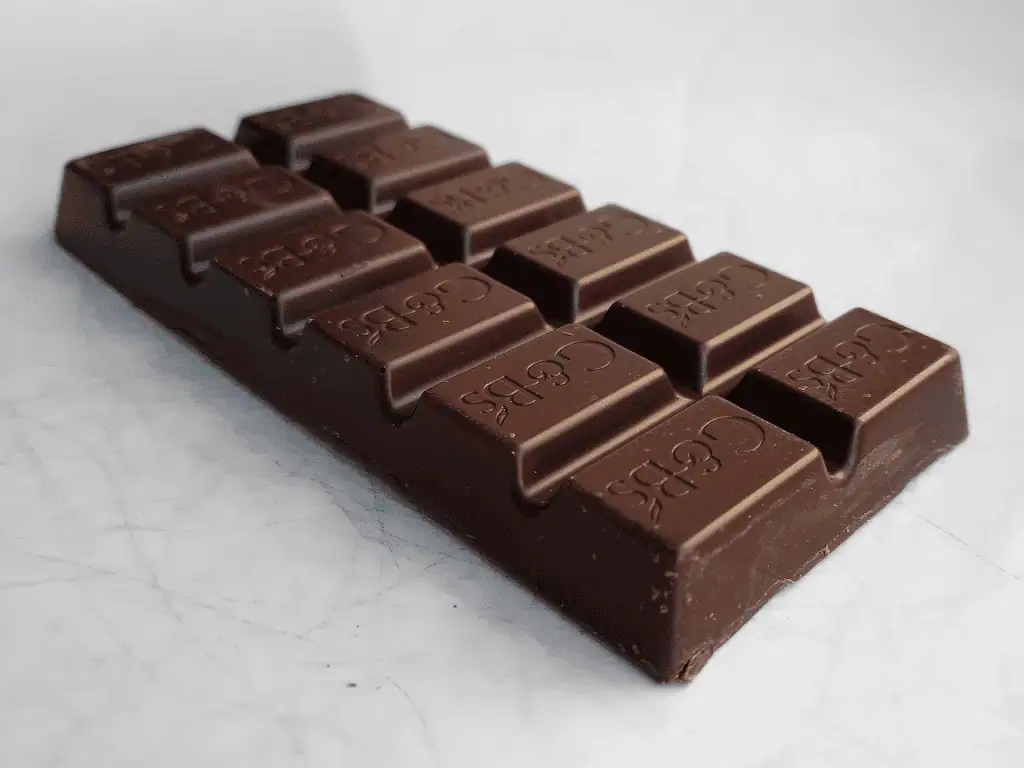
Chocolate bars remain popular because they offer instant gratification in a familiar, affordable form. They’re often bought impulsively at checkout, relying on brand recognition and nostalgia rather than careful inspection. Shrinkflation works well here because bars have gradually become thinner or slightly shorter while wrappers stay the same size. The change is subtle enough that most shoppers don’t notice until the bar feels less satisfying. Since chocolate is associated with indulgence rather than fullness, consumers often blame themselves instead of realizing the product has quietly shrunk.
Crackers
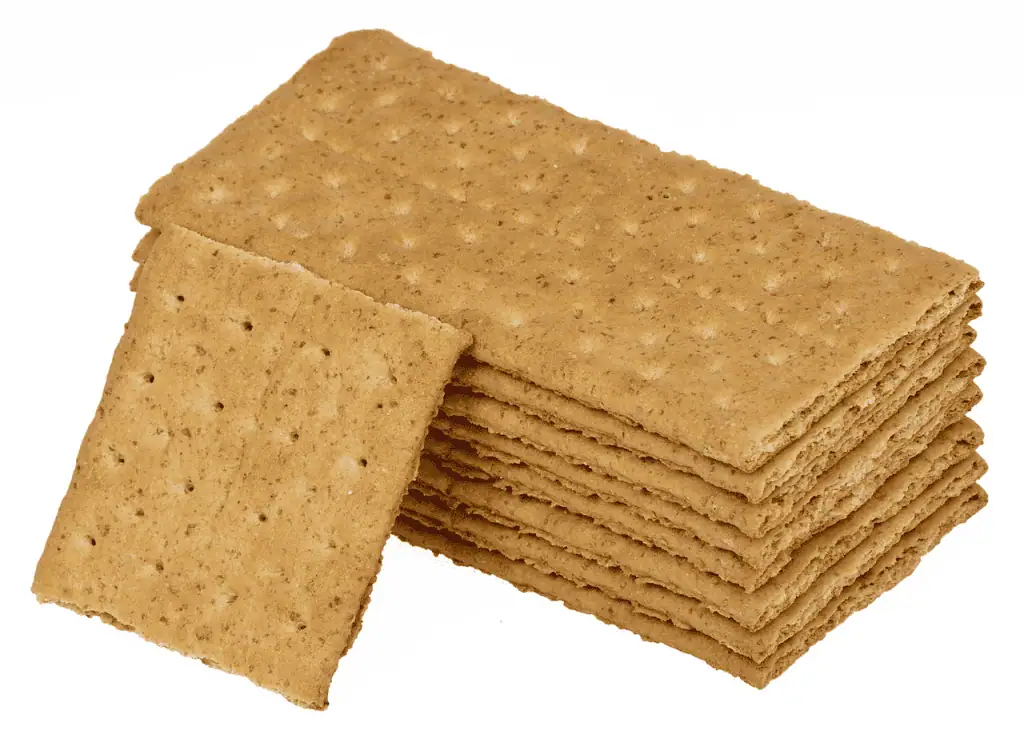
Crackers are a pantry staple because they’re versatile, shelf-stable, and easy to serve for lunches, snacks, and gatherings. Families buy them expecting consistency and longevity. Shrinkflation shows up through fewer sleeves per box or shorter stacks inside packaging that looks unchanged. Because buyers focus on box size, not internal count, crackers start running out faster without immediate suspicion. The disappointment builds gradually, especially during parties or meal prep, where the shortage becomes obvious only when supplies don’t stretch as long as they used to.
Cookies

Cookies are popular because they feel indulgent yet casual, making them easy to justify as everyday treats. Shrinkflation affects them by reducing cookie size, thickness, or count per package. Sandwich and filled cookies are especially affected, as slight size reductions are hard to spot visually. Consumers often assume cookies are disappearing faster because they’re eating more, not because the product has changed. Since few people count cookies between purchases, brands can reduce quantity without triggering immediate backlash, making cookies a quiet shrinkflation success.
Candy Multipacks
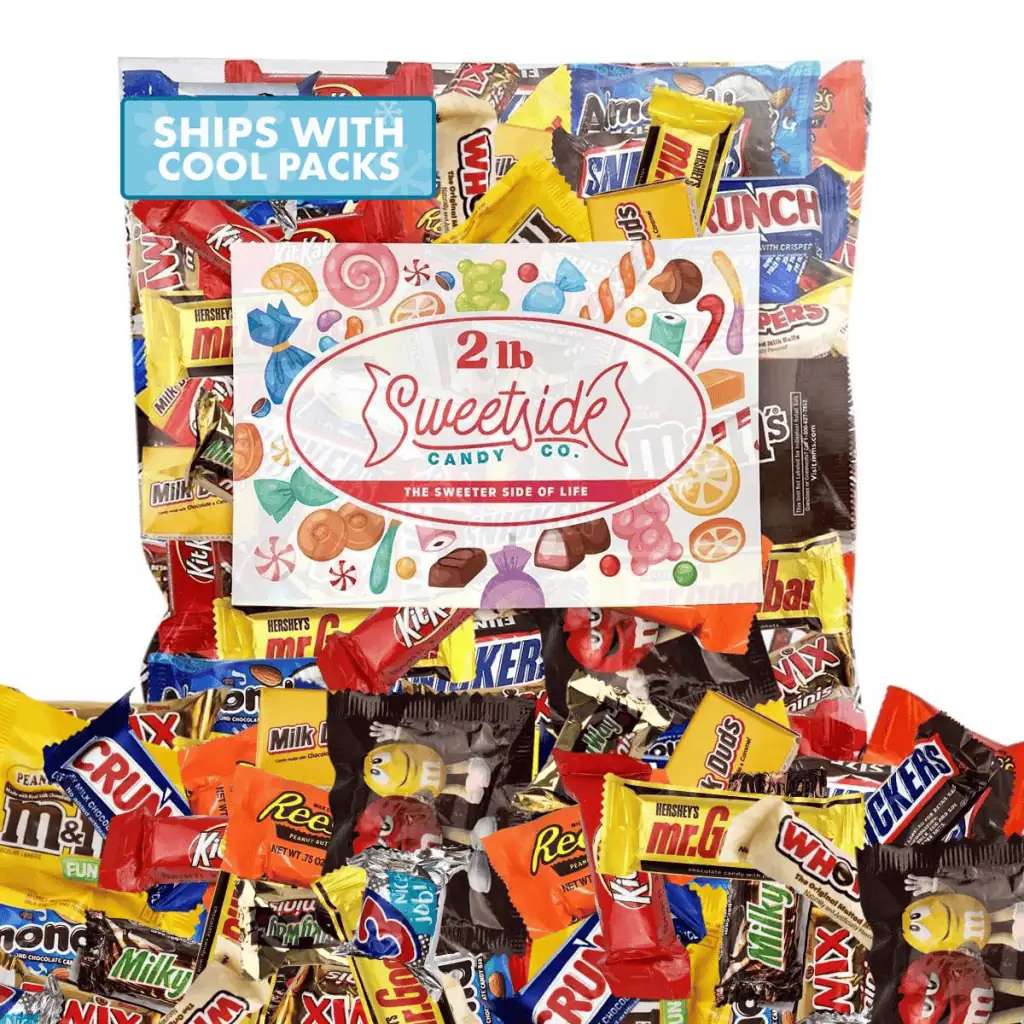
Candy multipacks sell on the promise of abundance, plenty to share, portion, or save for later. That expectation makes shrinkflation particularly noticeable once the bag is opened. Many multipacks now include fewer pieces or smaller individual candies, even though the outer bag looks the same. Parents and group buyers feel the impact first when treats run out sooner than expected. Because multipacks are associated with value, the disconnect between packaging promise and actual quantity creates frustration that consumers often notice only after repeated purchases
Granola Bars
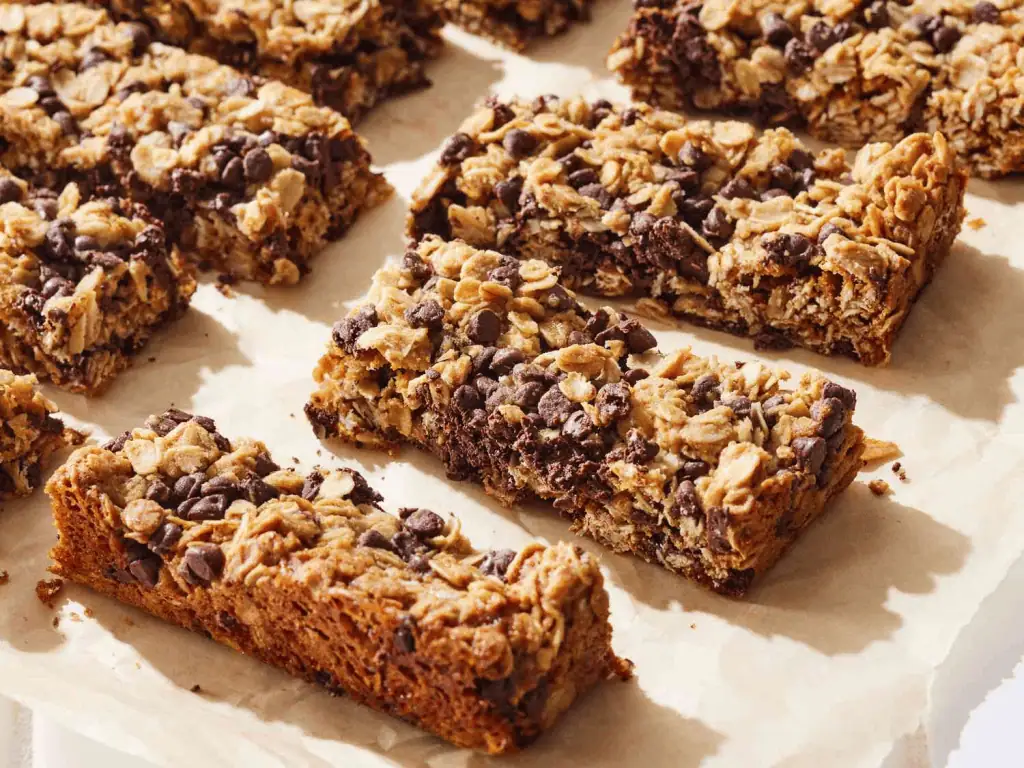
Granola bars became popular by positioning themselves as filling, portable, and health-conscious snacks. Shrinkflation undermines that promise by quietly shortening bar length or reducing weight. While wrappers look familiar, the bars deliver fewer bites, leaving consumers less satisfied. Many people respond by eating a second bar, which accelerates depletion. Because shoppers focus on nutrition labels and ingredients rather than size, shrinkflation slips through unnoticed, changing how filling the snack feels without changing how it’s marketed.
Ice Cream Sandwiches
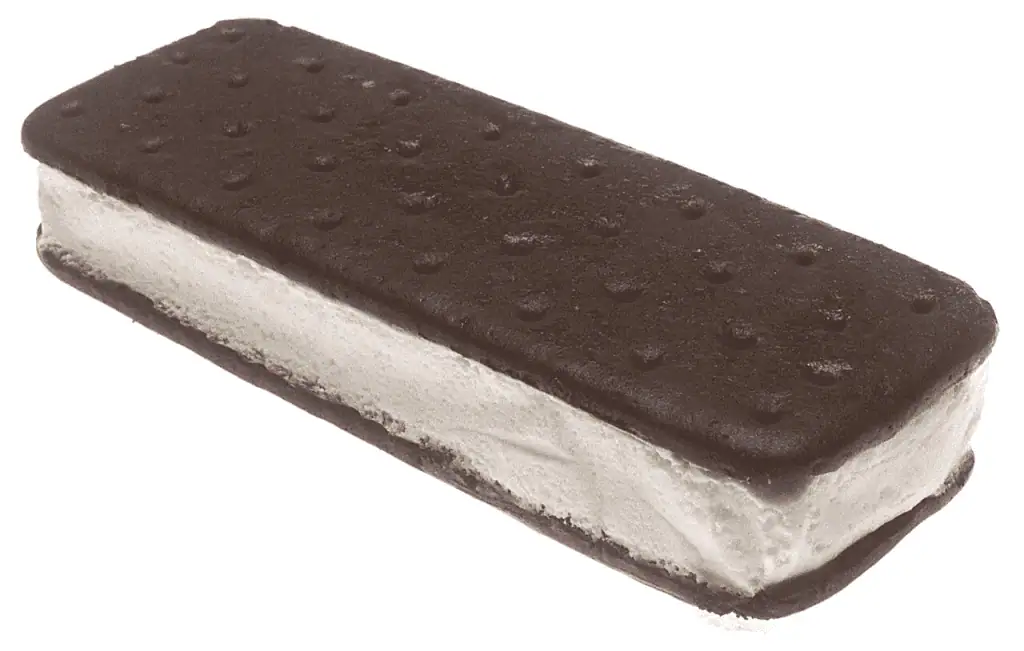
Ice cream sandwiches are nostalgic treats built around balance, the softness of cookies and the thickness of ice cream. Shrinkflation typically targets the ice cream layer, making sandwiches thinner while the cookie stays the same. The change becomes noticeable when the sandwich melts faster or feels less indulgent. Because frozen treats are hard to compare visually until eaten, consumers don’t notice shrinkage at purchase. Brands rely on that delay to reduce portions quietly without altering box size or pricing.
Yogurt Cups
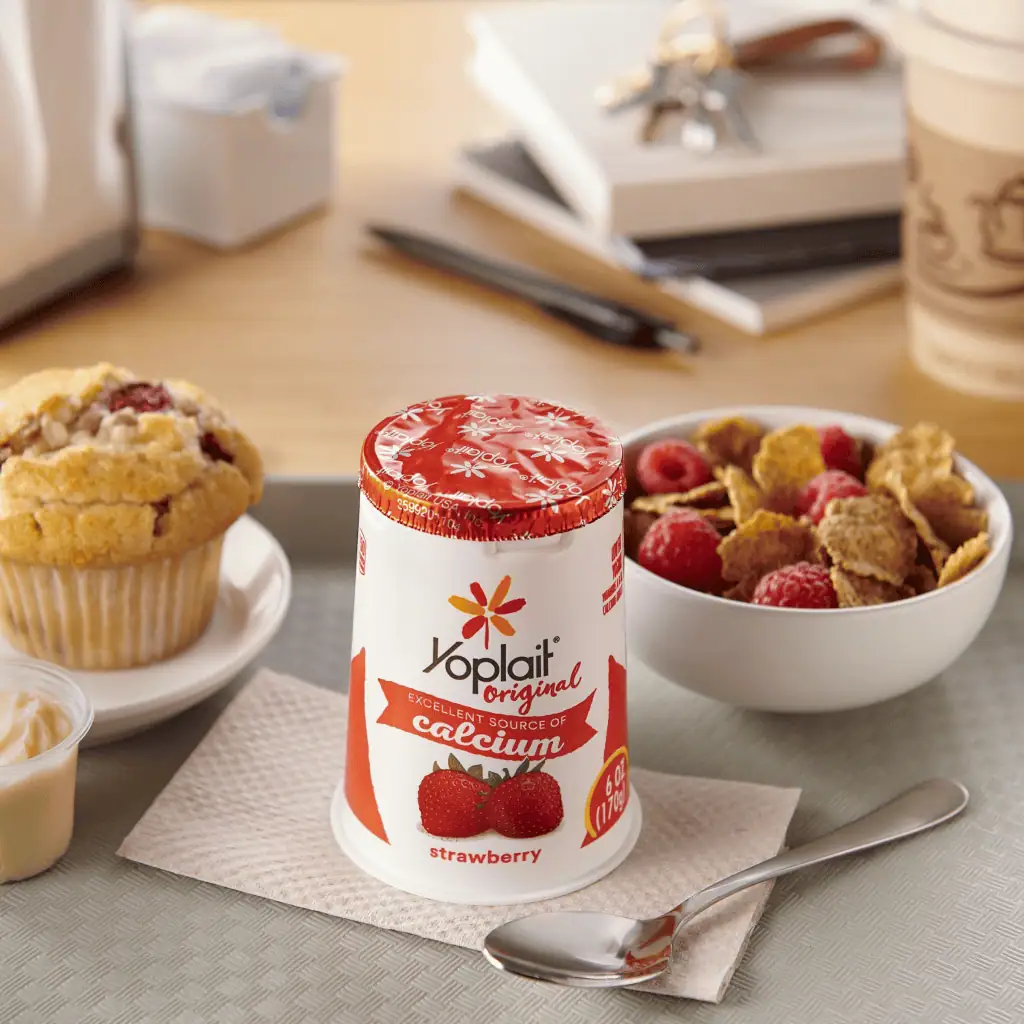
Single-serve yogurt cups are popular because they’re convenient, portion-controlled, and associated with health. Shrinkflation shows up through small volume reductions, often fractions of an ounce that don’t change the cup’s appearance. Daily yogurt eaters notice they feel less full, but the cause isn’t immediately obvious. Because the change is minimal per cup, it blends into routine buying habits. Over time, however, the reduced volume alters satiety and value, especially for consumers who rely on yogurt as a meal component.
Trail Mix
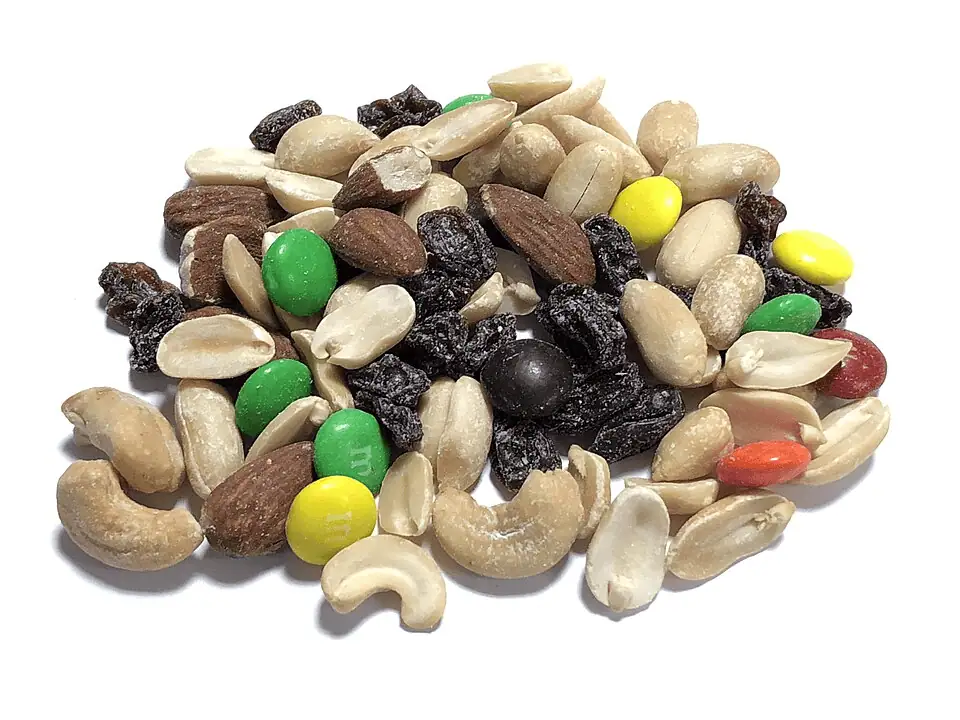
Trail mix appeals because it promises energy, variety, and premium ingredients like nuts and dried fruit. Shrinkflation affects it in two ways: reduced overall weight and shifting ingredient ratios. Bags may contain fewer nuts and more fillers like raisins or cereal pieces. Consumers sense the downgrade in quality before realizing the quantity has changed. Because trail mix already varies by blend, brands can disguise shrinkage behind composition changes, making the loss feel subjective rather than measurable at first.
Microwave Popcorn
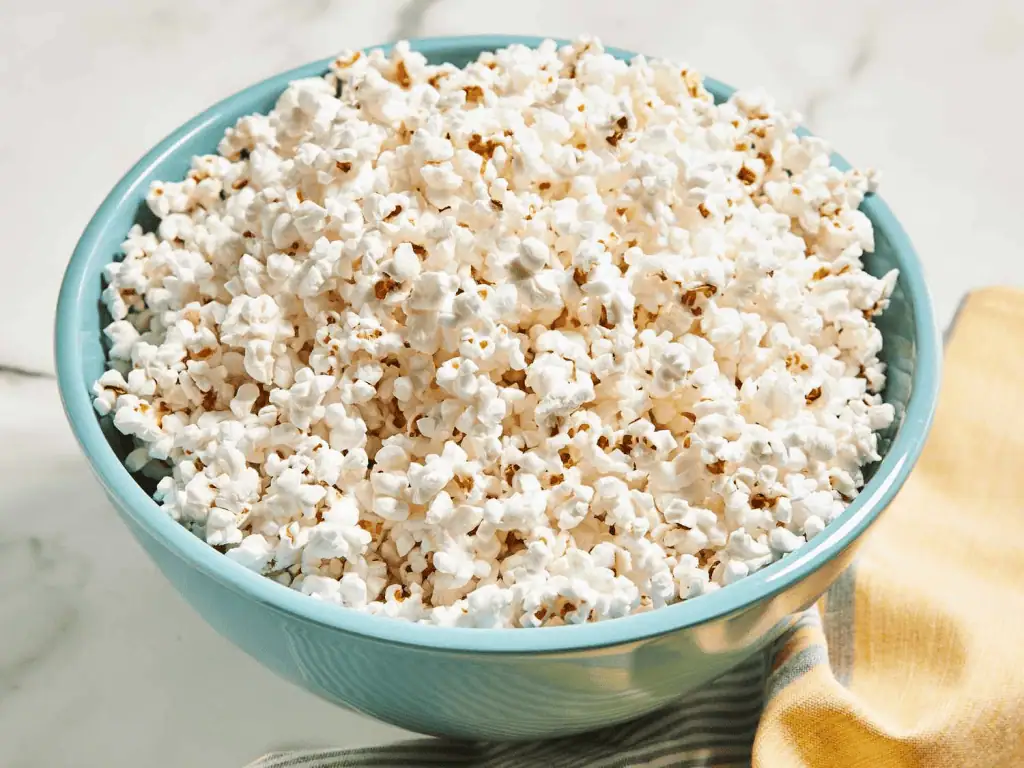
Microwave popcorn is popular because it offers generous portions, shared moments, and a low-cost indulgence. Shrinkflation targets kernel weight, not bag size, resulting in smaller popped volumes even though bags inflate the same. Consumers only notice once bowls seem emptier or refills are needed sooner. Because popcorn relies on air for volume, reduced food content is easy to hide. Movie nights feel less abundant, but the packaging still suggests the same experience, masking the change.


