
The Global Journey of Black Pepper: From Luxury Spice to Table Staple

Black pepper, a once-luxurious commodity, now graces tables worldwide as an everyday essential. Its journey from exotic rarity to staple seasoning is a testament to its intoxicating heat and complex aroma. Understanding its culinary heritage enriches how we approach it in our kitchens today, elevating both simple and sophisticated dishes alike.
Origins in India: Malabar's Precious Export
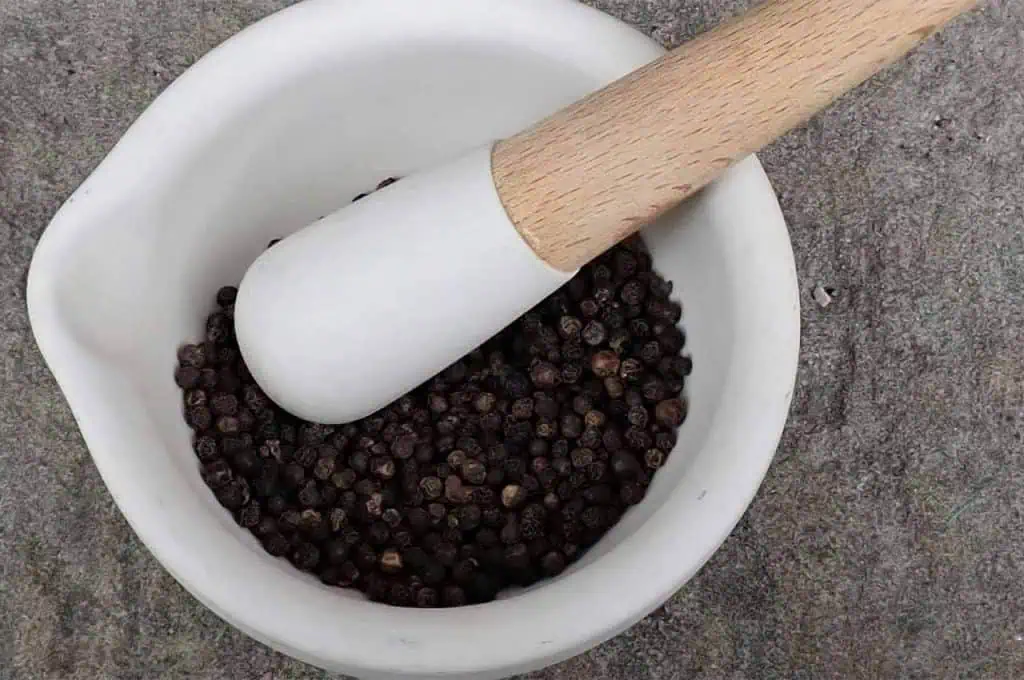
In the lush Malabar coast of India, black pepper was first cultivated and revered for its pungent bite and aromatic qualities. This region’s optimal climate and fertile land made it the perfect birthplace for Piper nigrum. Harvesting the peppercorns at different ripeness stages and drying them in the sun captures the spice’s quintessential pungency and depth, which is still appreciated by cooks globally.
Ancient Trade Routes: Black Gold

Traversing ancient trade routes, black pepper earned the moniker ‘Black Gold' due to its immense value. Merchants transported this sought-after spice across land and sea, from India to Arabian bazaars and Mediterranean shores. The techniques for packing pepper to retain its vibrant flavor were developed out of necessity and are mirrored today in how we store spices properly to maintain their freshness.
Roman Obsession and Medieval Prestige

In Roman cuisine, black pepper was a symbol of opulence, flavoring everything from spiced meats to desserts. This continued during medieval times when it became a currency for trade and a staple of elite pantries. Understanding this legacy, we can appreciate why a pinch of freshly ground pepper enhances hearty stews or bright, fresh greens, bringing history directly to our plates.
Colonial Conquests and Spice Trade Wars

The colonial era sparked intense rivalries over control of the spice markets, with black pepper at the heart of these clashes. Nations vied for dominance, driving expansion and innovation in worldwide logistics. Though its journey was turbulent, it resulted in the global availability of this bold spice. When using a pepper mill today, we grind not just spice, but centuries of cultural significance and transformation.
Pepper's Role in the Age of Exploration

Black pepper, once a prized luxury, played a pivotal role in the Age of Exploration. As European traders ventured to new lands, the demand for this “black gold” drove maritime navigation and global trade routes. Its ability to enhance flavors and preserve foods made it indispensable. Merchants sought out pepper from Malabar, trading with Indian spice markets that dictated early economic power. Understanding this history adds depth to its importance in today’s culinary world, revealing how exploration and trade have shaped global cuisine.
From Apothecary to Kitchen Uses

In ancient times, black pepper found its use not only as a culinary spice but also in apothecaries. Reputed for its medicinal properties, it was integrated into remedies for digestive issues and inflammation. Over time, its culinary applications expanded. Chefs found that its distinctive heat could balance sweet dishes and intensify savory flavors. It acts as a versatile binder, harmonizing components in sauces and marinades. Recognizing its dual heritage enhances a cook's appreciation, offering insight into its transformative journey from medicine to essential spice.
Modern Cultivation: Vietnam, Brazil, and More

Today, Vietnam leads in black pepper production, followed closely by Brazil and India. These regions provide the ideal warm, humid climate necessary for optimal growth. Vietnam’s careful drying techniques preserve the pepper's essential oils, resulting in a robust, pungent aroma. Brazilian farms often utilize traditional methods, producing pepper with subtle, earthy undertones. Home cooks can explore these varietals for nuanced tastes, understanding that the origin of the pepper can influence the complexity it brings to dishes, much like fine wine.
Everyday Staple: From Fine Dining to Home

Black pepper's transition from luxury to a household staple marks its universal appeal. In fine dining, chefs use fresh-ground pepper to finish dishes, enhancing everything from tender steaks to delicate pasta. At home, its adaptability shines, whether sprinkled on morning eggs or integrated into a complex stew. Grinders allow for adjusting coarseness, controlling how pepper disperses flavor. For the home cook, experimenting with freshly cracked versus pre-ground offers a simple yet significant elevation in everyday meals, demonstrating pepper's timeless versatility.


