
10 popular cooking tips science says you should ignore

Many trusted cooking tips may not hold up under scientific scrutiny, impacting your results. Here are ten popular kitchen beliefs science says you could skip. These insights could refine your technique and improve your culinary outcomes. By reassessing these common myths, you might find your cooking becomes more efficient and rewarding. Let each piece of advice become a new tool in your kitchen arsenal.
Rinsing Mushrooms Is Totally Fine

It's often said that rinsing mushrooms makes them waterlogged, but science tells us otherwise. Mushrooms are like little sponges but don't absorb water as rapidly as previously thought. A quick rinse under cold water can effectively remove dirt without compromising texture. Ensure they’re dried afterward with a paper towel or salad spinner to maintain their integrity during cooking, allowing their earthy flavor to shine in your dishes.
Searing Doesn’t Lock In Juices

Contrary to popular belief, searing meat doesn't seal in juices. It does, however, add a rich, caramelized crust that enhances flavor through the Maillard reaction. To retain juiciness, allow your meat to rest after cooking. This rest period allows the internal juices to redistribute evenly. By understanding this, you'll achieve a more flavorful and succulent dish without the misplaced emphasis on searing as a moisture lock.
Oil in Pasta Water Wastes Oil

Adding oil to pasta water is a common tip meant to prevent sticking. However, oil mostly floats on water, offering minimal benefits. To truly prevent sticking, ensure your water is at a rolling boil before adding pasta. Stir occasionally during cooking. This method prevents clumping while reducing waste. Ultimately, any adhesion issues can be more effectively managed post-cooking with simply a bit of sauce.
Room Temp Steaks? Not Always

Bringing steaks to room temperature is often recommended, but it's not always necessary. While it might lead to more even cooking for thicker cuts, smaller and thinner steaks do not benefit much from this extra time. In fact, starting with a colder steak can help achieve a better crust without overcooking the inside. Adjust based on the steak’s cut and desired outcome for a more tailored approach in your preparations.
Salt Beans Early for Flavor
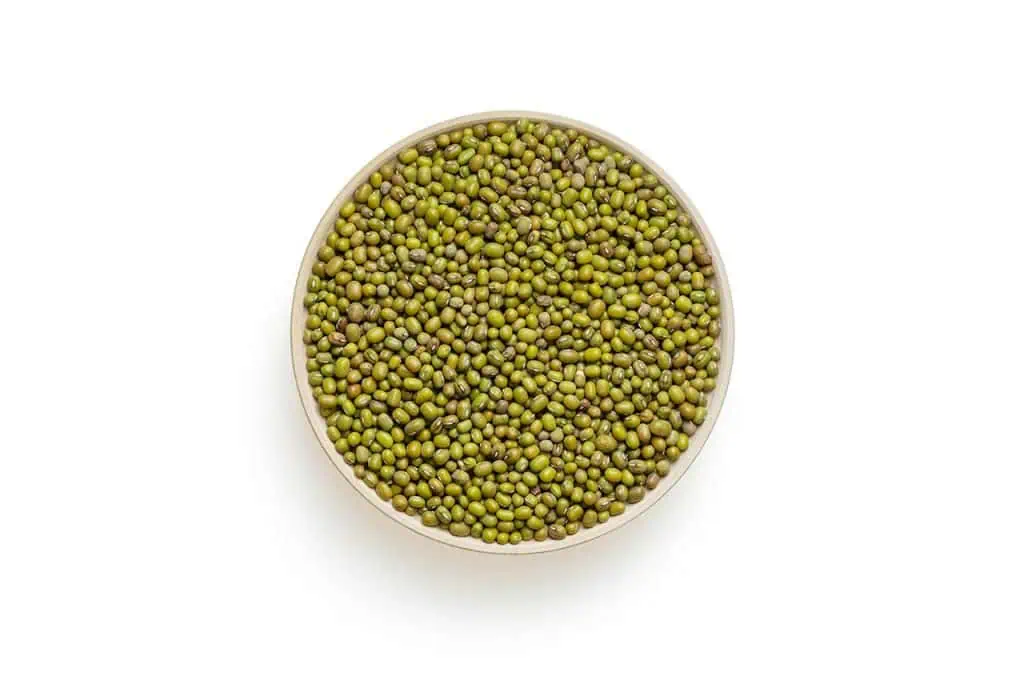
The belief that salting beans early leads to tough skins and uneven cooking is a myth. In reality, adding salt at the beginning enhances flavor, aiding in seasoning the beans throughout. Salt ions interact with the bean’s outer layers, helping to break down its structure efficiently. Combine this with a gentle simmer, ensuring tender results with a rich flavor profile. Start with a teaspoon of salt per pound of beans, adjusting as needed once they near doneness for the perfect taste.
Alcohol Doesn’t Fully Evaporate

It's crucial to understand that alcohol in cooking doesn't completely disappear. While heat reduces alcohol content, some remains even after long periods. Use this knowledge to precisely gauge flavor intensity in dishes like coq au vin or Bolognese, where wine is a key component. To minimize alcohol presence, extend cooking time and consider using a wide, shallow pan to increase surface area, facilitating quicker evaporation without compromising taste.
Frequent Flips for Even Cooking

Contrary to popular belief, flipping meat or vegetables frequently while cooking can lead to better results. Regular turning ensures even heat distribution and more consistent browning. For proteins like steaks or chicken breasts, flipping every 30 seconds can yield a beautifully seared surface while maintaining juicy interior textures. This method also prevents uneven cooking, especially useful for thinner cuts that can easily overcook on one side.
Serve Pasta Immediately

While serving pasta immediately after cooking preserves its al dente texture, allowing a brief rest can improve flavor integration. Let cooked pasta sit in a small amount of sauce for a minute to absorb extra flavor. This resting period allows for better cohesion of sauce and pasta, ensuring each bite is rich with taste. For optimal results, reserve a bit of pasta water to maintain desired consistency.
Dried Herbs Work in Some Dishes
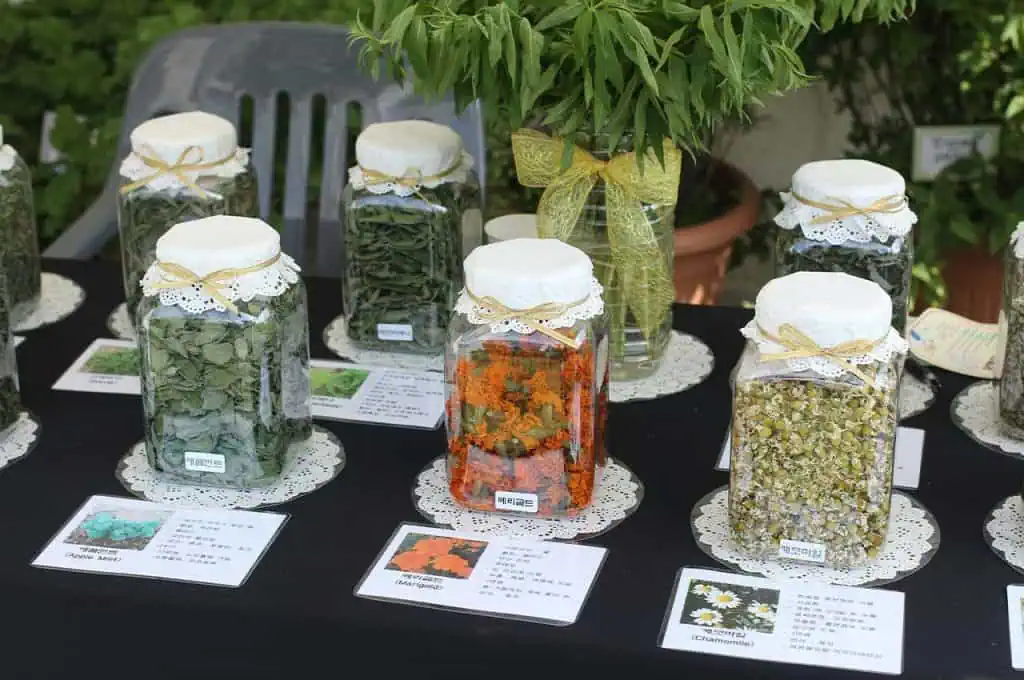
Dried herbs are often undervalued, yet in certain dishes, they provide concentrated flavor that fresh herbs cannot. In slow-cooked meals like stews or roasts, dried varieties slowly release their oils, enhancing depth of flavor over time. Use sparingly at first; dried herbs are potent, and a small amount goes a long way. Crush them between your fingers before adding to release essential oils, ensuring they fully contribute to the dish’s aromatic profile.
Technique Beats Cold Butter

When baking, the conventional wisdom often stresses using cold butter, especially in pastries. However, the secret lies in technique rather than temperature. Science shows that cutting butter into small, uniform pieces ensures even distribution and better texture in your pastry. Work quickly to prevent any melting, maintaining the desired flaky layers. For cookies, allowing butter to soften slightly can improve creaming, enhancing the incorporation of air for a lighter result. Remember, consistent handling leads to superior outcomes, regardless of initial butter temperature.


