
10 Heavenly Teas That Take You Around the World

Tea is more than a beverage. It is history in a cup, a cultural ritual, and a source of comfort that connects people across continents. From the misty hills of Asia to the bustling markets of Africa and the serene gardens of Europe, tea takes countless forms. Each variety carries with it not only a unique flavor but also a story shaped by geography, tradition, and heritage. Exploring the world through tea allows us to travel without moving, sipping our way into the heart of different cultures. Here are ten heavenly teas that capture the essence of countries and regions across the globe.
Green Tea from Japan

Japan is home to some of the most celebrated green teas, known for their vibrant color, grassy aroma, and refreshing taste. Varieties such as sencha and matcha are central to Japanese culture, with tea ceremonies turning the act of drinking into a meditative experience. Matcha, in particular, has become iconic for its deep green hue and smooth, slightly bitter flavor that lingers on the palate. Beyond its taste, Japanese green tea is prized for its antioxidants and calming effect, making it a staple for both daily enjoyment and ceremonial reverence.
Masala Chai from India

Few drinks are as comforting as a steaming cup of Indian masala chai. This black tea base is simmered with milk, sugar, and a blend of spices that can include cardamom, cinnamon, ginger, and cloves. Each family often has its own recipe, turning chai into both a beverage and a tradition. The combination of bold tea with warming spices creates a drink that is both energizing and soothing. Served from street stalls or in family kitchens, masala chai is deeply woven into the fabric of Indian life, representing hospitality and togetherness.
Rooibos from South Africa

In South Africa, rooibos is not just a tea but a national treasure. Naturally caffeine free and rich in antioxidants, rooibos is harvested from the red bush plant that grows only in the Cederberg region. Its flavor is earthy with a natural sweetness that makes it enjoyable on its own or blended with vanilla and fruit. Rooibos has long been valued as a household remedy for soothing the stomach and calming the nerves. Today, it has traveled far beyond Africa, becoming a favorite for those who want a rich and comforting drink without the buzz of caffeine.
Earl Grey from England

Among the many teas beloved in Britain, Earl Grey holds a special place. This blend of black tea scented with the oil of bergamot has a distinctive citrus aroma that is both elegant and refreshing. Traditionally enjoyed with milk or a slice of lemon, Earl Grey has been a staple of English tea culture for centuries. Its balance of brisk black tea with fragrant bergamot makes it versatile, suitable for both afternoon tea gatherings and quiet moments of reflection. Earl Grey reflects the refinement and ritual that define British tea traditions.
Oolong from China

China is considered the birthplace of tea, and among its many varieties, oolong stands out for its complexity. Sitting between green tea and black tea in terms of oxidation, oolong offers a wide range of flavors, from floral and delicate to roasted and nutty. Gongfu tea ceremonies highlight the beauty of oolong, emphasizing small steepings that gradually reveal the tea’s depth. Each sip carries layers of flavor that seem to evolve with every infusion. Oolong embodies the artistry of Chinese tea culture, combining centuries of knowledge with sensory richness.
Mint Tea from Morocco

Moroccan mint tea is as much about hospitality as it is about taste. Prepared with green tea, fresh mint leaves, and sugar, it is poured from a height into small glasses to create a frothy top. The result is a drink that is refreshing, aromatic, and sweet, perfect for cooling the body in a hot climate. Sharing mint tea is a sign of respect and welcome, with the ritual itself often more important than the tea. To sip Moroccan mint tea is to experience the warmth and generosity of its culture.
Yerba Mate from Argentina
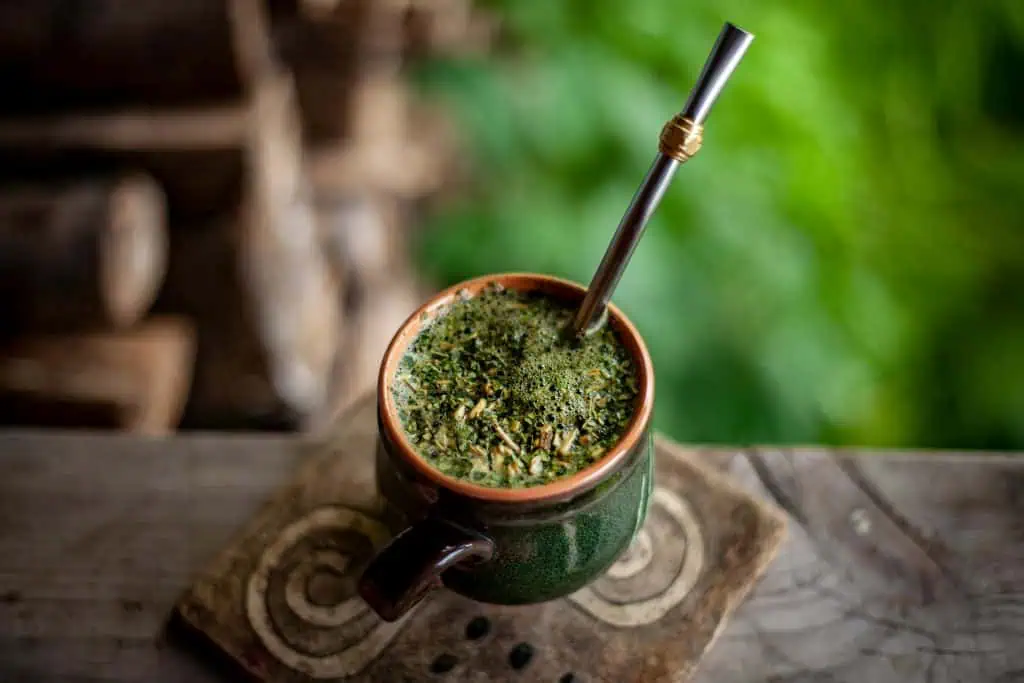
In Argentina, Uruguay, and parts of Paraguay, yerba mate is more than a drink, it is a way of life. Brewed from the dried leaves of the holly plant, mate is traditionally shared among friends from a hollow gourd with a metal straw. Its flavor is strong, slightly bitter, and invigorating, with a caffeine kick that rivals coffee. The social ritual of passing the mate gourd reflects community and connection, making this tea an important cultural symbol. Drinking mate is not just about flavor but about sharing moments and strengthening bonds.
Chamomile Tea from Egypt

Chamomile has been valued since ancient times, and Egypt remains one of its largest producers. This herbal infusion, made from dried chamomile flowers, has a delicate floral aroma and a calming effect that makes it a popular bedtime drink. Its soothing qualities were recognized even by the ancient Egyptians, who used chamomile for relaxation and healing. A cup of chamomile tea feels like comfort in liquid form, helping to ease tension and promote rest. Its gentle nature explains why it continues to be cherished worldwide.
Hibiscus Tea from the Caribbean

Bright red and tangy, hibiscus tea is a vibrant drink enjoyed throughout the Caribbean and beyond. Known as sorrel in Jamaica, this tea is often brewed with spices like ginger, cloves, and cinnamon, making it both tart and warming. Served chilled, it becomes a refreshing drink under the tropical sun. Hibiscus is also rich in vitamin C and antioxidants, giving it health benefits along with its striking color and bold taste. It is festive, lively, and often associated with celebrations, reflecting the joy and rhythm of the islands.
Butter Tea from Tibet
In the cold mountains of Tibet, butter tea offers comfort and strength. Made by churning tea with yak butter and salt, it has a rich and savory flavor that surprises those unfamiliar with it. The fat from the butter provides warmth and energy in the high-altitude climate, turning tea into a sustaining meal rather than just a drink. Butter tea is traditionally shared during social gatherings and ceremonies, reinforcing its place as a symbol of community and resilience in Tibetan culture.


