
14 Costly Kitchen Habits That Drain Your Wallet

In the kitchen, small habits may seem insignificant but can lead to significant waste and financial drain. Understanding these habits will help you make mindful decisions that preserve both your ingredients and budget. This guide highlights common kitchen practices that often go unnoticed yet cost more than anticipated.
The Leftovers You Waste

Leftovers, when disregarded, contribute to needless waste. Instead of letting them languish in the fridge, transform them into satisfying new meals. For example, repurpose roasted vegetables into a hearty soup or leftover chicken into a flavorful stir-fry. Storing leftovers properly in airtight containers and labeling with dates ensures freshness and maximizes their second life in your meals.
Perishables Bought in Excess

Buying perishables in excess often results in throwing away spoiled food. Shop with a plan, focusing on what you'll genuinely use in a week. Embrace seasonal produce, which tends to be cheaper and fresher. Utilize ingredients in multiple recipes to stay efficient, ensuring that nothing gets forgotten in the crisper drawer. This practice keeps your fridge organized and reduces unnecessary expenses.
Expiry Dates Ignored
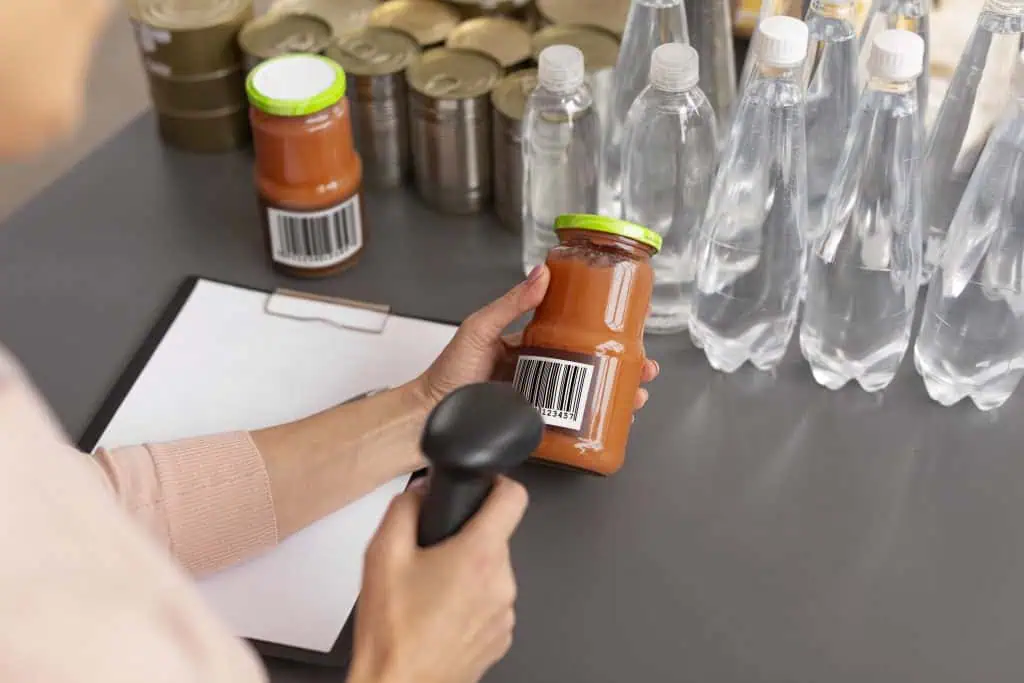
Neglecting expiry dates can lead to waste and potential health risks. Regularly check pantry items, rotating older products to the front. Understand that best-before and use-by dates differ; the former indicates peak quality while the latter involves safety. Make it a habit to consume products nearing expiry first, incorporating them into meal plans before they spoil. This ensures safety and prevents waste.
Produce Going to Waste

Allowing produce to spoil due to improper storage or over-purchasing is a common pitfall. Store fruits and vegetables correctly by separating ethylene producers like apples and bananas from sensitive items. Plan meals around what you have, aiming to finish older produce first. Quick pickling or freezing surplus can also preserve freshness and extend its usability, preventing unnecessary waste.
Excessive Electricity Use

Efficient appliance use can significantly lower your kitchen costs. Utilize lids on pots to retain heat, reducing cooking time and energy consumption. Consider turning off the oven a few minutes early; residual heat often completes the cooking process. For smaller meals, use a toaster oven or microwave instead of a conventional oven to save power. Regular maintenance, like cleaning the oven and refrigerator coils, ensures optimal performance and minimizes unnecessary energy use.
Cooking Without a Plan

Without a meal plan, impulsive decisions can lead to wasted ingredients and higher expenses. Start by creating a weekly menu and stick to a shopping list to avoid unnecessary purchases. Use up ingredients based on their shelf life to prevent spoilage. Batch cooking recipes like soups and stews can utilize leftovers creatively. An organized approach to meals helps avoid the temptation of takeout and streamlines grocery spending.
Pre-Cut Produce Pitfalls

Pre-cut vegetables and fruits, though convenient, come at a premium price. Whole produce not only costs less but also lasts longer. Invest in a good chef’s knife and cutting board to efficiently prep your ingredients. Utilize the peel and trim for broths or compost to reduce waste. This hands-on technique enhances flavor and texture while preserving freshness. Learning to prep your produce is a valuable skill that can elevate your culinary repertoire.
Disposable Products Drain

Relying on disposable products like paper towels, plastic wraps, and bags can quickly add up. Opt for reusable options such as cloth towels, silicone baking mats, and glass containers for storage. These alternatives are not only eco-friendly but also durable and economical in the long run. Washing and reusing items reduces the constant need for replacements and keeps your kitchen sustainable and budget-conscious.
Improper Food Storage

Storing food correctly extends its lifespan and preserves quality, cutting down on waste. Keep herbs fresh by wrapping them in a damp paper towel and placing them in a sealed container. Utilize airtight containers for grains and leftovers to prevent spoilage. Ensure that your refrigerator is set at the optimal temperature of 37°F (3°C) to maintain food safety. A vacuum sealer can be a worthwhile investment for preserving bulk purchases.
Unplug Appliances to Save
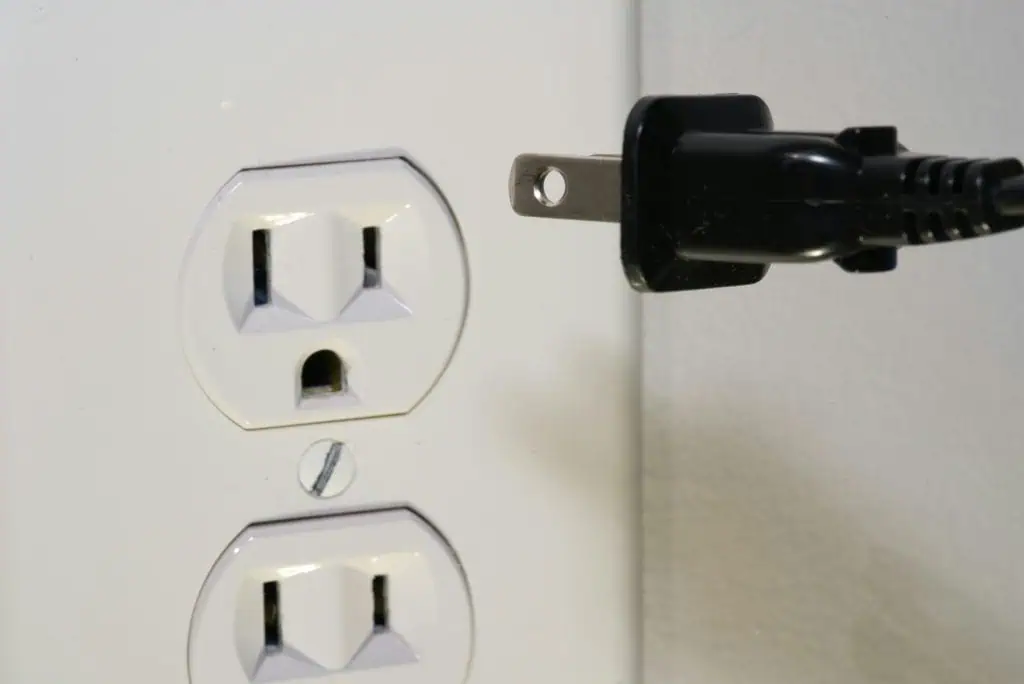
Standby power can quietly inflate your electricity bill. Unplugging appliances when not in use prevents unnecessary energy consumption. For example, kitchen gadgets like toasters and coffee makers draw power even when idle. Use power strips to simplify the task, allowing you to cut off power with the flip of a switch. This habit is an effortless way to manage energy costs, making a noticeable difference without altering your cooking routine.
Paper Towels Overused

Paper towels are convenient but can easily become a costly habit. Instead, opt for reusable kitchen towels. Microfiber cloths are particularly effective for wiping surfaces and absorbing spills. They can replace paper towels in nearly every context, saving money and reducing waste. Keep a stack of clean cloths within reach, ensuring the switch from disposable to reusable is seamless and practical.
Water Running Waste

Letting the water run while washing vegetables or cleaning dishes wastes a significant amount. Fill a basin or bowl with water instead for cleaning produce, and use a sink stopper when hand-washing dishes. These small changes conserve water and reduce utility bills. Be mindful of shutting off taps promptly and utilizing efficient dishwashing methods to maintain this cost-effective practice.
Not Freezing Extra Food
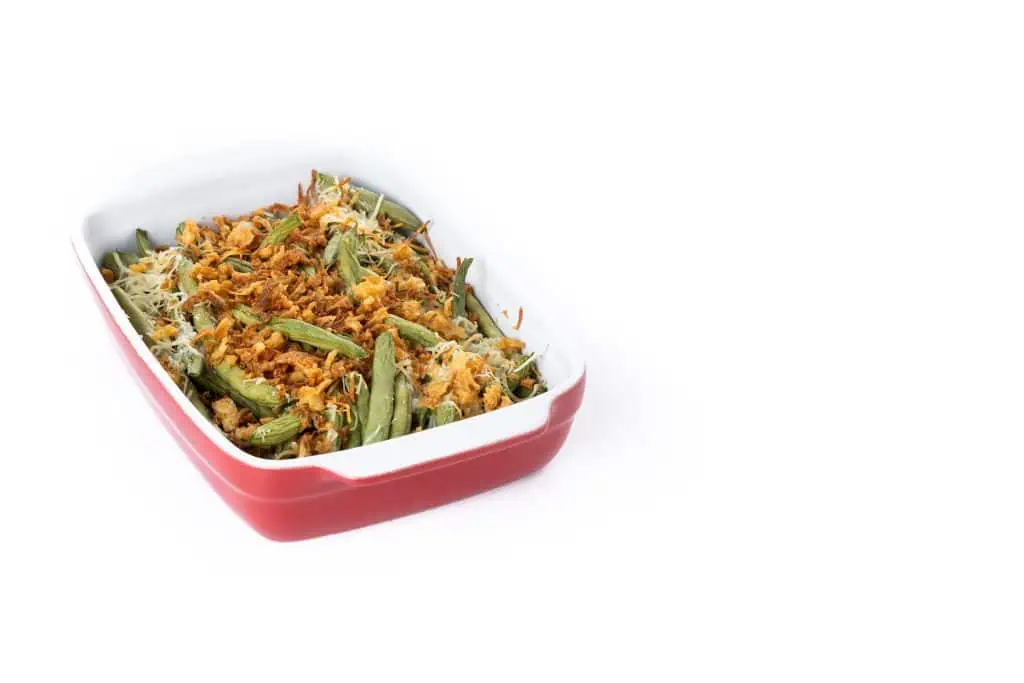
Overlooking the freezer's potential leads to waste and financial loss. Foods like soups, sauces, and cooked grains freeze well, preserving their quality and flavor. Portion out leftovers and store them in airtight containers or freezer bags, labeled with dates. This habit saves money and prevents food spoilage, providing an easy solution for busy days when cooking from scratch isn't feasible.
Ignoring Portion Control

Portion control plays a vital role in minimizing food waste and expenses. Accurately measuring ingredients and planning meals helps avoid over-purchasing. Use smaller plates at meals to naturally influence portion sizes without feeling deprived. By controlling portions, you ensure each ingredient is used effectively, reducing waste and encouraging a mindful approach to both cooking and eating.


