
10 Grocery Store Tricks Shoppers Still Fall For

Grocery shopping can be a meticulous process, yet many of us fall prey to clever marketing strategies that distract from our budgets. Retailers use various tactics to boost sales, often without shoppers even realizing. By understanding these strategies, savvy shoppers can make informed decisions and resist unnecessary spending. Here, we explore some common tricks and how they can affect your grocery bill.
Eye-Level Shelves: Premium Prices

Products placed at eye level are often the most expensive or high-margin items. Retailers capitalize on consumer convenience, knowing many will grab what stands out most prominently. To make the best choice, take a moment to scan higher and lower shelves, where you might find more economical alternatives. This simple shift in focus can lead to significant savings over time.
Sale Signs: Little Savings

While ‘sale' signs can catch your eye, they often don't represent significant discounts. Sometimes, the reduction is minimal or the original price was inflated. Examine the actual price and compare it to other brands or items on your list. Being vigilant about what constitutes a true deal helps ensure you're maximizing your grocery budget without falling for flashy tags.
Endcap Displays: Impulse Buys
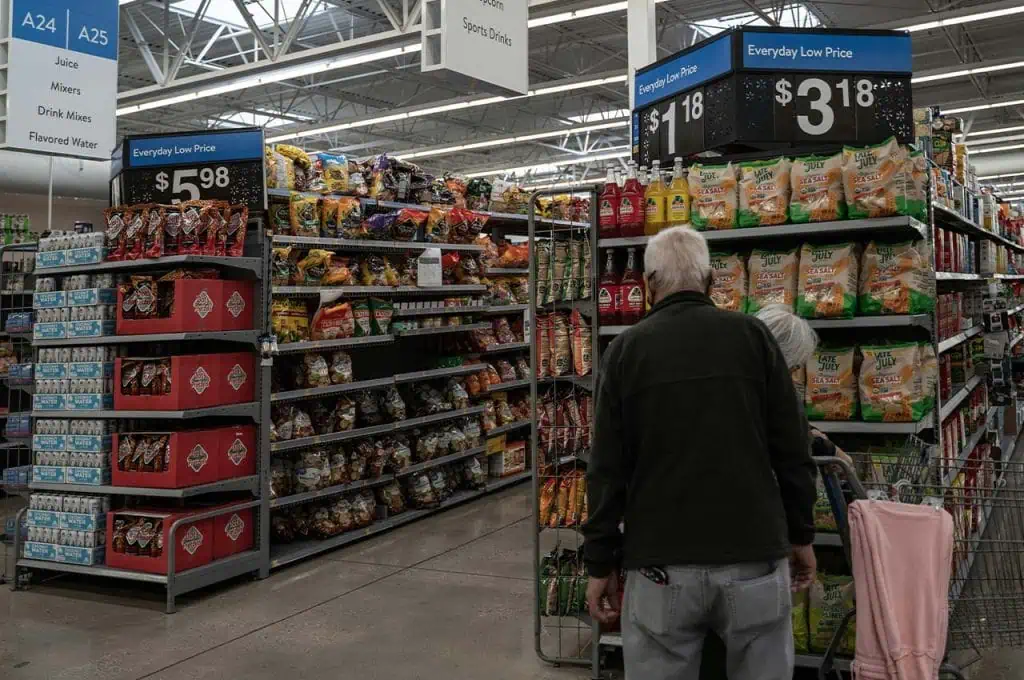
Endcap displays are designed to promote impulse buys, often showcasing seasonal or trending items. These spots are strategically placed to interrupt your path and captivate your attention. While these products might seem tempting, it’s important to evaluate whether they are on your shopping list or genuinely needed. Sticking to your planned purchases helps keep your expenses in check.
Larger Carts, Bigger Bills

The size of your shopping cart can subtly influence how much you buy. Larger carts encourage heavier shopping, as they don't appear as full, psychologically prompting you to add more items. Consider using a smaller cart or basket when possible to avoid over-purchasing. Being mindful of your cart size can aid in preventing unnecessary purchases and help manage your budget more effectively.
Bakery Scents: Tempted Tastebuds

In grocery stores, the enticing aroma of freshly baked bread is often strategically used to seduce shoppers. The smell, often enhanced by bakery ovens placed near the entrance, stimulates hunger and creates an inviting atmosphere. This sensory trigger can lead shoppers to purchase baked goods impulsively, regardless of their original shopping list. To counteract this, maintain focus on your list or consider testing homemade bread recipes that allow control over ingredients and freshness.
Misty Produce: False Freshness

A light mist often coats produce displays, giving the illusion of freshness. This technique can be misleading, as the mist does little more than make vegetables like lettuce and spinach appear dewy and vibrant. It’s crucial to check the produce's firmness and color rather than relying solely on visual cues provided by misting. For the best quality, select local and seasonal produce known for longevity, and avoid items that seem overly wet as moisture can accelerate spoilage.
Loyalty Deals: Brand Bias

Loyalty programs often tempt shoppers with discounts that seem too good to pass up, but these offers can skew your purchasing towards specific brands. While you might save on individual items, it narrows your product exploration and inhibits discovery of potentially better, less expensive options. Analyze these deals critically and compare unit prices to ensure genuine savings. Balance your loyalty program participation with mindful shopping habits to optimize both savings and quality.
Size Shrink, Price Remains
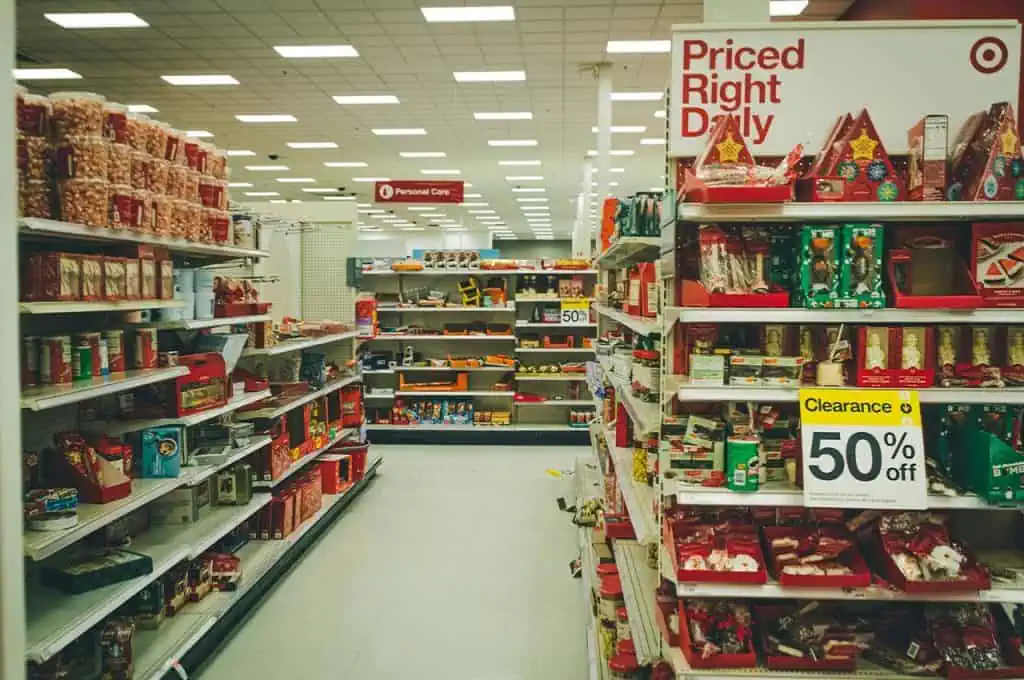
A subtle trick involves shrinking product sizes while keeping prices stable, making it difficult for consumers to notice they're getting less for the same amount of money. Pay close attention to the packaging details like weight or volume to ensure you’re truly getting the best deal. It can be helpful to track the price per unit, rather than per package, to understand the real value. This mindfulness helps avoid falling for marketing tactics that decrease your value per dollar.
Convenience Costs: Pre-Cut Produce
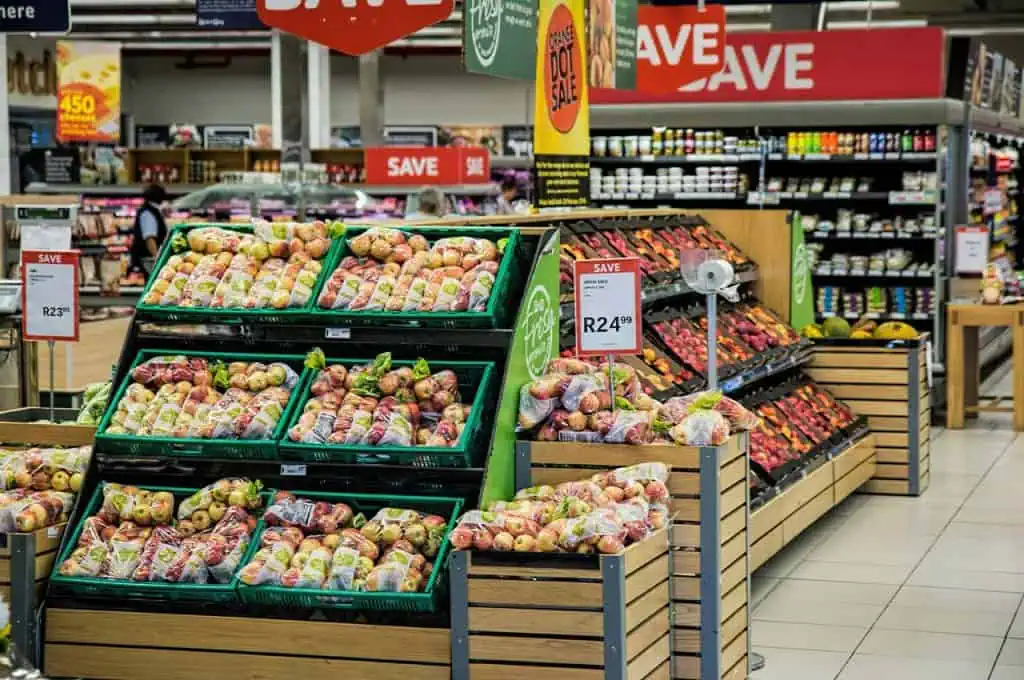
The pre-cut produce section offers tempting convenience at a premium price. While these items save time, the mark-up can be significant compared to whole produce. Moreover, pre-cut fruits and vegetables often lose freshness faster due to increased exposure to air. Enhance both economics and taste by investing in basic knife skills. By purchasing whole produce and cutting it yourself, you gain better control over texture and shelf life, ensuring a fresher, more cost-effective meal preparation.
Ambiance: Music and Lighting Trap
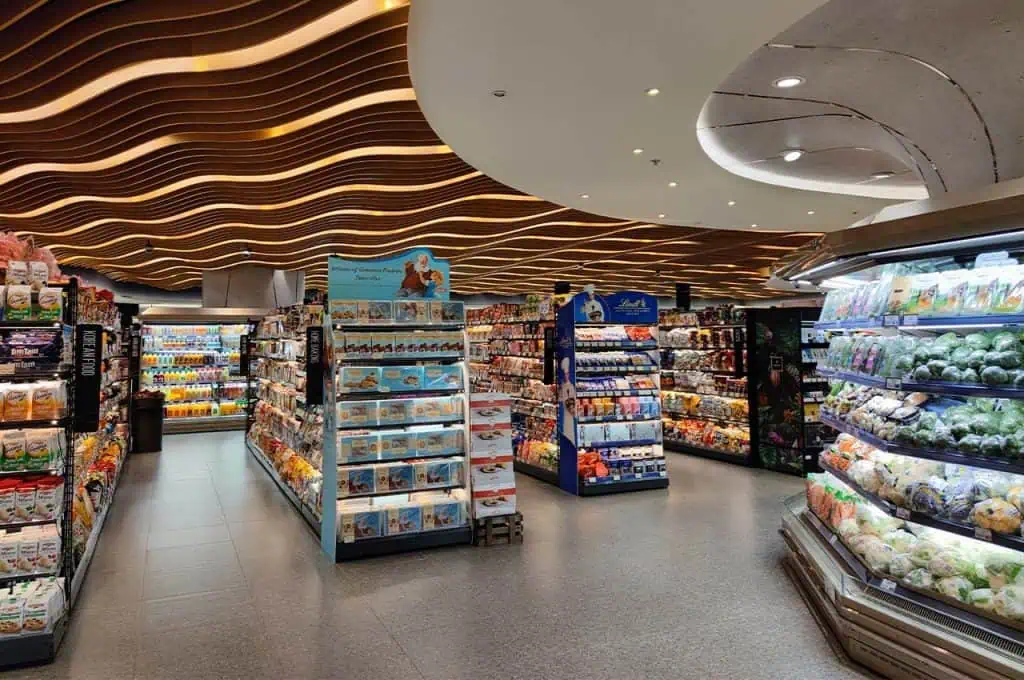
A grocery store's ambiance heavily influences purchasing decisions. Soft music, often classical or easy listening, creates a relaxing atmosphere that encourages shoppers to linger, potentially increasing their likelihood of impulse buys. Meanwhile, strategic lighting highlights specific sections and products, making them more appealing. Bright, focused lighting on produce can make fruits and vegetables appear fresher or more vibrant, enticing customers to fill their carts. Being conscious of these elements can help shoppers stay focused on their list, avoiding unnecessary purchases.


