
10 Baking Ingredients You Shouldn’t Use Past Their Date

Expired baking ingredients can significantly affect the quality and safety of your baked goods. While some ingredients might simply lead to lackluster results, others can pose health risks. Knowing which baking staples lose potency or spoil with time helps ensure that your creations rise, taste, and smell as intended. Here's why you should reconsider using certain ingredients past their prime.
Baking Powder: Cakes Falling Flat?

Baking powder contains both an acid and a base that react to produce carbon dioxide, crucial for leavening. As it ages, humidity can cause these components to react prematurely, leaving your cakes and cookies dense. To test baking powder, mix a teaspoon with hot water; a vigorous fizz indicates it's still active. If not, replace it to maintain your baked goods' lift.
Baking Soda: Texture Troubles Ahead
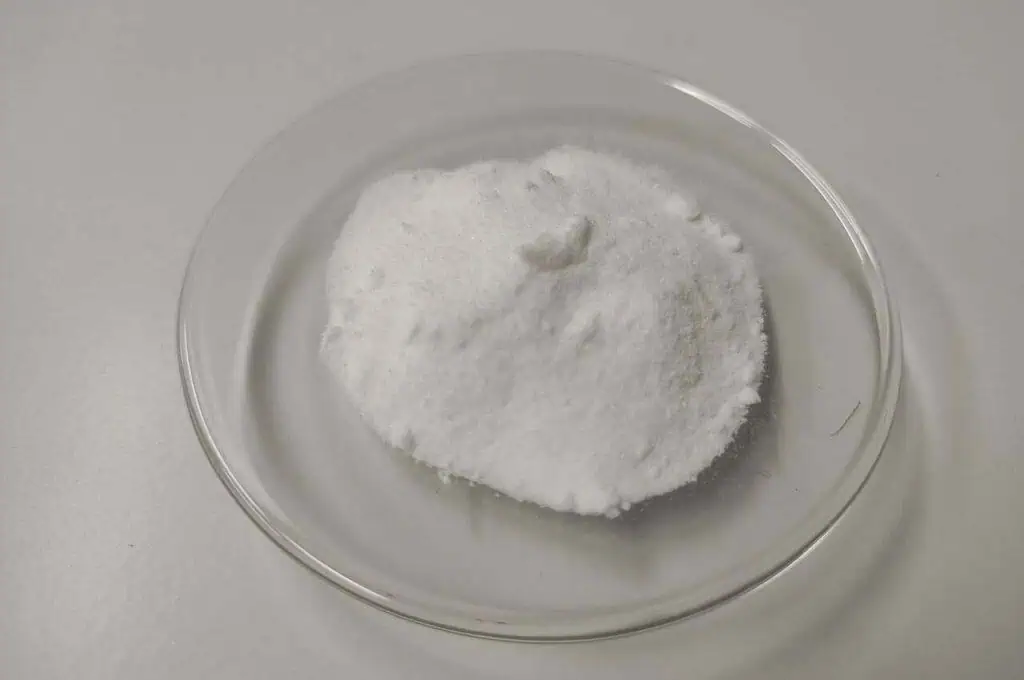
Baking soda is essential for neutralizing acidity and ensuring even browning. Over time, it absorbs moisture and odors, reducing its effectiveness. This can result in uneven textures and muted flavors. To test its potency, combine a quarter-teaspoon with vinegar. Immediate bubbling means it's still viable. Keep it fresh by storing it in a cool, dry place, away from strong-smelling foods.
Active Dry Yeast: No Rise, No Dice

Yeast is the driving force behind bread’s rise, and stale yeast can leave your dough flat and dense. Check yeast by proofing it: dissolve in warm water with a little sugar. If it doesn’t foam vigorously within ten minutes, it’s time to replace it. Store unopened yeast in a cool, dry place, and keep opened packets tightly sealed and refrigerated to extend shelf life.
All-Purpose Flour: Rancid Risks
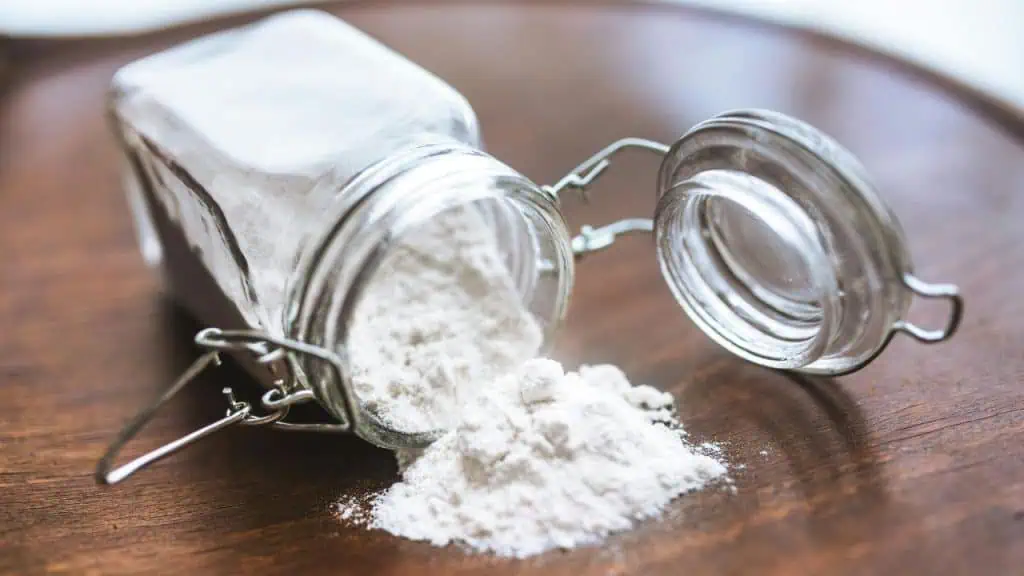
Flour's freshness is vital as it can develop off-flavors and odors over time, particularly if it contains any wholemeal components. Rancid flour can ruin the taste of your doughs and batters. Always store flour in an airtight container in a cool, dry environment to prevent spoilage. Regularly smell and taste a small amount to ensure it's fresh before using.
Whole Wheat Flour: Spoilage Alert
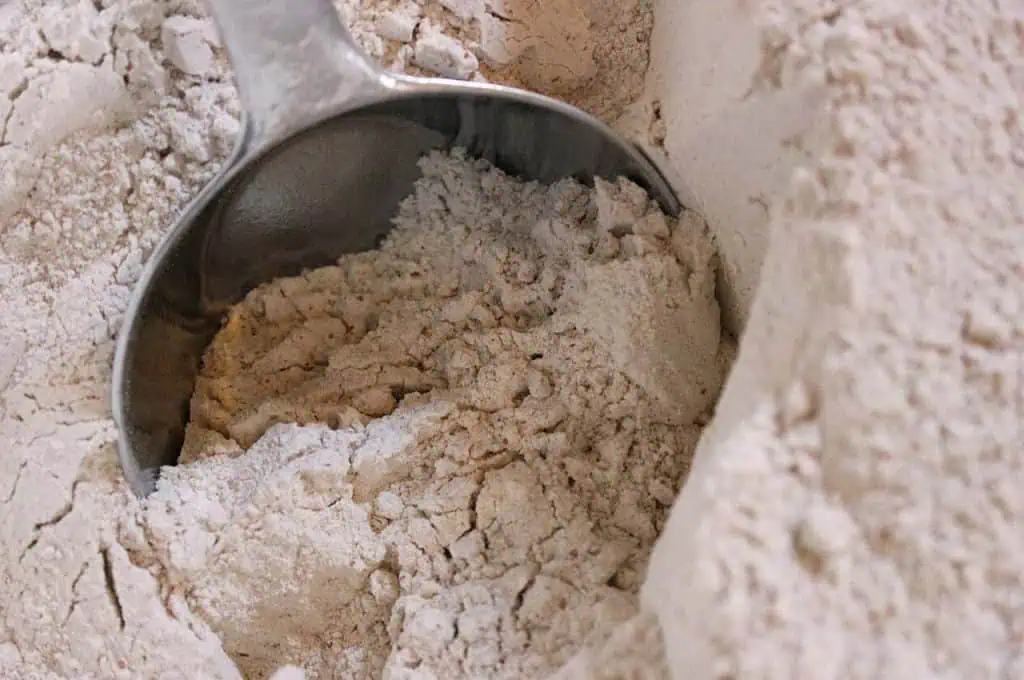
Whole wheat flour contains more natural oils than its refined counterpart, which makes it susceptible to spoilage shortly after its expiration date. The oils can turn rancid, imparting a stale or bitter flavor to baked goods. Store it in airtight containers in a cool, dry area or in the refrigerator to extend its usability. Always perform a smell test before using; any hint of mustiness or oddity means it’s time to discard. Proper storage ensures freshness, maintaining the desired flavor and texture in your baked treats.
Brown Sugar: Moisture Mayhem
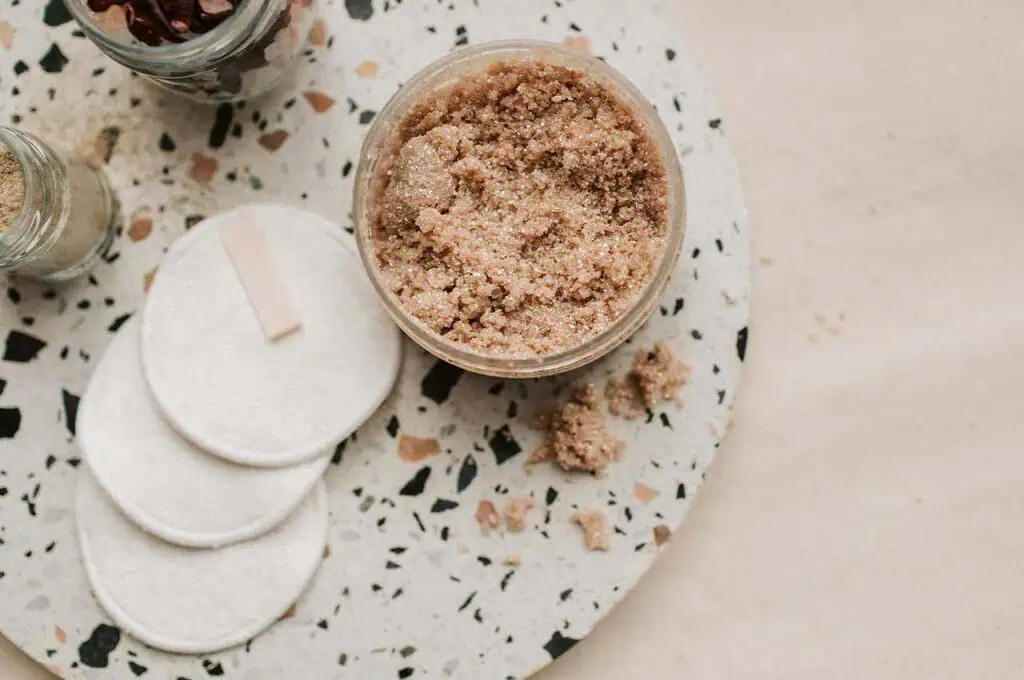
Brown sugar tends to harden when exposed to air due to moisture evaporation, which can be more pronounced past its best-by date. Always keep it in a sealed bag or container to prevent crystallization. If it hardens, a quick fix is to soften it in the microwave with a damp paper towel for a few seconds. However, an aged product may lose its depth of flavor, which impacts the richness of baked goods. Ensuring it's fresh and properly stored will keep your cookies and cakes deliciously moist and flavorful.
Nuts: Beware of Rancidity

Nuts, rich in oils, can quickly go rancid if stored improperly or past their use-by date. Rancid nuts develop a sour smell and taste that can ruin the subtleness of baked goods. Keep them in an airtight container, preferably refrigerated or frozen, to maintain freshness. Sample a nut before using it in recipes; if it tastes off, it's best discarded. Using fresh nuts ensures a pleasant flavor and crunch, essential for pastries and confections.
Chocolate Chips: Deteriorating Delights

Chocolate chips can develop a whitish coating, called bloom, when expired or improperly stored. While mostly harmless, it hints at compromised texture and flavor. Expired chocolate may taste dull, losing its rich cocoa notes. Store in a cool, dry place away from strong odors or fluctuating temperatures to avoid this. Opt for new, well-stored chips to ensure a smooth melt and robust chocolatey taste in your baking, bringing out the best in cookies and treats.
Cream of Tartar: Stability Sacrifice
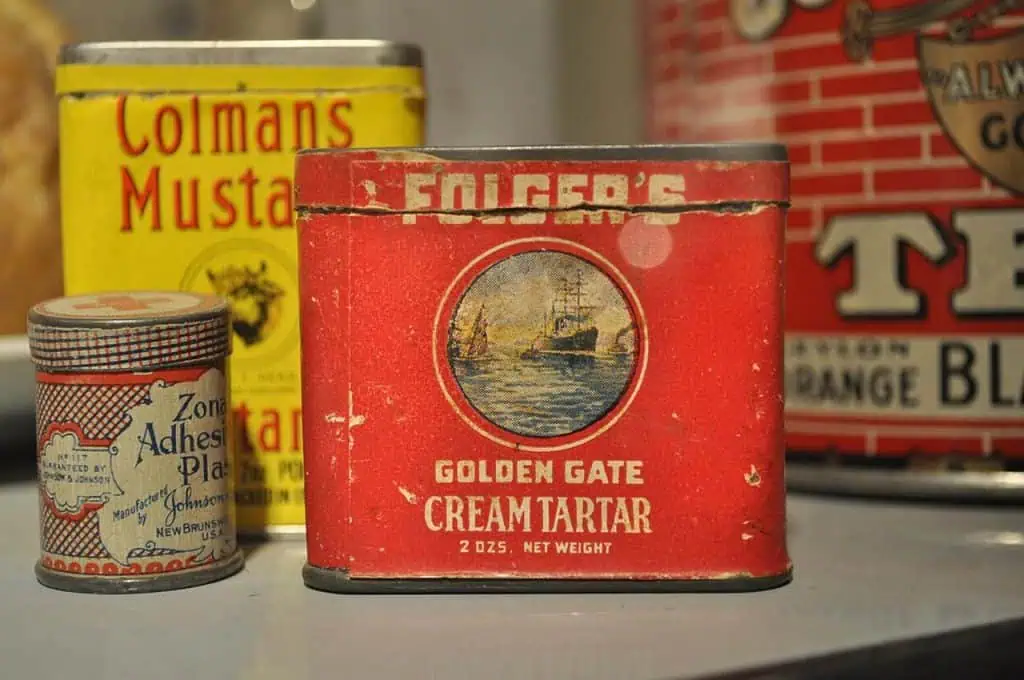
Cream of tartar’s effectiveness as a stabilizing agent diminishes over time. This impacts crucial baking tasks like meringue whipping and syrup crystallization prevention. Test its potency by mixing a small amount with baking soda; if bubbles form, it's still good. However, if there’s no reaction or clumps have formed, it’s time for a replacement. Fresh cream of tartar ensures fluffy peaks and reliable results in your baking endeavors, enhancing the texture and consistency of your recipes.
Cocoa Powder: Fading Flavors
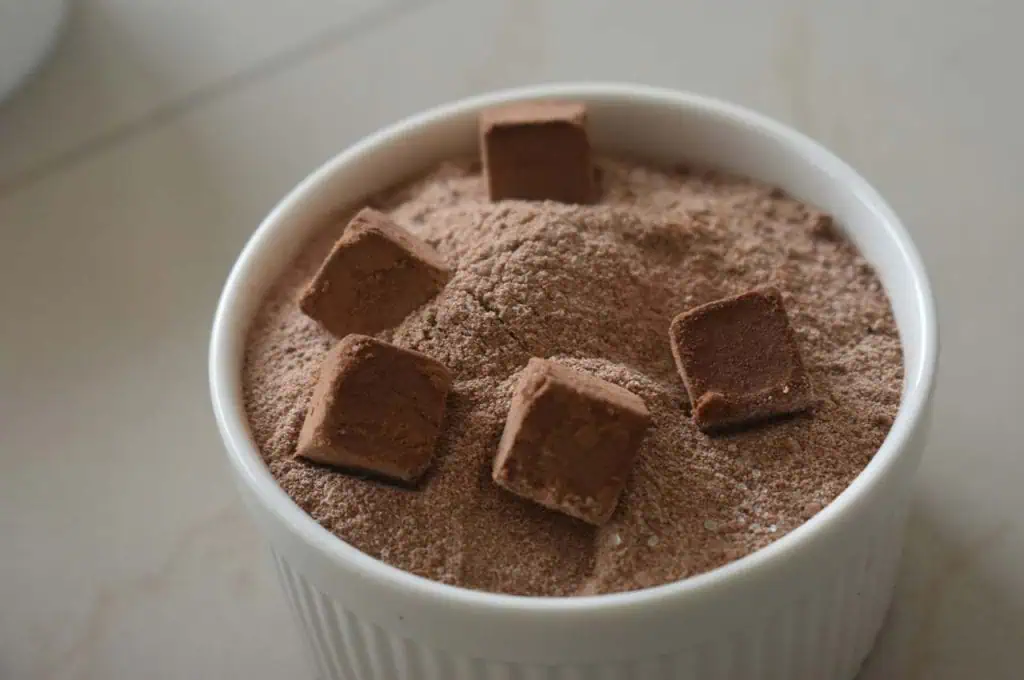
Cocoa powder, a cornerstone of baking, loses its deep, complex flavor as it ages. Over time, exposure to air and light degrades its antioxidants, dulling its rich chocolate essence. To ensure the fullest flavor in your baked goods, inspect the powder’s aroma and color regularly. Fresh cocoa should have a strong, chocolatey scent and a dark, uniform appearance. Store it in a cool, dry place within a tightly sealed container to extend its shelf life. By adhering to these practices, you’ll maintain the desired chocolatey intensity in cookies, cakes, and brownies.


