
10 Foods the World Freely Eats but America Still Bans

Every country has its culinary quirks, but few are as cautious about food regulations as the United States. While much of the world enjoys traditional delicacies and artisanal products, the FDA and USDA maintain strict rules about ingredients, bacteria levels, and additives. The result? Some global favorites are completely off-limits or only available in heavily modified forms. Here are ten foods you can enjoy abroad but can’t legally buy or eat in America.
Kinder Surprise Eggs

Beloved in Europe, Kinder Surprise Eggs are banned in the U.S. because they contain a small toy hidden inside, which violates food-safety laws prohibiting inedible items embedded in food. Americans get Kinder Joy instead, with the toy separated into a second compartment a safer but less magical version of the original.
Haggis

Scotland’s national dish made from sheep’s heart, liver, and lungs mixed with oats and spices, is banned in the U.S. due to the prohibition on importing food containing animal lungs. Despite its cultural significance and long history, the FDA’s stance hasn’t changed, making authentic haggis a forbidden delicacy for Americans.
Casu Marzu

This Sardinian cheese contains live insect larvae that help ferment it to a creamy texture and that’s exactly why it’s banned. U.S. health regulations forbid foods with active insect infestation, no matter how “traditional” the recipe. In Italy, it’s an underground specialty; in America, it’s strictly off-limits.
Horse Meat

While horse meat is eaten legally in countries like Japan, Belgium, and Kazakhstan, it’s banned for sale and consumption in the U.S. The government outlawed horse slaughter for human consumption in 2007, making it both a legal and ethical issue that few dare to challenge.
Fugu (Pufferfish)

In Japan, pufferfish is a prized delicacy but one wrong cut can be deadly. Because its organs contain lethal tetrodotoxin, the U.S. restricts its import and sale to only a few licensed restaurants under strict control. Home preparation is illegal, and most chefs won’t take the risk.
Ackee Fruit

Jamaica’s national fruit is delicious when ripe but poisonous when unripe. The presence of hypoglycin A can cause severe illness, prompting the FDA to ban fresh ackee imports. Canned and approved versions are sold in limited quantities, but the real deal remains out of reach for most Americans.
Foie Gras (in certain states)
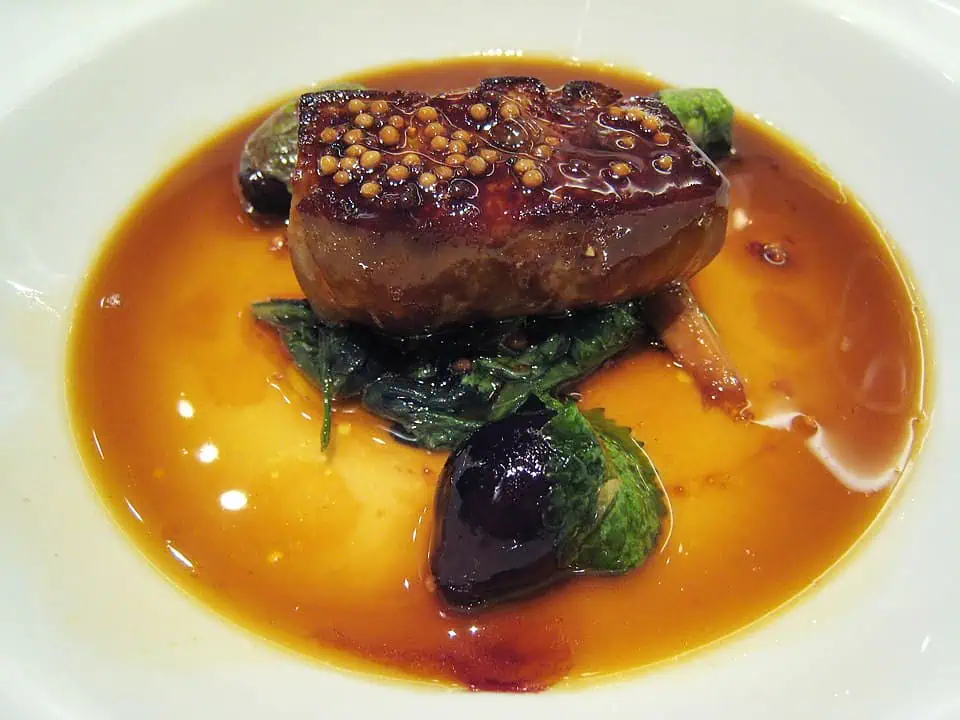
Foie gras, made from the liver of force-fed ducks or geese, is banned in several U.S. states, including California and New York, due to animal-welfare laws. While it’s still available in France and much of Europe, ethical debates have made this luxurious dish one of America’s most controversial bans.
Unpasteurized (Raw) Milk Cheese Under 60 Days
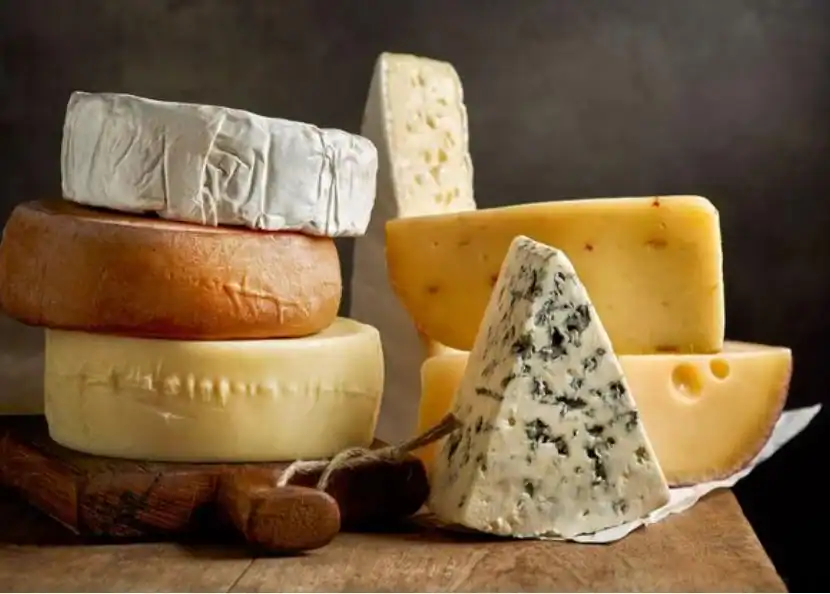
Europeans have long enjoyed raw-milk cheeses like Roquefort and Brie, prized for their complex flavors. In the U.S., any cheese made from unpasteurized milk must be aged at least 60 days to kill bacteria, meaning many soft, young varieties are illegal to import. Cheese lovers call it one of the great culinary tragedies.
Beluga Caviar

Beluga sturgeon roe, once a symbol of luxury, is banned in the U.S. to protect the critically endangered fish. While farmed alternatives are allowed, true beluga caviar remains off-limits. Import restrictions aim to support global conservation but high-end smugglers still try their luck.
Sassafras Oil

Once used in root beer and candies, sassafras oil was banned after being linked to potential liver damage and carcinogenic effects. While artificial flavors replaced it in American sodas, other countries still use natural sassafras in moderation, keeping the old-fashioned flavor alive abroad.


