
10 Cooking Oils Ranked from Worst to Best for Your Health

Cooking oils are an essential component of countless recipes, but choosing the right one can be challenging due to varying health impacts. Understanding the differences between oils can help you make healthier culinary choices. This guide ranks ten common cooking oils from least to most beneficial, focusing on their health properties, nutritional values, and potential risks.
Avoid This Oil: Unhealthy and Risky

Partially hydrogenated oils are at the bottom of the list due to their trans fat content. These oils are often found in margarine and processed foods. Trans fats can increase LDL cholesterol, leading to heart disease risk. It's crucial to read labels and avoid products containing these oils, substituting with healthier options whenever possible.
Think Twice: High Saturated Fat Oil

Coconut oil, popularly touted for its flavor, is densely packed with saturated fats, making it less ideal for regular use despite its rich, sweet taste. While it’s fine for occasional baking or flavor enhancement, over-reliance can contribute to increased cholesterol levels. Consider balancing its use with oils higher in unsaturated fats.
Proceed with Caution: Low Nutrient Oil

Corn oil, while offering a neutral flavor and high smoke point, is often heavily processed, stripping away much of its natural nutrients. With a higher omega-6 fatty acid content, it can potentially create an imbalance in your diet if not offset by omega-3 rich foods. Moderation is key, and integrating more nutrient-rich oils can provide health benefits.
Consider Alternatives: Refined Oil

Refined vegetable oils, such as canola or soybean oil, undergo extensive processing, which often involves bleaching, deodorizing, and using chemical solvents. This process can remove beneficial compounds and introduce unwanted residues. Whenever possible, opt for cold-pressed or unrefined versions that retain more of the oil's natural goodness, offering better health benefits.
Better Choice: Moderate Omega-6 Oil

Grapeseed oil emerges as a moderate omega-6 option for health-conscious cooking. Its clean, neutral flavor makes it versatile, suitable for dressings and sautés without overwhelming other ingredients. While omega-6 fatty acids are essential, they should be balanced with omega-3s. Grapeseed oil delivers this in moderation. It's valued for its high smoke point, which means it performs well at high temperatures, making it ideal for frying. Opt for cold-pressed versions to retain more nutrients. Use this oil sparingly to maintain that crucial omega balance in your diet.
Even Better: Mildly Nutritious Oil

Avocado oil stands out with its mild, buttery flavor and nutritional benefits. Rich in oleic acid, a monounsaturated fat, it supports heart health while adding a subtle richness to dishes. This oil boasts a high smoke point, perfect for both high-heat frying and gentle roasting. Beyond its culinary uses, avocado oil contains lutein, beneficial for eye health. Its versatility extends to dressings and sauces, enhancing flavor without overpowering. When selecting avocado oil, choose unrefined, cold-pressed options to preserve its natural nutrients and vibrant color.
Good Option: Rich in Monounsaturated Fats

Olive oil, a staple of the Mediterranean diet, is prized for its high monounsaturated fat content. Extra virgin olive oil, in particular, offers a fruity aroma and robust flavor, enhancing raw applications like salads and dips. It's packed with antioxidants, particularly polyphenols, which support heart health. For cooking, regular olive oil withstands higher heat, making it suitable for sautés and light frying. To maintain its quality and flavor, store olive oil in a cool, dark place and use within a few months of opening to enjoy its full spectrum of benefits.
Top Choice: High Omega-3 Content

Flaxseed oil impresses with its high omega-3 fatty acid content, known for supporting cardiovascular health and reducing inflammation. With its nutty, slightly bitter taste, it's best used in cold applications like salad dressings or drizzled over cooked dishes. To preserve its delicate properties, flaxseed oil should never be heated. Refrigerate and use it quickly to prevent rancidity. Incorporating flaxseed oil into your diet enriches meals with essential nutrients, making it a powerful ally in maintaining a healthy omega-6 to omega-3 balance.
Excellent Pick: Antioxidant-Rich Oil
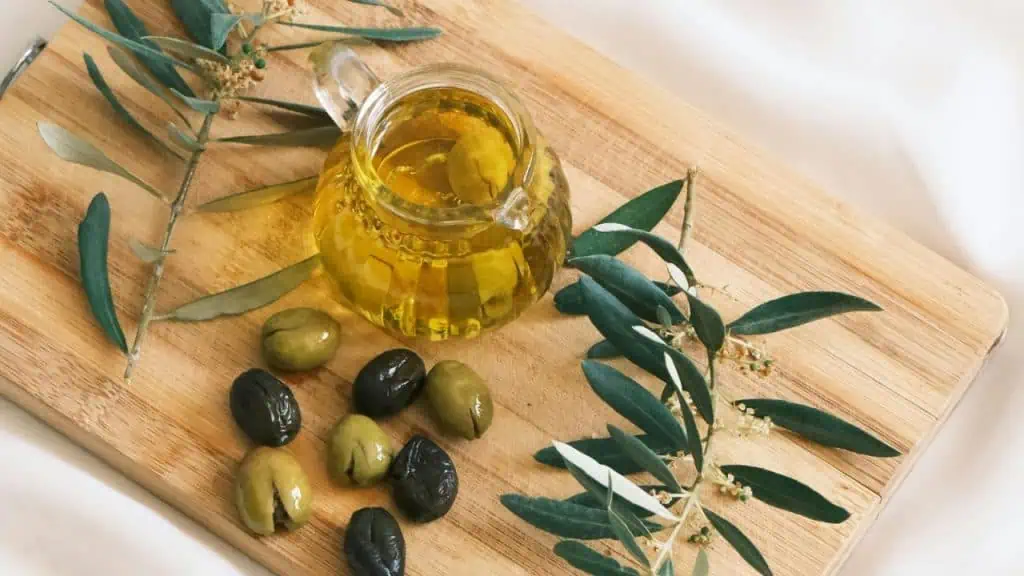
Extra virgin olive oil claims its status as an antioxidant-rich powerhouse, offering a harmonious blend of flavor and health benefits. Its phenolic compounds confer an anti-inflammatory effect, aiding in disease prevention and overall wellness. Distinguished by its intense flavor and rich color, it can elevate simple dishes with complexity. Use it in dressings, drizzles, or as a finishing touch on vegetables and bread. Keeping it stored properly, away from heat and light, maximizes its shelf life and keeps its vivid essence intact. Choose oils certified for authenticity to ensure the highest quality.
The Best: Heart-Healthy Premium Oil
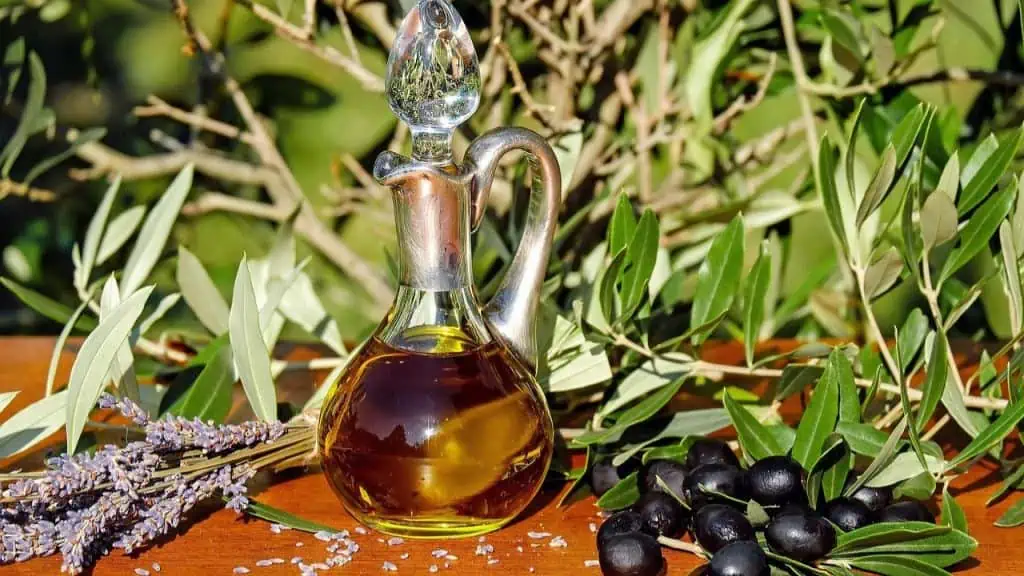
Extra virgin olive oil stands out as a heart-healthy premium choice due to its high concentration of monounsaturated fats and antioxidants. These components support cardiovascular health while adding a rich depth to dressings and sautés. Use it in raw applications to fully enjoy its robust flavor. Emphasize cold-pressed varieties, as they retain more nutrients and maintain their integrity when not exposed to excessive heat. Incorporate it sparingly in cooking to preserve its delicate taste and nutritional benefits.


