
10 Beloved Bakery Chains Boomers Still Remember

For Baby Boomers, bakeries weren’t just about bread they were about comfort, routine, and community. From grocery store shelves stacked with pies and donuts to neighborhood bakeries filled with the scent of sugar and yeast, these brands became part of American life. While some have faded or rebranded, their legacy still lingers in the memories and taste buds of generations who grew up on them.
Entenmann’s

Founded in 1898, Entenmann’s became a household name by the 1970s, offering cakes, crumb-topped coffee treats, and glazed donuts in its iconic white boxes. For Boomers, an Entenmann’s box on the kitchen counter meant weekend indulgence. Now owned by Bimbo Bakeries USA, the brand continues to sell nationwide, proving that nostalgia and crumb cake never go out of style.
Hostess

From Twinkies to CupCakes, Hostess defined the American snack era. Launched in the 1930s and booming through the ’60s and ’70s, its treats became school lunch staples. After financial struggles and a brief disappearance, Hostess made a sweet comeback in 2013. Today, it thrives again under new ownership, keeping its sugary classics alive for new generations.
Sara Lee

Sara Lee’s slogan “Everybody doesn’t like something, but nobody doesn’t like Sara Lee” was more than a jingle; it was gospel for Boomers. Known for its pound cakes, cheesecakes, and pastries, Sara Lee balanced convenience and quality. Though the company’s focus has shifted, its frozen desserts and baked goods still carry that same warm, buttery familiarity.
Mrs. Fields

In the 1980s mall boom, Mrs. Fields cookies became the ultimate treat. Freshly baked and perfectly chewy, they brought the aroma of home baking into shopping centers across America. Though the chain has downsized, its cookies and brownies remain available in stores and online, continuing to satisfy the sweet tooth of anyone who grew up with its iconic red logo.
Pepperidge Farm

Started in 1937 by Margaret Rudkin, Pepperidge Farm became synonymous with quality baked goods. Boomers grew up with its Milano cookies, layer cakes, and golden breads, all symbolizing premium indulgence. Now part of Campbell Soup Company, the brand maintains its reputation for simple luxury and continues to bring refined sweetness to store shelves.
Dunkin’ (Donuts)
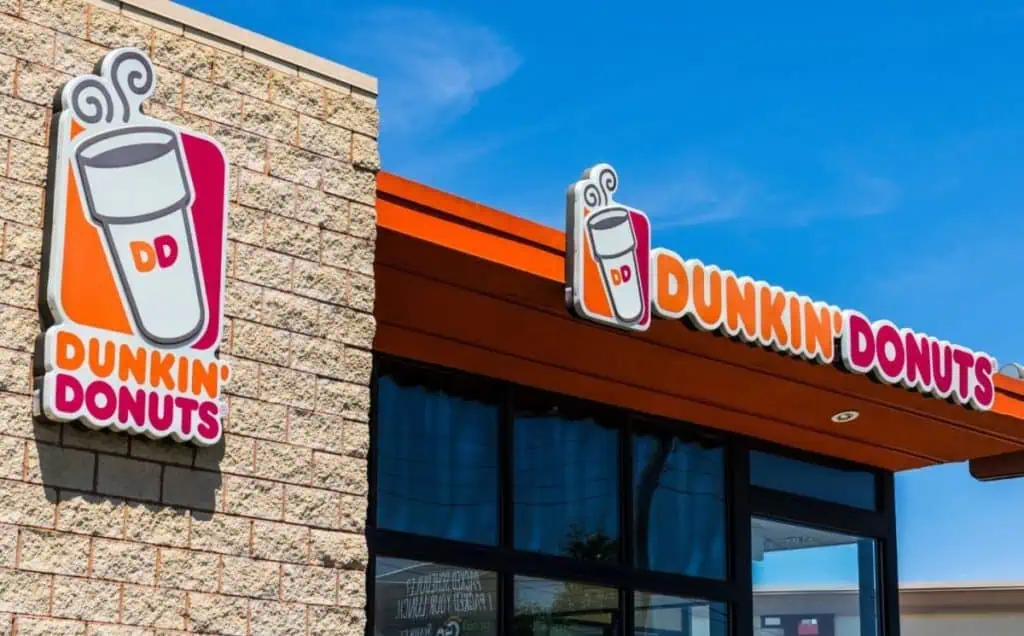
Before it became just “Dunkin’,” this chain was every commuter’s go-to for coffee and glazed donuts. Founded in 1950, Dunkin’ Donuts helped define the American breakfast. Boomers remember its pink-and-orange signs and 99-cent donut dozen specials. Today, Dunkin’ has evolved into a beverage powerhouse but its bakery roots still shape its identity.
Winchell’s Donut House
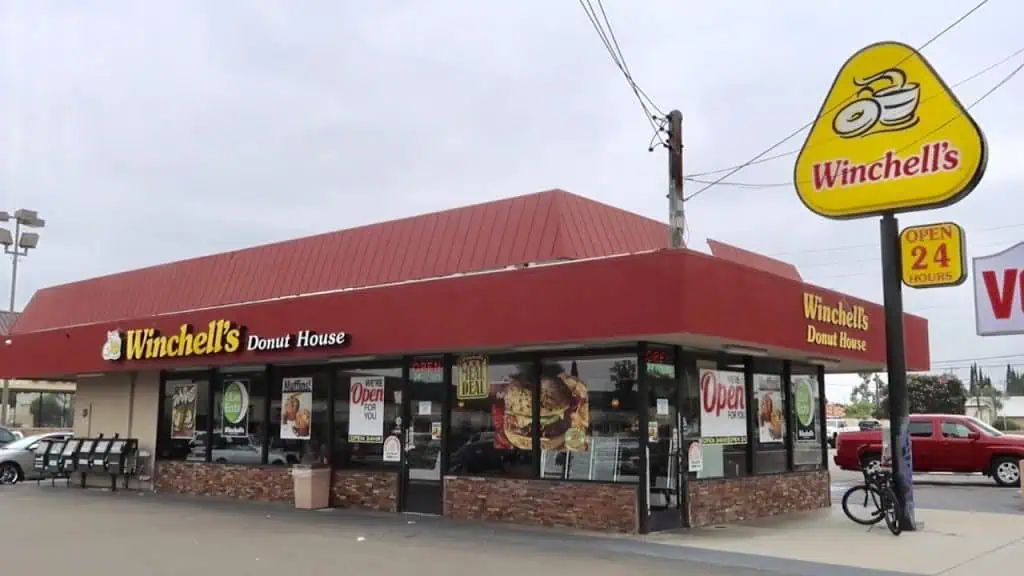
Founded in California in 1948, Winchell’s was once the West Coast rival to Dunkin’ Donuts. Known for its fresh, oversized donuts and late-night hours, it became a neighborhood hangout for decades. Though many locations have closed, Winchell’s still operates in select regions, holding onto its reputation as a retro donut favorite.
Krispy Kreme

No bakery scent triggers notional fame during the ’70s and ’80s when the “Hot Now” sign meant sweet satisfaction. While it’s expanded globally, Krispy Kreme’s glazed donuts remain a symbol of classic Americana soft, sweet, and perfectly nostalgic.
Tastykake

A Philadelphia original, Tastykake became a regional icon for its snack-sized pies and butterscotch Krimpets. Boomers on the East Coast remember lunchboxes stocked with these individually wrapped treats. Still thriving under Flowers Foods, Tastykake has maintained its retro charm while adapting to modern tastes, proving that simple sweets never fade away.
Little Debbie

Introduced in 1960, Little Debbie’s affordable snack cakes from Oatmeal Creme Pies to Swiss Rolls became a symbol of everyday joy. For many Boomers, these treats filled school lunches and after-school snacks. Still family-owned, Little Debbie remains a powerhouse in American snack culture, bridging generations with every soft, frosting-filled bite.


