
10 banned foods from around the world Americans are curious about

Food regulations differ widely around the world, and items considered traditional in one region may be restricted or even banned in another. These differences stem from cultural norms, health guidelines, environmental concerns, and long-standing culinary practices. As global travel and online food culture expand, many Americans have become increasingly curious about the dishes and ingredients they cannot legally access. These banned foods highlight how diverse food traditions really are and how regulations shape what appears on local shelves.
Fugu (Japan)

Fugu, or pufferfish, is tightly regulated in Japan due to the presence of a potent toxin that requires expert preparation. While licensed chefs can serve it locally, many countries ban its import entirely. Americans remain intrigued by its reputation for danger and delicacy, yet strict rules mean only select restaurants can offer it under controlled conditions, reinforcing its mystique as one of the world’s most daring dishes.
Kinder Surprise Eggs (Select Countries)

While Kinder Surprise is legal in the U.S. today in modified form, the original version containing a small toy inside was long prohibited due to choking concerns. Several countries continue to restrict the traditional design. The contrast between nostalgia, collectible appeal, and safety rules keeps the product a point of curiosity for Americans, especially those who grew up hearing about the long-standing ban.
Casu Marzu (Italy)

Casu Marzu, a Sardinian cheese containing live larvae, is banned for commercial sale in the European Union due to food-safety regulations. Despite this, it remains a cultural specialty on the island. Americans frequently encounter it on lists of unusual global foods, fascinated by the strong tradition surrounding a product that pushes far beyond modern sanitation rules while still maintaining deep local significance.
Horse Meat (Various Regions)

Horse meat is consumed in several countries but restricted or banned in others due to cultural views and animal-welfare laws. In the U.S., regulatory and processing limitations effectively limit its availability. Many Americans express interest in why it remains common abroad yet controversial domestically, reflecting how cultural identity plays a major role in determining what is considered acceptable food.
Ackee Fruit (U.S. Restrictions)

Ackee, Jamaica’s national fruit, is restricted in the United States unless processed to remove toxins that can cause severe illness. Because of these rules, only canned, pre-approved versions reach U.S. markets. Americans often wonder about its authentic flavor and culinary uses, which have become well known through Caribbean cuisine but remain difficult to experience fresh due to import regulations.
Haggis Made With Sheep Lung (U.S. Ban)
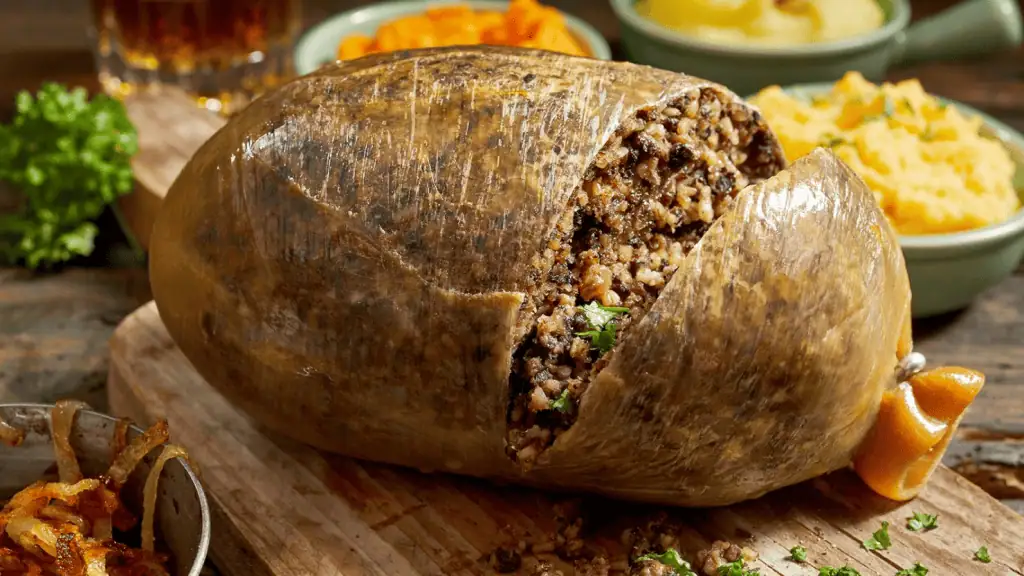
Traditional Scottish haggis contains sheep lung, an ingredient banned from import into the U.S. because of safety regulations surrounding organ meats. As a result, American versions alter the classic recipe, creating a different culinary experience. This difference fuels curiosity about the authentic dish served in Scotland, especially among travelers interested in traditional holiday foods.
Queen Conch (Caribbean Conservation Bans)
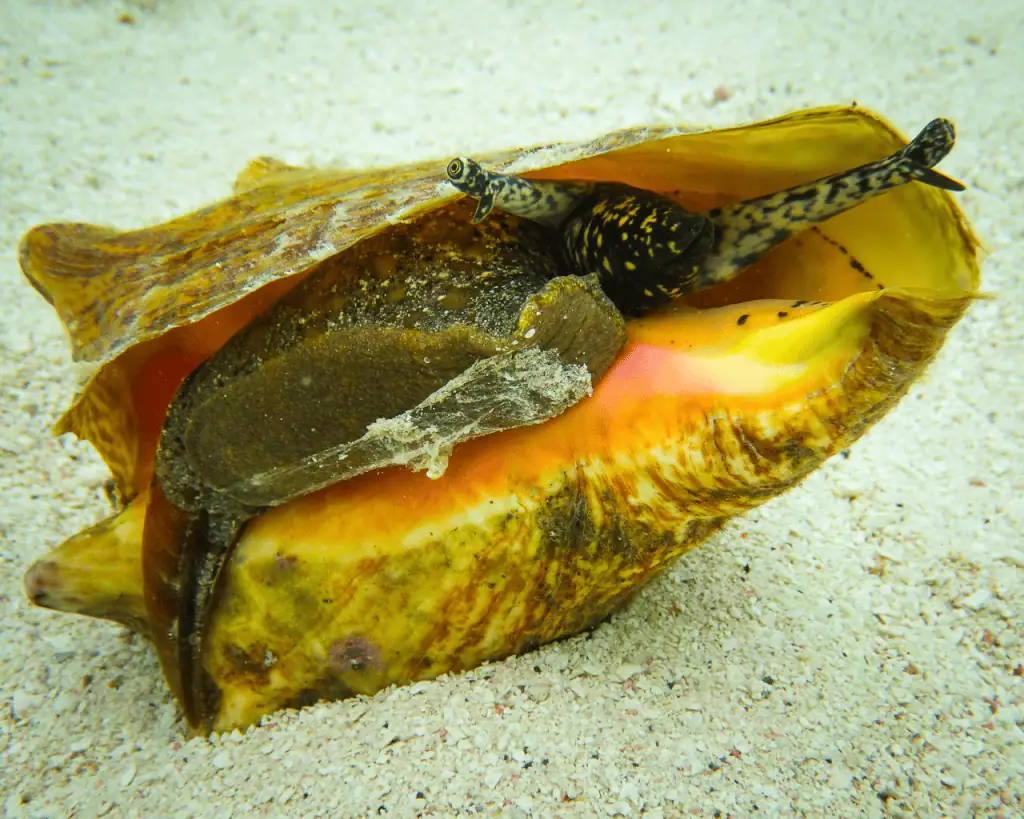
Queen conch is deeply rooted in Caribbean cuisine, but overfishing has led several nations to restrict or ban its harvest. Environmental protections, rather than safety concerns, drive these limitations. Americans familiar with conch fritters or chowder often ask why access has become increasingly limited, highlighting how conservation laws shape the availability of regional seafood traditions.
Unpasteurized Milk Cheeses (U.S. Age Requirement)

Many countries allow raw-milk cheeses with minimal restrictions, while U.S. regulations require them to age at least 60 days. This limit affects popular European varieties often enjoyed fresh abroad. American curiosity stems from the belief that these cheeses taste different in their original unaged forms, creating a sense of mystery around a food that borders on both tradition and safety regulation.
Shark Fin Soup (U.S. State Bans)
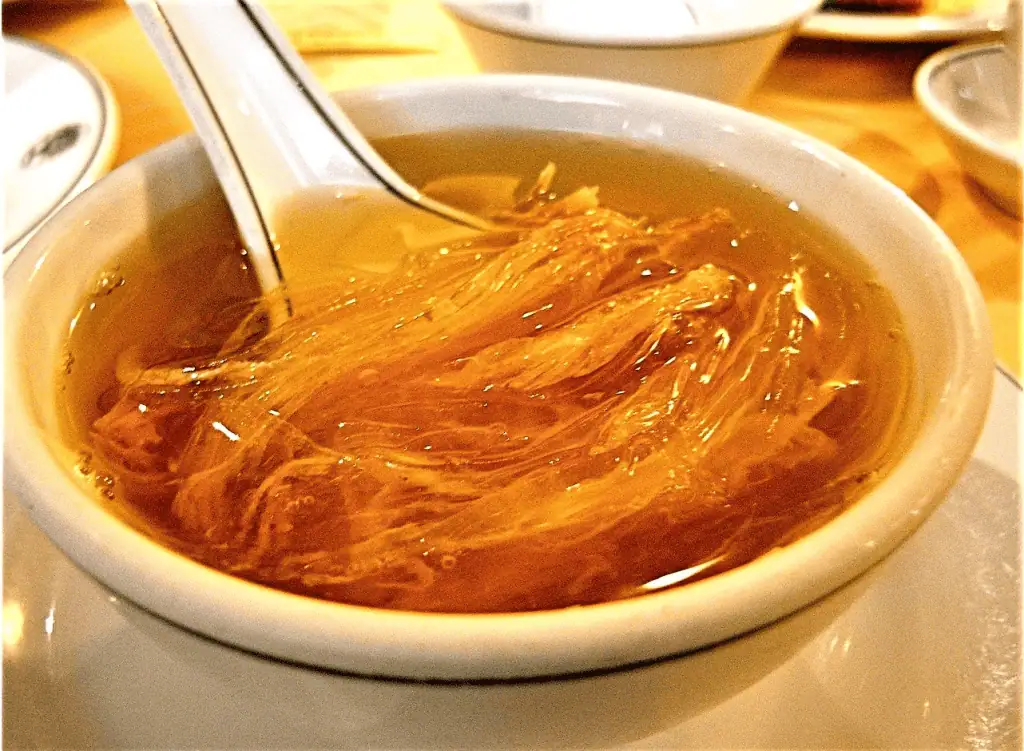
Shark fin soup, historically served at certain East Asian celebrations, has been banned in many U.S. states due to animal-welfare and conservation concerns. While the dish carries cultural significance, declining shark populations have led to widespread restrictions. These bans have sparked curiosity about the dish’s cultural roots and why it remains available in some countries but heavily regulated in others.
Beluga Caviar (U.S. Import Restrictions)

Beluga caviar is among the world’s most prized delicacies, but U.S. imports have long been restricted due to concerns about endangered sturgeon populations. These environmental protections place the product in a rare category of luxury foods Americans mostly know from reputation rather than experience. Its limited availability fuels ongoing curiosity about its flavor, texture, and high status in global cuisine.


