
You’ve Probably Never Tried These 10 Retro Cocktails Americans Once Loved

American cocktail culture wasn’t always about restraint, bitterness, or minimalist builds. For much of the 20th century, popular drinks were theatrical, creamy, colorful, and unapologetically sweet. These cocktails thrived in an era that valued spectacle and indulgence, often blurring the line between dessert and drink. As tastes shifted toward drier spirits, craft credentials, and simplicity, many of these once-beloved recipes faded from menus. They aren’t forgotten because they were bad, but because drinking culture moved on, leaving them feeling unfamiliar to modern palates.
Grasshopper

The Grasshopper is impossible to miss: bright green, sweet, and unmistakably playful. Made with crème de menthe, cream, and chocolate notes, it once functioned as both cocktail and dessert, especially after dinner. Its appeal was indulgence without subtlety cooling mint, richness, and visual drama in one glass. As American tastes shifted away from candy-like drinks, the Grasshopper fell out of favor. Today, its flavor profile feels bold and nostalgic, representing an era when cocktails weren’t afraid to look or taste extravagant.
Brandy Alexander
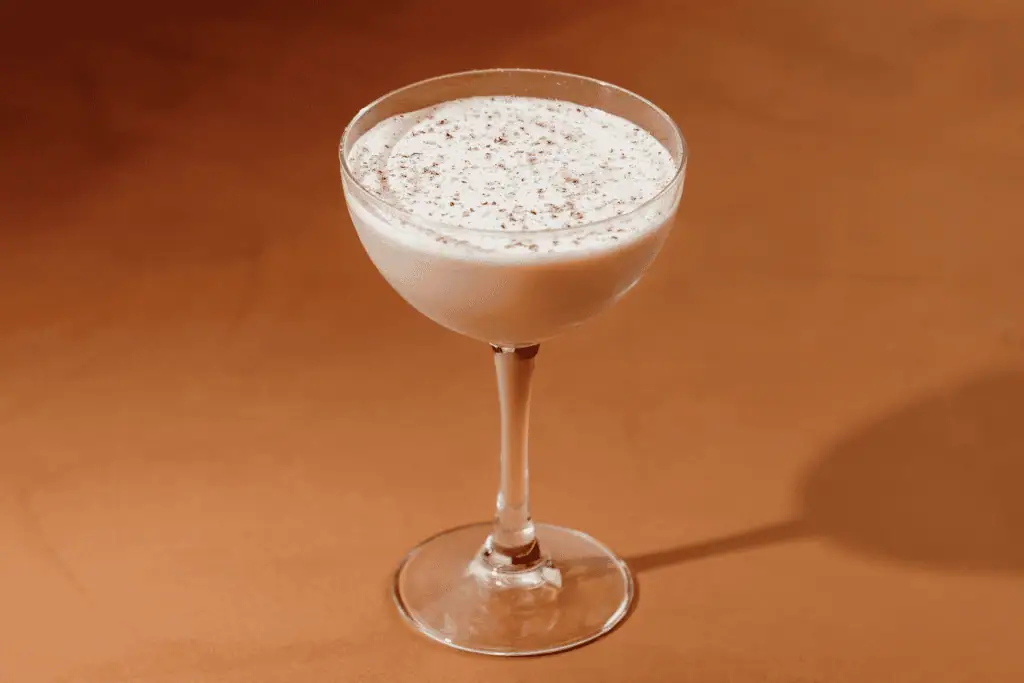
The Brandy Alexander was once shorthand for elegance. Smooth, creamy, and quietly strong, it blended brandy, cocoa liqueur, and cream into something indulgent but polished. It was commonly served at formal gatherings and considered refined rather than excessive. Over time, changing preferences reframed it as heavy and old-fashioned. As lighter, spirit-forward cocktails gained popularity, the Brandy Alexander slipped into obscurity. Its disappearance reflects a broader shift away from richness toward restraint, not a flaw in the drink itself.
Pink Squirrel

The Pink Squirrel feels like a time capsule in a glass. Combining almond liqueur, cream, and subtle herbal notes, it was a mid-century dinner party staple, particularly in the Midwest. Its pastel color and dessert-like sweetness matched an era that embraced novelty and visual charm. Today, both the name and flavor feel far removed from modern cocktail trends. The Pink Squirrel didn’t vanish because it lacked appeal, but because contemporary drinking culture no longer centers indulgent, cream-forward drinks as social centerpieces.
Harvey Wallbanger
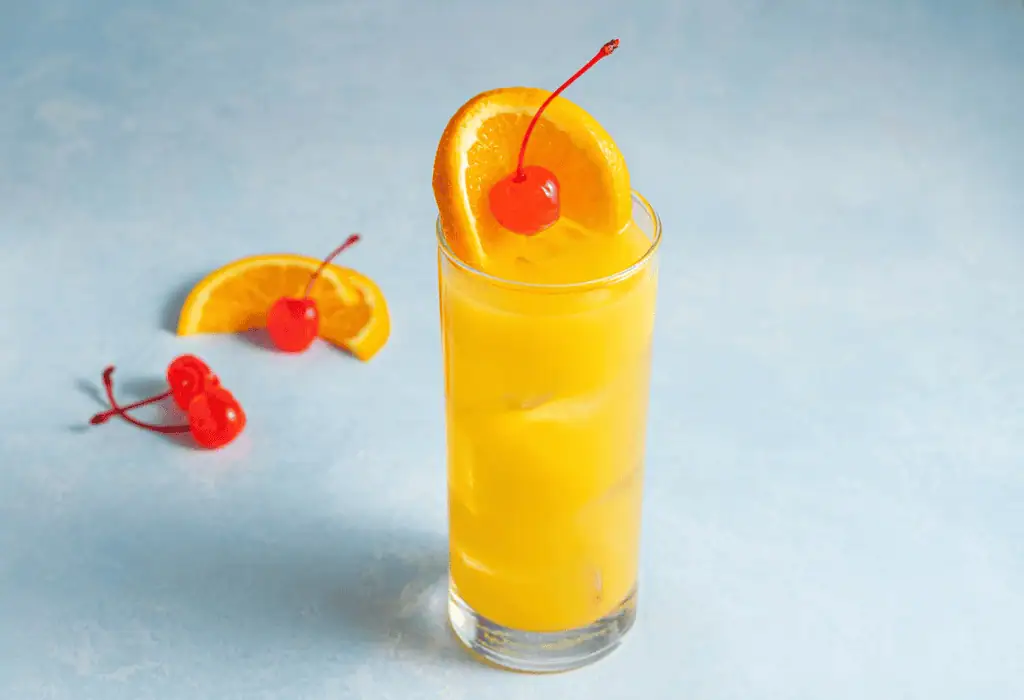
The Harvey Wallbanger was built for personality, not subtlety. Vodka, orange juice, and a float of herbal liqueur created a drink that felt playful, slightly strange, and instantly recognizable. It thrived in an era when cocktails were marketed like characters, complete with names, stories, and visuals that stuck in memory. As vodka culture shifted toward extreme simplicity, fewer ingredients, and cleaner flavors, this drink quietly disappeared. Not because it failed, but because modern drinking moved away from cocktails that leaned into whimsy and recognizable sweetness.
Stinger

The Stinger was once the definition of a serious nightcap. Made with brandy and mint liqueur, it was sharp, cooling, and unapologetically adult. Unlike later mint drinks, it wasn’t sweet or dessert-like; it was structured and bracing. It signaled the end of the evening, not indulgence. As mint flavors became associated with sugar, novelty, and candy-like cocktails, the Stinger lost cultural relevance. Its disappearance reflects a broader shift in how mint is perceived, not a lack of sophistication in the drink itself.
Golden Cadillac

The Golden Cadillac blurred the line between cocktail and dessert. With cream, vanilla, and herbal sweetness, it was rich, comforting, and celebratory. Popular in hotel lounges and special-occasion dinners, it fit an era when cocktails were meant to feel indulgent and generous. Modern drinkers often find it too heavy, but that heaviness was once the appeal. The Golden Cadillac reflects a time when drinks didn’t aim for restraint. They aimed to feel like a reward, served slowly and without apology.
Tom Collins (Vintage Style)

The Tom Collins never disappeared, but its original form largely did. Early versions were far sweeter and less restrained than today’s interpretations, leaning heavily on sugar and soda for refreshment rather than balance. It was designed to be easy, bright, and immediately drinkable, not sharp or spirit-forward. As cocktail culture shifted toward precision and dryness, the vintage style fell out of favor. What remains is a leaner descendant, while the original version survives mostly as a historical footnote.
Clover Club (Original Era Version)
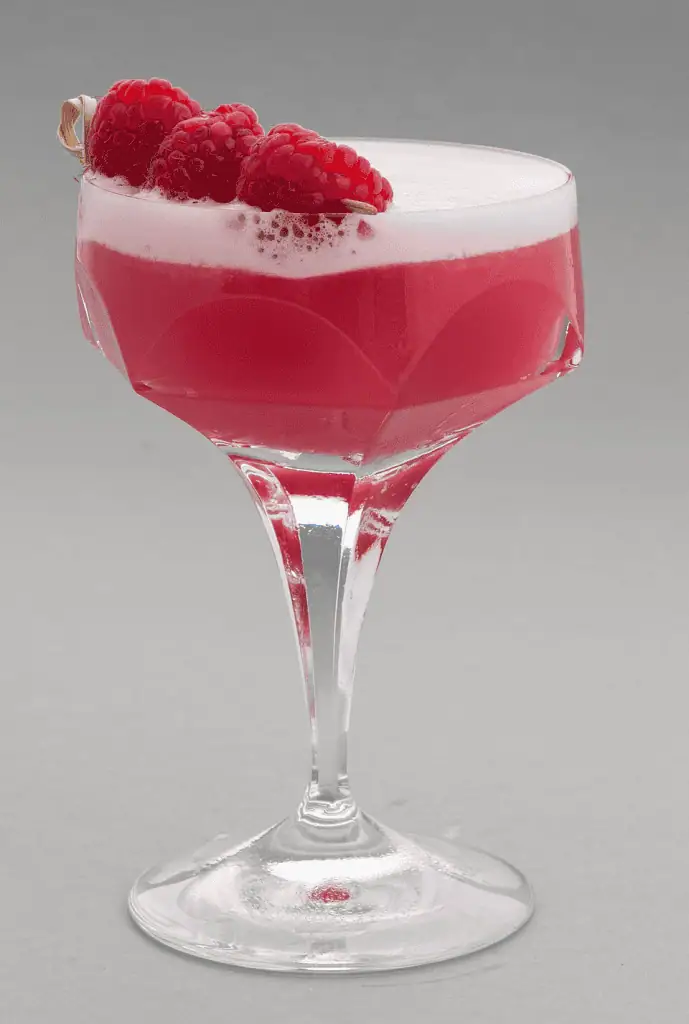
The original Clover Club was far richer and sweeter than the version most people encounter today. Early recipes leaned heavily into texture, using egg white foam, fruit sweetness, and softness as core features rather than accents. It appealed to drinkers who valued mouthfeel and visual elegance over sharpness or restraint. Modern craft revivals often strip the drink down, reducing sweetness and tightening balance to suit contemporary tastes. In doing so, they unintentionally erase what made the Clover Club popular in the first place its indulgence, softness, and sense of occasion rather than precision.
Rum Swizzle
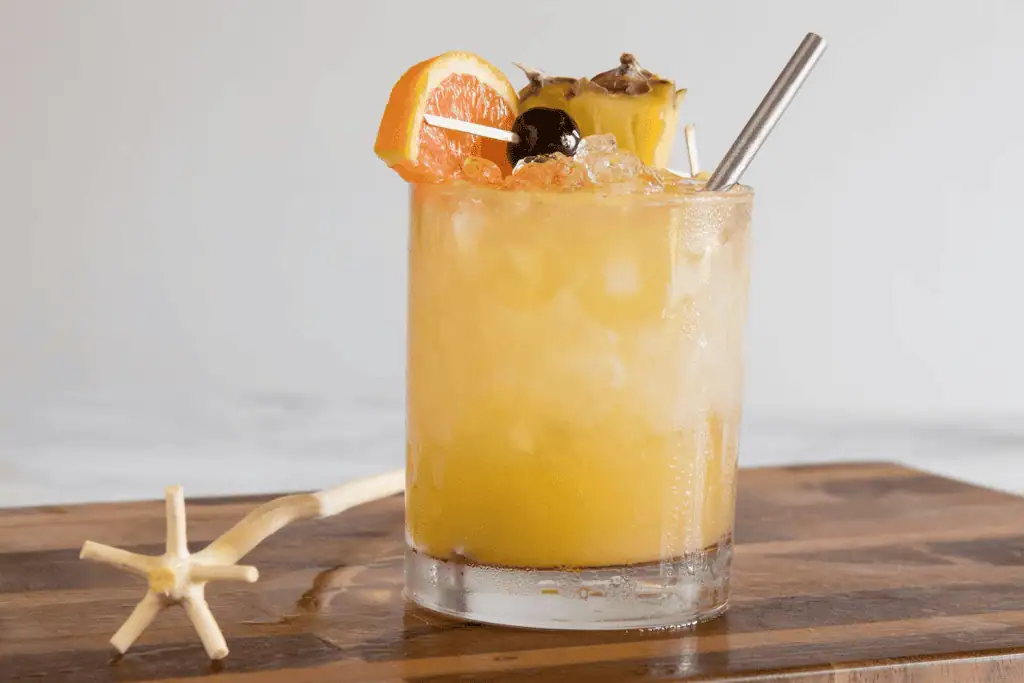
Rum swizzles were once a cornerstone of American resort and vacation drinking culture. Built with rum, fruit juices, spice, and generous sweetness, they were designed to be sipped slowly in social settings, not rushed. The strength was masked by flavor, encouraging long conversations and shared rounds. As tiki culture faded and minimalist cocktails took over, swizzles disappeared from most menus. Today, they feel unfamiliar not because they were flawed, but because drinking culture moved away from communal, layered drinks meant for leisure rather than efficiency.
Champagne Cocktail (Mid-Century Style)

Mid-century champagne cocktails were celebratory in a way modern versions rarely are. Sugar cubes soaked in bitters, added liqueurs, and decorative garnishes made them ornate and slightly sweet. These drinks weren’t about showcasing the purity of champagne, but about turning it into an event. As preferences shifted toward dryness, simplicity, and minimal interference with sparkling wine, these builds quietly vanished. What remains today is a restrained descendant, while the original champagne cocktail reflects a time when elegance meant embellishment, not subtraction.


