
This Is the Only Place in New York City That Still Serves Coke the Old-Fashioned Way

Finding a glass of Coca-Cola that hasn't been dispensed from a modern plastic nozzle is nearly impossible in today’s fast-paced culinary world. According to historical dining records, the traditional “soda jerk” method of mixing carbonated water with concentrated syrup began to vanish in the 1950s as automated machines took over. However, one legendary New York City institution has refused to update its equipment for over a century.
This article explores the mechanics of the vintage soda fountain and why this specific location remains a pilgrimage site for soda purists. We look at the data behind their traditional mixing ratios and the specialized tools required to maintain this authentic 1920s flavor profile.
The Legacy of Lexington Candy Shop
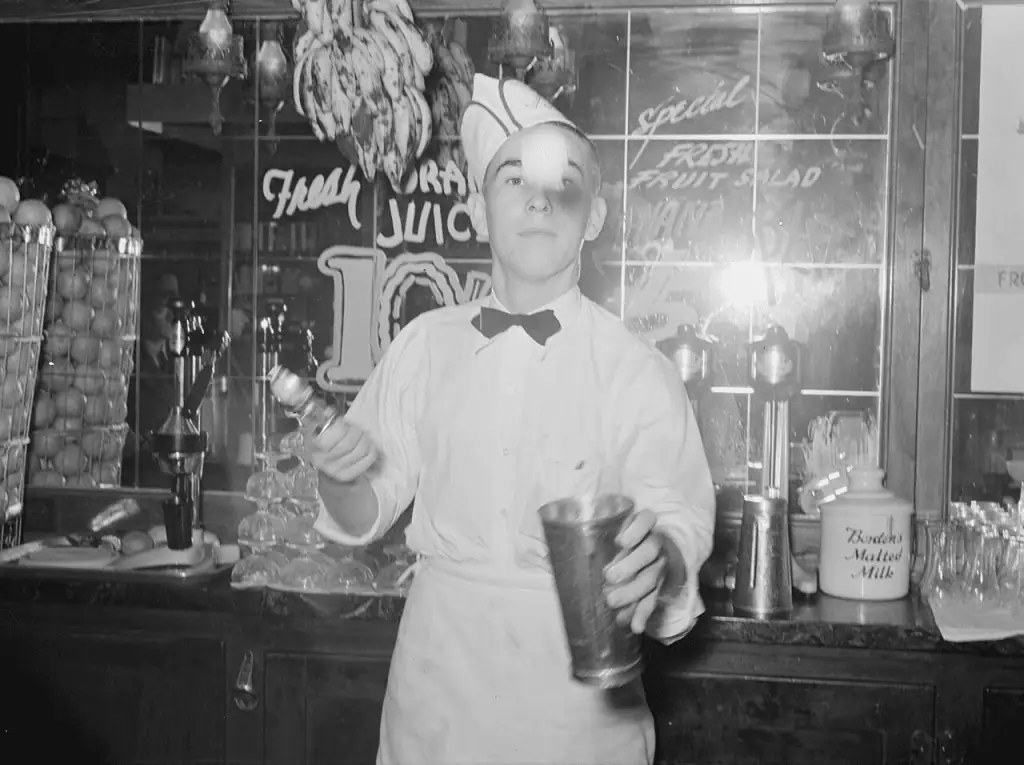
Lexington Candy Shop is the oldest family-owned luncheonette in New York City and officially celebrated its 100th anniversary in 2025. Located on the corner of 83rd Street and Lexington Avenue, the diner has been operated by the same family since it first opened its doors in 1925. According to the shop's ownership, the interior was last renovated in 1948, which preserved the original green Formica counters and swivel stools.
This commitment to physical history is what allows the staff to continue using techniques that have been abandoned by every other diner in the five boroughs. It serves as a living museum of New York's mid-century food culture while remaining a fully operational neighborhood staple.
The Chemistry of the Hand-Mixed Coke
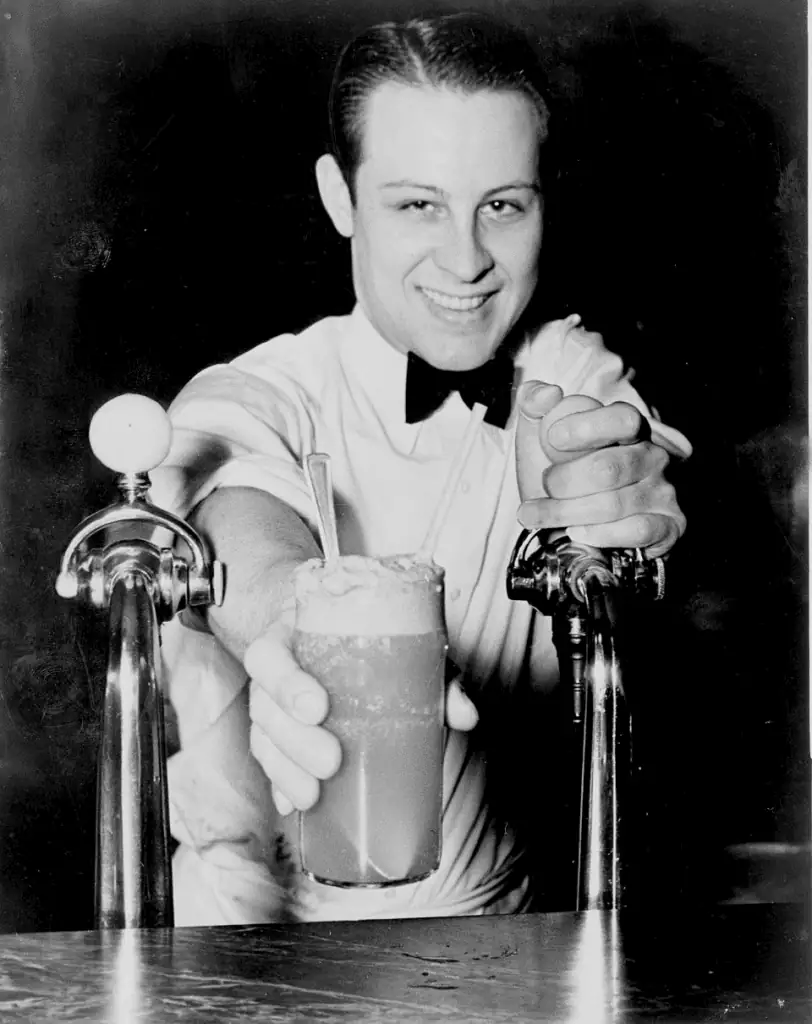
The “old-fashioned way” of serving Coke involves a precise three-step manual process that differs significantly from modern “bag-in-box” fountain systems. First, a staff member uses a 1940s-era stainless steel pump to measure out exactly two ounces of authentic Coca-Cola syrup into a chilled glass. Next, they add ice-cold seltzer water drawn from a vintage carbonation tap that provides a higher level of “fizz” than standard commercial dispensers.
Finally, the mixture is stirred vigorously by hand with a long-handled silver spoon to ensure the syrup and carbonation are perfectly integrated. Industry experts note that this manual method prevents the watered-down taste often found in high-volume fast-food machines.
Vintage Equipment and Maintenance

Maintaining a soda fountain from the 1940s requires specialized knowledge and parts that are no longer in mass production. The shop utilizes a Hamilton Beach mixer and refrigeration units that date back to the Truman administration to keep their ingredients at the ideal temperature. According to maritime and mechanical history reports, these older machines were built with heavy-duty metals that offer superior temperature retention compared to modern plastic counterparts.
The staff must manually calibrate the hand pumps daily to ensure the syrup-to-seltzer ratio remains consistent with the original 1920s standards. This dedication to mechanical upkeep is the primary reason why no other modern establishment can replicate their specific soda texture.
The Signature Coca-Cola Float
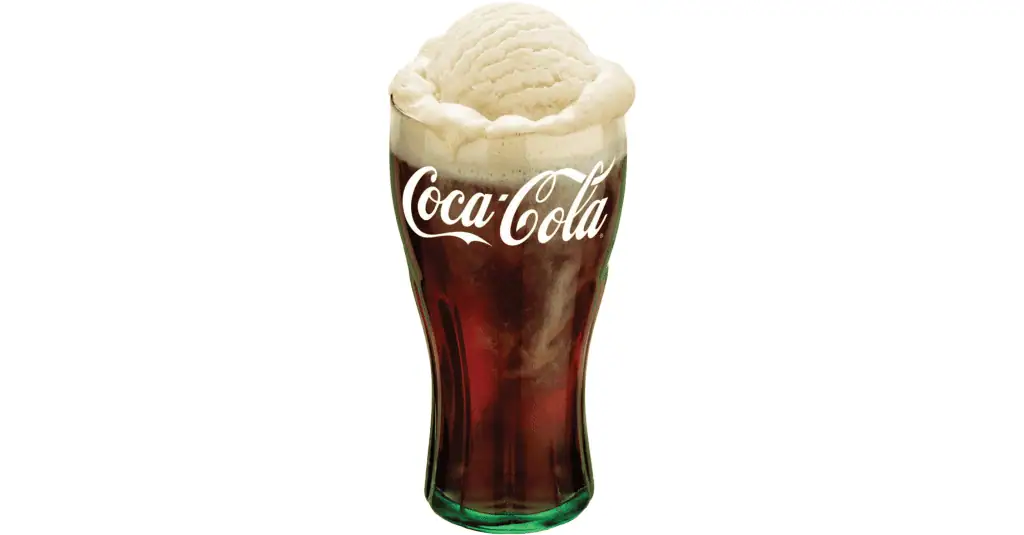
While a standard glass of hand-mixed Coke is the main draw, the shop is equally famous for its traditional Coca-Cola floats. They use “super premium” ice cream sourced from Bassetts, a company that has been in operation since 1861, to ensure the highest fat content and creaminess. According to culinary standards, the high butterfat in the ice cream creates a unique foamy “head” when it reacts with the manually carbonated seltzer.
This reaction is chemically different from what occurs with modern soda, resulting in a thicker and more stable foam that lasts throughout the meal. It is a calorie-dense luxury that has remained virtually unchanged on their menu for over seventy-five years.
Cultural Impact and Modern Fame
In an era dominated by digital trends, Lexington Candy Shop has gained a new generation of fans through viral social media coverage highlighting its “time capsule” atmosphere. Despite its global fame on platforms like Instagram and TikTok, the diner maintains a strictly local feel with many regular patrons who have visited for decades.
According to recent neighborhood surveys, it remains one of the few places where residents and tourists mingle without the “tourist trap” atmosphere common in Times Square. The shop’s refusal to adopt modern shortcuts has ironically made it more relevant in a market that increasingly values authenticity and craftsmanship. It stands as a reminder that some methods of food preparation were perfected a century ago.


