
Think These Cereals Are Healthy? Think Again

Cereals often sit in kitchen cabinets labeled “healthy,” but many hide nutritional pitfalls. With clever marketing and appealing labels, they promise health benefits yet don’t always deliver. This exploration digs into popular cereal choices, unveiling the lesser-known truths behind their health claims. Understanding these details can guide better breakfast decisions, ensuring a more nutritious start to the day.
The Truth About Granola

Granola's reputation for wholesomeness stems from its natural ingredients like oats, nuts, and seeds. However, it’s often heavily processed, concealing high quantities of added sugars and oils. To make healthier granola at home, toast oats with a touch of honey or maple syrup and mix in nuts and dried fruits. Monitor the cooking temperature closely to prevent burning and enhance flavor consistency. Choosing the right ingredients can transform granola into a genuinely nutritious option.
Raisin Bran: Not as Wholesome?
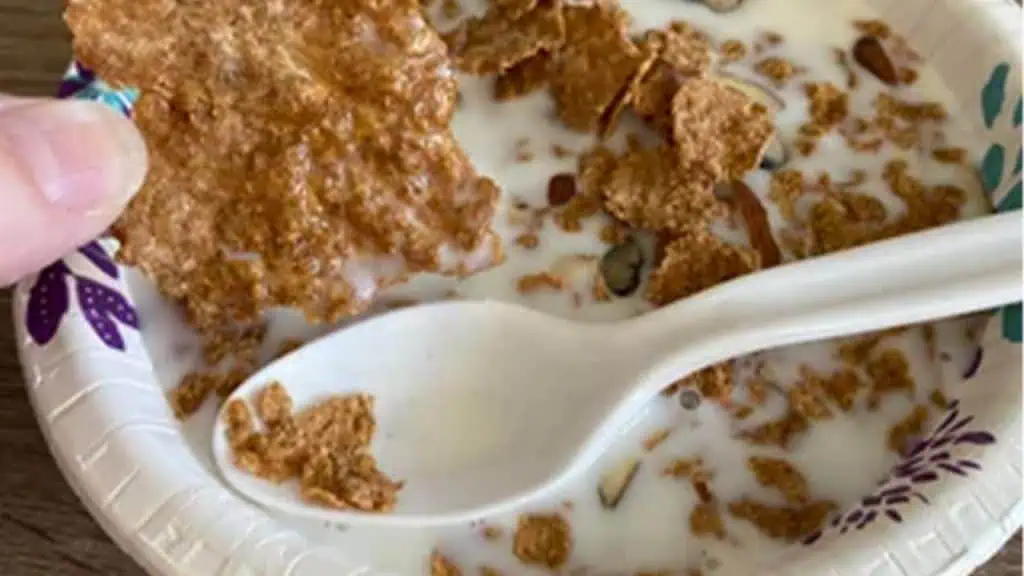
Raisin Bran is frequently viewed as a fiber-rich choice, owing to its bran flakes and raisins. Yet, the raisins are often sugar-coated, significantly increasing the sugar content. Opt for making your own version by mixing bran flakes with unsweetened raisins. Seek whole-grain flakes, ensuring better fiber retention, and measure portions carefully to manage sugar intake. This approach maintains the cereal’s intended benefits while minimizing unnecessary sugars.
Honey Nut Cheerios: Sweet Deception

Honey Nut Cheerios advertise heart health, yet they contain added sugars that counteract their beneficial claims. While oats are heart-healthy, the sweeteners detract from their benefits. Consider combining unsweetened whole oat cereals with natural sweeteners like fresh fruit or a drizzle of honey. This method not only reduces sugar consumption but also enhances the natural flavors, making for a more nutritious breakfast alternative.
Special K: Health Halo or Hype?

Special K prides itself on promoting weight loss and a healthy lifestyle. However, many variations contain added sugars and lack sufficient fiber. Look for whole-grain varieties or make an alternative with popped quinoa or puffed brown rice, balancing with nuts for protein. Reading labels diligently uncovers true nutritional values, empowering better choices. This practice ensures that breakfast is both satisfying and supportive of health goals.
The Instant Oatmeal Trap
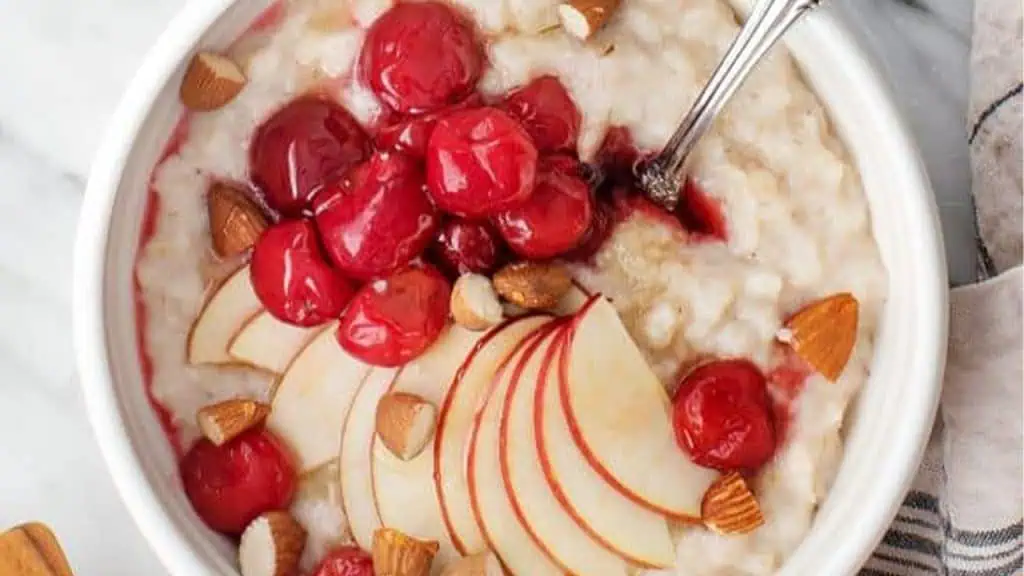
While instant oatmeal seems like a convenient, nutritious start, it often harbors hidden sugars. These packets usually contain flavors and sweeteners that overshadow oats' natural benefits. Opting for plain steel-cut oats allows control over sugar content and flavoring. Steel-cut oats retain more texture and fiber, promoting satiety. Top them with fresh fruits, nuts, or a drizzle of honey for a healthier option. Preparing them might take a few more minutes, but the wholesome, rich texture rewards the effort.
Get Recipes : The Instant Oatmeal Trap
Kashi GO: A Closer Look
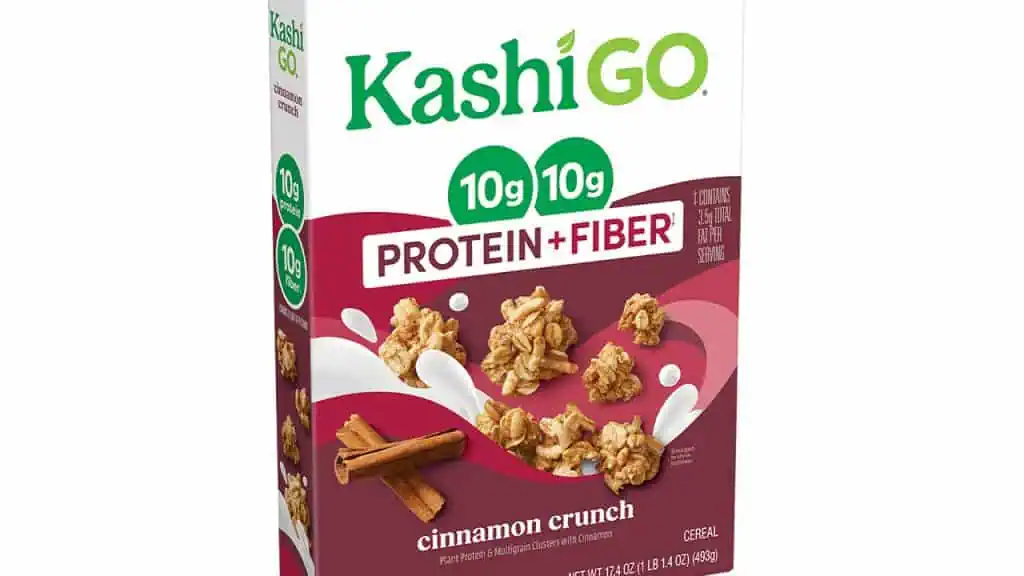
Kashi GO cereals often market themselves as high-protein options, but it's crucial to examine the ingredients list closely. These cereals can contain added sugars and processed protein sources. Focusing on whole food toppings such as almonds or chia seeds can naturally boost protein and nutrient content. By mixing Kashi with plain oats or yogurt, you can cut down on sugar while enhancing texture and flavor. This approach ensures you're getting beneficial nutrients without the extra sugar intake.
Protein-Enhanced Cereal Pitfalls
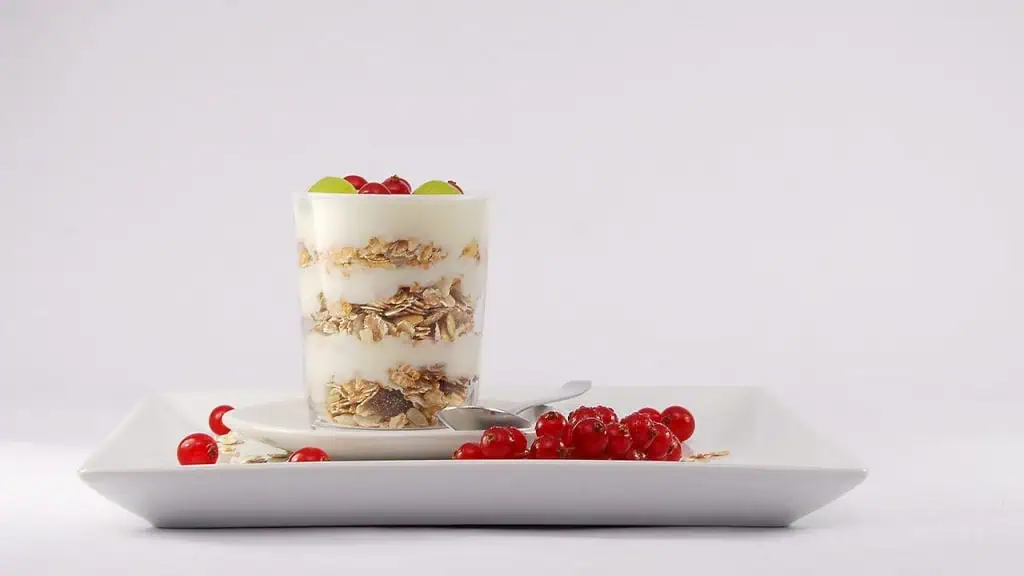
Protein-enhanced cereals promise a morning boost, but be cautious of additives and fillers used to bolster protein content. Check for ingredients like soy protein isolate or artificial flavors that may not suit everyone's diet. Balance is key; pairing these cereals with whole foods like Greek yogurt or fresh fruit adds vitamins and healthy fats. This combination can round out breakfast, providing sustained energy without unnecessary additives. Selecting minimally processed options keeps breakfast both nutritious and satisfying.
Fiber One: Fiber Plus Sugar?

Fiber One cereals are often highlighted for their fiber content but can be laden with as much sugar as other cereals. To maximize fiber intake without the sugar, consider blending Fiber One with unsweetened, whole-grain cereals. Adding fresh berries or flaxseeds elevates fiber content naturally, offering complexity in flavor while preserving health benefits. By avoiding over-processed options and creatively mixing ingredients, you ensure a nutritious start to your day that truly focuses on fiber.
Corn Flakes: A Classic Misunderstood

Corn flakes are often perceived as a wholesome choice but can lack nutritional density, with added sugars often sneaking in. To enhance their health benefits, consider them a blank canvas; mix in nuts or seeds like sunflower or pumpkin for added texture and nutrients. A splash of almond milk adds creaminess, complementing the crunch while keeping sugar levels in check. This approach transforms a simple breakfast into a more balanced and satisfying meal, combining convenience with nutrition.


