
The Unsung Ingredients That are Quietly Becoming Kitchen Staples

Modern kitchens are increasingly embracing ingredients that elevate dishes with minimal effort. These previously unsung staples are now gaining recognition for their ability to enhance flavors and add depth. By integrating them into your cooking repertoire, you can effortlessly transform everyday meals into extraordinary experiences. In this guide, explore how to master the use of these hidden gems, elevating your dishes to new heights with tried-and-true techniques.
Miso: The Fermented Flavor Bomb

Miso, a paste made from fermented soybeans, is renowned for its umami richness. Its versatility shines beyond traditional soups. Use it as a marinade for meats or vegetables, or whisk it into dressings for a punch of savory depth. When using miso, balance its potent flavor by pairing it with sweet or acidic elements like honey or citrus. To prevent bitterness, avoid overheating, and add it toward the end of cooking. By mastering its use, you can introduce complex layers to a variety of dishes.
Gochujang: Korea’s Sweet-Heat Secret

Gochujang, a Korean chili paste, combines spicy, sweet, and savory flavors that can invigorate your cooking. Its thick, vibrant consistency makes it perfect for glazes, marinades, and dipping sauces. To fully savor its complexity, blend it with soy sauce, sesame oil, or a touch of vinegar. A small amount can transform stews, stir-fries, and even scrambled eggs, adding a subtle, smoky depth. Embrace gochujang for its ability to introduce dynamic flavors with minimal fuss.
Tahini: Beyond Hummus

Tahini, a paste made from ground sesame seeds, is gaining popularity for its nutty, rich profile. While often associated with hummus, its applications extend to both sweet and savory recipes. Integrate it into salad dressings, drizzle over roasted vegetables, or mix into cookie dough for a unique twist. Tahini's creamy texture and slightly bitter undertone can balance rich flavors. To maintain its integrity, store tahini in a cool place and stir before use to ensure even consistency.
Brown Butter: Nutty Upgrade to Everything

Brown butter, or beurre noisette, is butter cooked until the milk solids caramelize, imparting a rich, nutty aroma. This simple alteration enhances sauces, baked goods, and pasta dishes. To achieve perfect brown butter, gently heat butter in a light-colored pan to monitor its color change. Once it turns golden brown and emits a nutty scent, remove from heat immediately to prevent burning. Use it to elevate simple dishes like mashed potatoes or to add complexity to dessert recipes.
Harissa: North Africa’s Bold Blend
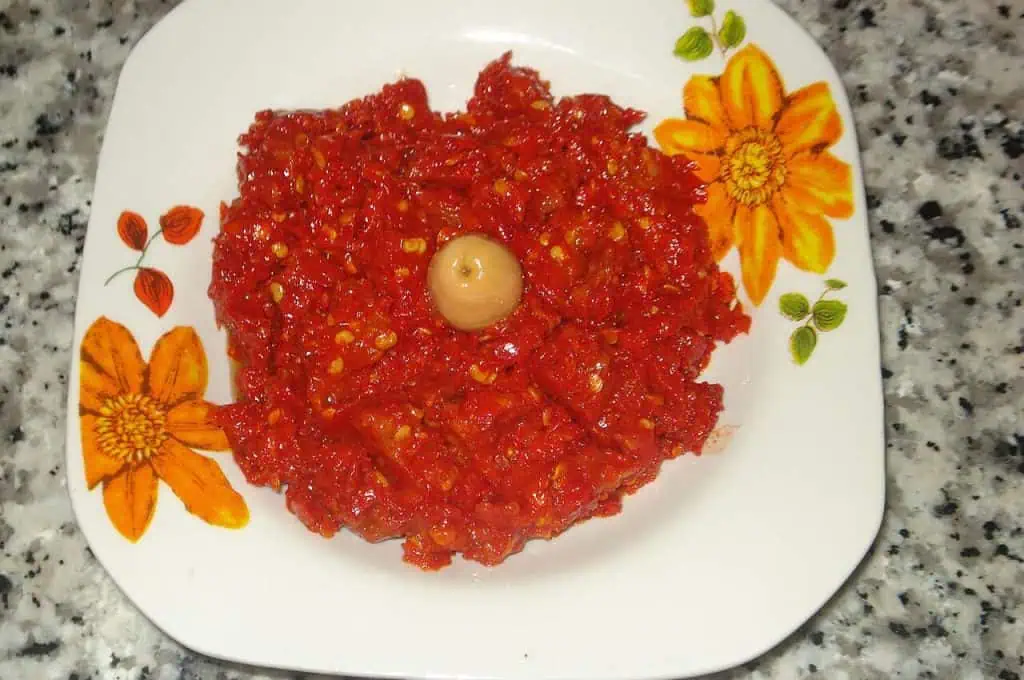
Harissa, a robust mix of chili peppers, garlic, and spices, delivers a fiery depth that transforms simple dishes. Incorporate it into marinades for meats or add a spoonful to soups for an invigorating kick. When using harissa, balance its heat by pairing it with creamy textures, such as yogurt or avocado. To extract its full potential, briefly roast the spices before grinding to amplify the blend’s aromatic qualities. This North African staple enlivens any meal with its rich, layered flavors.
Furikake: Japan’s Umami Sprinkle

Furikake, a versatile Japanese seasoning, combines seaweed, sesame seeds, and dried fish, offering a burst of umami. Its crunchy texture enhances rice, salads, or even popcorn, delivering subtle complexity. For optimal flavor, sprinkle furikake just before serving to maintain its crispness. Consider blending it with panko for a unique breadcrumb coating on chicken or fish. This condiment encapsulates the essence of Japanese cuisine, bringing a touch of the ocean to your dishes.
Preserved Lemons: A Zesty Must-Have

Preserved lemons bring a distinctive tang and warmth, elevating dishes with minimal effort. Originating in North African cuisine, they're made by curing lemons in salt and their own juices, resulting in a soft, intensely flavored rind. Finely chop and incorporate them into salads, grain dishes, or stews. The saltiness enhances savory notes without overwhelming diners. Ensure to rinse and pat them dry to control salt levels. These lemons provide a vibrant lift, transforming ordinary meals with their unique flavor profile.
Chili Crisp: Crunchy Oil for Everything

Chili crisp, a robust and textured condiment, is cherished for its crunch and heat. Laden with fried garlic, shallots, and chili flakes, it adds a spicy, savory note to any dish. Use it as a topping for noodles, eggs, or even ice cream for daring palates. To ensure maximum crispness, always spoon from the top of the jar where the solids congregate. The complexity of flavors each spoonful delivers makes it an indispensable, versatile addition to your pantry.
Black Garlic: Sweet and Savory Mystery

Black garlic, with its sticky-sweet flavor, is a product of controlled fermentation, resulting in deep, umami-rich notes akin to balsamic vinegar or tamarind. Integrate it into marinades, sauces, or blend it into a creamy aioli. Its mellowed pungency allows for generous application without overwhelming a dish. Mince and incorporate it in dressings or use it as a surprising pizza topping. Black garlic’s unique taste and versatility make it a compelling ingredient for adventurous cooks seeking to elevate their culinary repertoire.
Coconut Aminos: Healthier Soy Sauce

Coconut aminos offer a lower-sodium alternative to traditional soy sauce while maintaining umami richness and depth. Derived from the fermented sap of coconut palms, this dark, slightly sweet condiment brings a gentle complexity to dishes. Use it in marinades for a nuanced glaze or in stir-fries to accentuate fresh vegetables without overpowering their natural flavors. Its subtle sweetness complements savory elements, making it ideal for salad dressings where balance is key. Experiment with coconut aminos in place of soy sauce to enjoy its unique profile, particularly in recipes needing a mild, umami-rich touch.


