
The Truth About Decaf: Is It Actually Good for You?

Decaf coffee often raises questions about its health benefits and potential drawbacks. Many coffee enthusiasts wonder if switching to decaf is worth it. Let's delve into what decaf truly offers and whether it holds up against its caffeinated counterpart in terms of health and enjoyment.
Understanding Decaf Coffee

Decaf coffee is made from regular coffee beans that have had at least 97% of their caffeine content removed. Despite this reduction, decaf retains the essential compounds responsible for the flavor and aroma of traditional coffee, though with a milder profile. It offers a suitable option for those seeking to enjoy coffee without the effects of caffeine.
How Decaf is Made
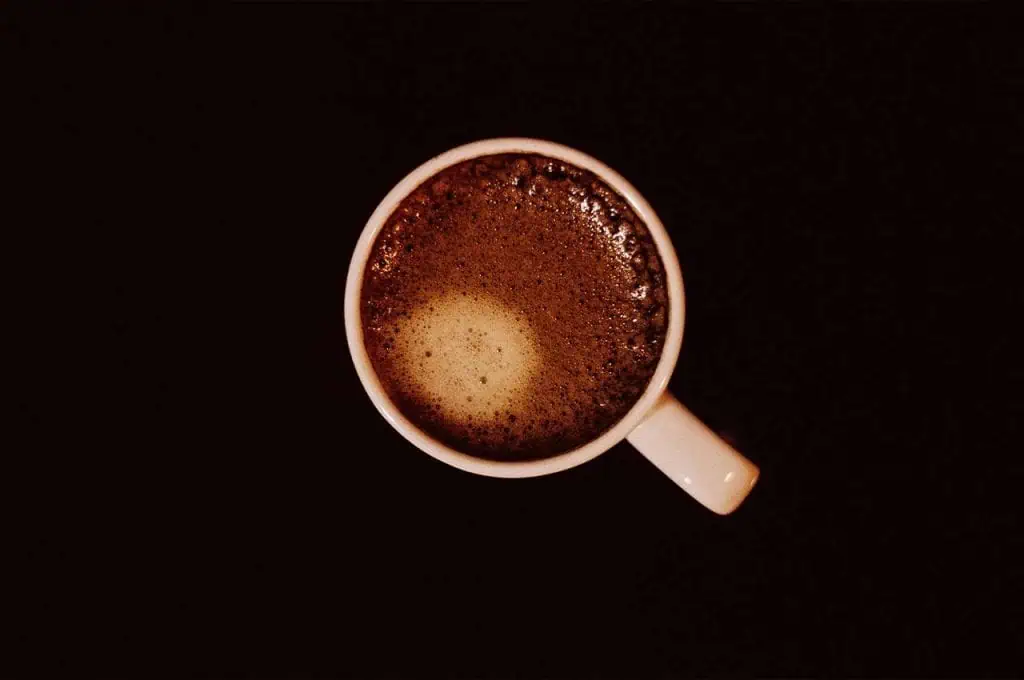
Decaffeination involves several methods, including the Swiss Water Process, which uses water to extract caffeine, and the CO2 method, which employs carbon dioxide. Both aim to preserve flavor while minimizing caffeine. Each method impacts the coffee’s taste slightly, making it important to try different brands to find your preferred cup.
Health Perks of Regular Coffee

Regular coffee is rich in antioxidants and can aid metabolism, improve mental alertness, and reduce risks of certain diseases. The caffeine content boosts energy levels and enhances performance, offering both immediate and long-term health benefits. Nonetheless, it can cause jitters and insomnia in sensitive individuals.
Benefits of Drinking Decaf

Decaf offers many of the same antioxidants as regular coffee but without the caffeine-related side effects. It's a great alternative for those who love the taste of coffee but need to limit caffeine intake due to health conditions or sensitivity. Enjoy the ritual and flavors without the potential drawbacks of too much caffeine.
Caffeinated vs Decaf Showdown

To understand decaf, it’s crucial to compare it with its caffeinated counterpart. Regular coffee provides that quick caffeine kick, boosting alertness and focus. Decaf, however, contains only about 2-5 mg of caffeine per cup, serving as a gentler option for those sensitive to stimulants. Taste differences are subtle yet present; decaf can sometimes lack the robust flavor of regular coffee, but high-quality beans and proper brewing methods can help bridge this gap, ensuring a satisfying experience.
Caffeine's Effects on Body

Caffeine is a natural stimulant that quickly permeates the blood-brain barrier, enhancing neurotransmitter activity to improve mood and mental function. However, it can also lead to jitters, increased heart rate, and disrupted sleep in sensitive individuals. Understanding your personal tolerance is key, as caffeine affects people differently, influenced by factors such as genetics and habitual consumption. Moderation is crucial to harness its benefits while minimizing potential drawbacks.
Decaf: Any Risks or Limits?
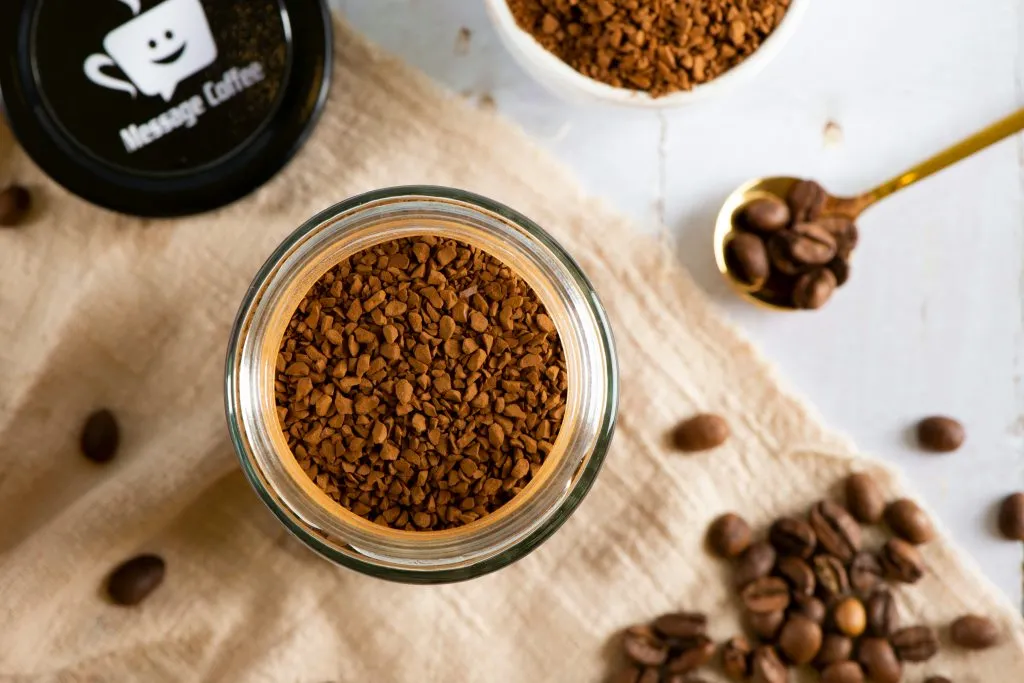
Decaf coffee, while lower in caffeine, is not entirely devoid of health considerations. The decaffeination process often employs chemicals, though water-based and CO2 methods are safer alternatives. While generally considered safe, there’s a slight possibility for minor digestive upset in some individuals. It’s crucial to be mindful of any additives or flavorings, as they can introduce unwanted sugars or calories. As with any beverage, moderation ensures it remains a healthful choice.
Final Verdict on Decaf Coffee

Decaf coffee offers a viable alternative for those seeking the comfort of coffee without the stimulating effects of caffeine. It provides similar health benefits associated with coffee consumption, such as antioxidants and reduced risk of certain diseases, albeit slightly diminished due to the reduced caffeine. As a beverage choice, it caters to those with sensitivities or preferences against caffeine, making it a flexible addition to many diets. Choose high-quality options for optimal flavor and health outcomes.


