
The History of Chocolate: From Sacred Drink to Sweet Treat

Chocolate, now a beloved treat globally, has roots steeped in rich history and culture. From an elite ceremonial beverage to a treasured confection, chocolate's transformation is as complex as its flavors. This narrative begins in ancient Central America, where cacao held a revered status and continues across continents, evolving with each society it touched. Exploring its journey offers insight into how chocolate transformed from a sacred drink into the indulgent delight we celebrate today.
Mesoamerican Origins: Cacao of the Maya and Aztec
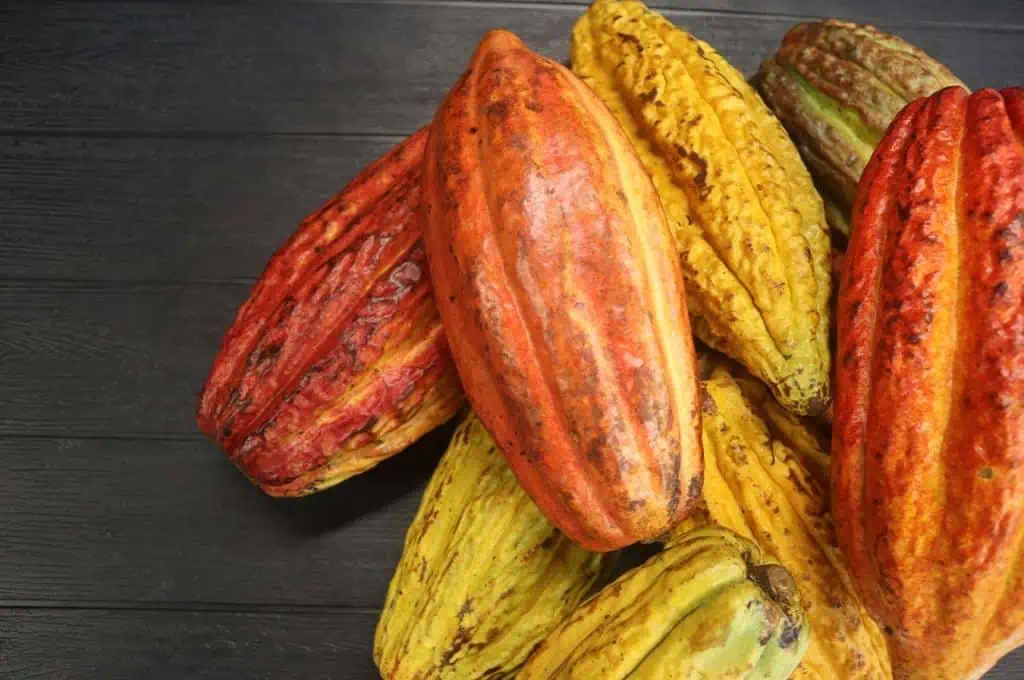
The origins of chocolate lie with the Maya and Aztec civilizations, who revered cacao as a divine gift. Cultivated in the humid rainforests, cacao beans were ground into a thick paste and mixed with water to create a frothy, bitter beverage. This drink was often spiced with chili or vanilla, highlighting its vibrant, earthy tones. For the Maya, cacao was intertwined with mythology and daily life, while the Aztecs saw it as an offering fit for nobles and deities, underscoring its high value and significance.
Chocolate as Ritual: Ceremonial Drink and Currency

In Mesoamerican cultures, chocolate played a pivotal role in rituals and trade. As a ceremonial drink, it was consumed during sacred rites and offerings, believed to connect humans to the divine. Cacao beans also functioned as a form of currency, illustrating their esteemed status. The preparation involved methods that enhanced the sensory experience, pouring from one vessel to another created a desirable froth. This dual purpose in ceremonial use and commerce reveals cacao's profound impact on societal structures and economies.
The Spanish Encounter: Cacao Crosses the Atlantic

The encounter between Spanish explorers and the Aztec empire introduced cacao to Europe. Initially met with skepticism due to its bitterness, Spaniards gradually adapted the drink by sweetening it with sugar from new colonial trades. Transporting cacao across the Atlantic marked the beginning of its transformation. Once solely a product of the New World, chocolate began to evolve into a global commodity, losing some of its original sacredness but gaining new dimensions through European adaptation and craftsmanship.
Sugar, Spice, and Status: Chocolate in Europe

In Europe, chocolate quickly became associated with luxury and sophistication. The addition of sugar, cinnamon, and other spices created a sweeter, more palatable drink, favored by the elite. Chocolate houses emerged in cities like London and Paris, where the beverage was served in ornate settings, fueling its status as a fashionable indulgence. The refinement of processing techniques further established chocolate as a premium product, marking its transition from a ceremonial drink to a symbol of wealth and style in European society.
Industrial Revolution: Luxury Elixir to Mass Production
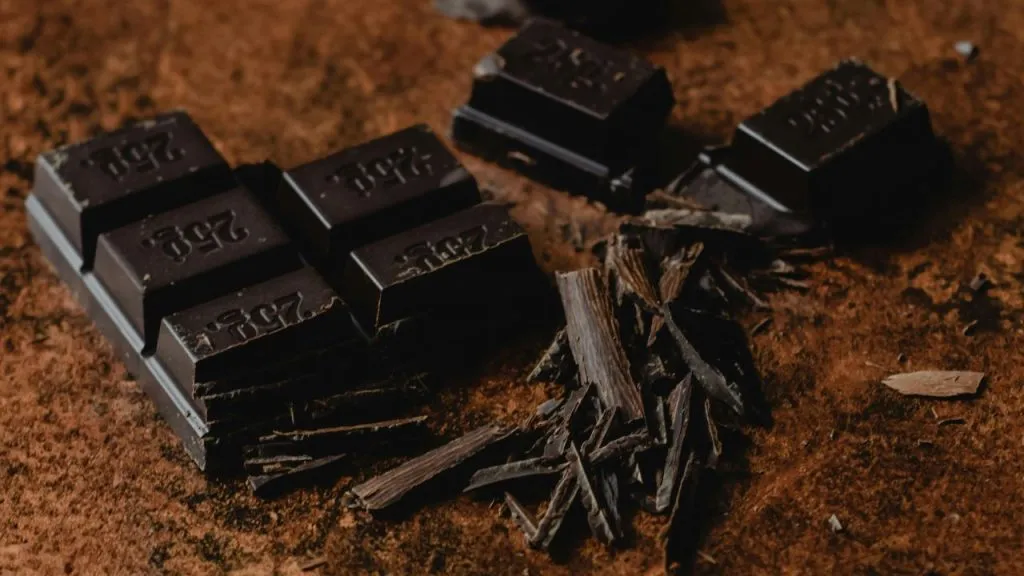
During the Industrial Revolution, advancements in technology turned chocolate from an artisanal luxury into a mass-produced commodity. With innovations like the steam engine and hydraulic press, chocolate was processed more efficiently, reducing costs and making it accessible to a broader audience. The introduction of conching, a method developed by Rodolphe Lindt, refined texture and flavor, creating smoother chocolate. These changes allowed chocolate to transition from a decadent drink to a solid treat, setting the stage for its global popularity.
Milk Chocolate and Global Brands Emerge

The late 19th century saw the creation of milk chocolate, a key development that expanded chocolate's appeal. Pioneered by Daniel Peter and perfected by Henri Nestlé, adding powdered milk to chocolate produced a sweeter, creamier confection. This new variation caught the public's imagination, and major brands like Cadbury and Hershey capitalized on its popularity by producing chocolate for mass consumption. Their marketing and distribution efforts propelled chocolate into the everyday lives of people worldwide, solidifying its status as a beloved staple.
Modern Chocolate: Craft Makers and Ethical Concerns

In recent years, the chocolate industry has seen a resurgence of craft makers focusing on quality and origin. Artisanal chocolatiers prioritize bean-to-bar processes, highlighting unique flavors from different cacao regions. This approach emphasizes sustainability and transparency, responding to growing ethical concerns about sourcing and farming practices. Consumers are now more informed and interested in the ethics behind their chocolate choices, prompting a shift towards fair trade and organic options that appeal to a conscious audience.


