
The Grocery Store Items Americans Are Quietly Stockpiling (And Exactly Why)

By March 11, 2026, a quiet but steady wave of stockpiling has returned to American households. Unlike the panic of the early 2020s, this trend is driven by cold economic logic and the widening war in the Middle East. With global oil prices surging past $120 a barrel this week, shoppers are anticipating a massive spike in transportation-related food costs. Families are no longer just buying for the week; they are building “buffer stocks” to hedge against the double threat of inflation and supply chain disruptions. It is a strategic move to lock in current prices before the next retail hike.
Canned Goods and “War-Ready” Proteins

Canned foods have seen a massive resurgence in March 2026, particularly meat, beans, and starchy vegetables. This is driven by the “War-Ready” mindset as news of the conflict in Iran dominates the headlines. Canned proteins provide a long-term safety net that doesn't rely on a stable power grid for refrigeration. Manufacturers are reporting a 25% increase in bulk-pack sales as consumers move away from glass and plastic toward more durable metal containers. These staples are being tucked away not for immediate use, but as insurance against a potential “prolonged crisis” that could hit domestic shelves by summer.
Flour, Sugar, and Baking Essentials
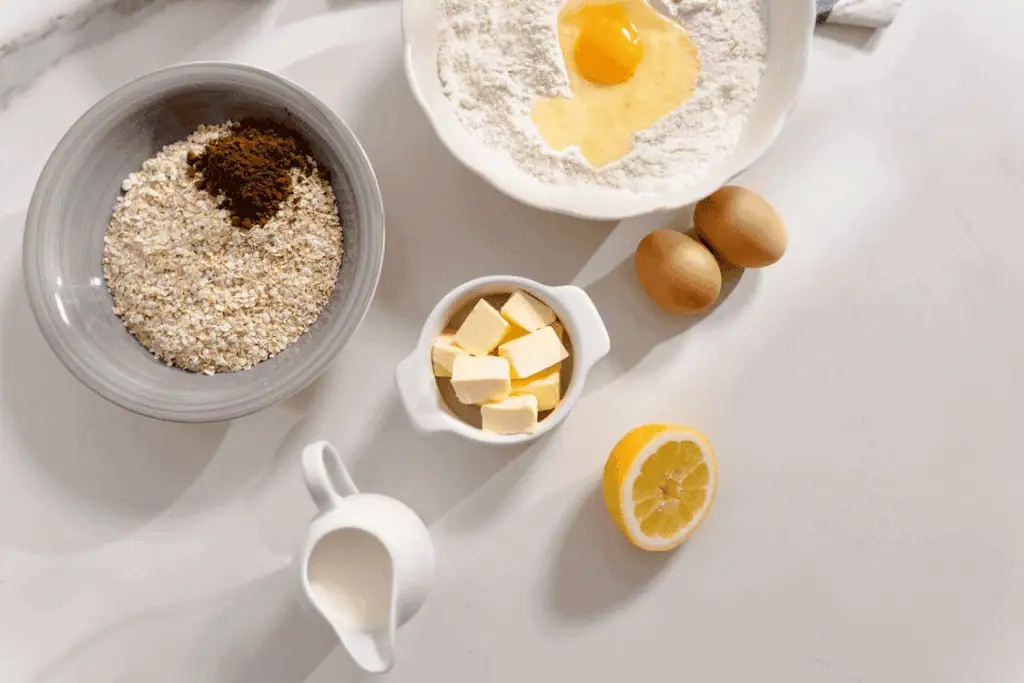
Americans are buying double quantities of basic goods like flour and sugar to avoid the “tariff-related” price hikes expected in 2026. The current administration's trade strategies, combined with rising energy costs for industrial mills, have made these ingredients prime targets for inflation. Stockpiling baking essentials allows households to maintain a sense of normalcy and food security even if pre-packaged bread prices skyrocket. For many, a 25-pound bag of flour represents months of guaranteed sustenance at 2025 prices. It is a return to the “victory garden” mentality, where self-sufficiency is the ultimate goal.
Rice and Grains in Bulk
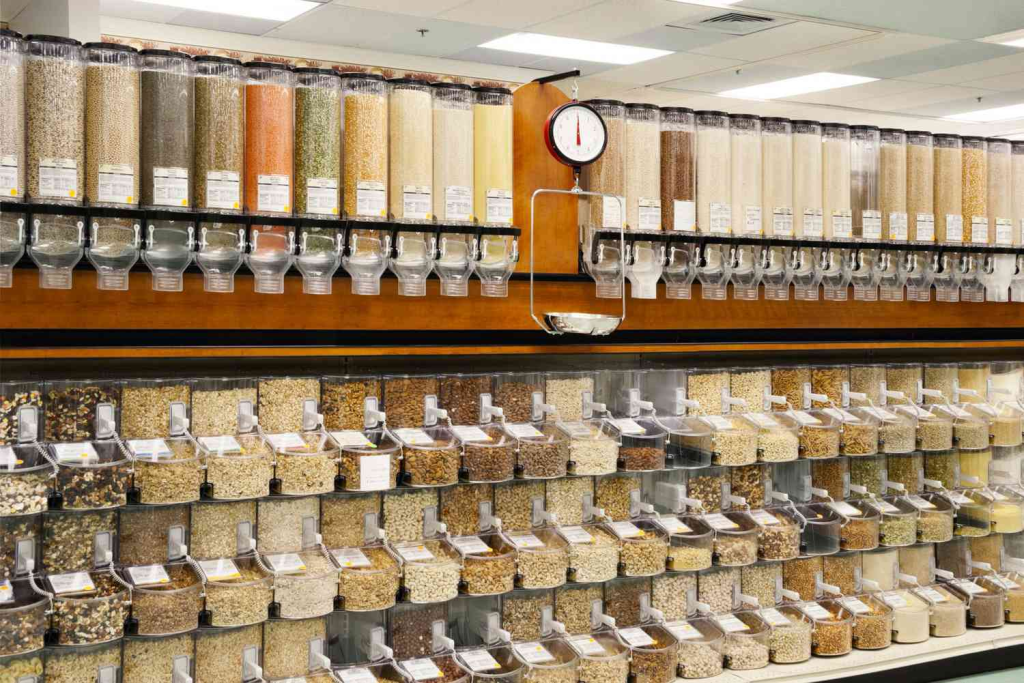
Bulk grains, specifically white rice and oats, are disappearing from warehouse clubs like Costco and Sam's Club this week. These items are the “gold standard” for stockpiling because of their density and incredible shelf life. With shipping routes through the Strait of Hormuz currently under threat, the global logistics for imported specialty grains are becoming increasingly fragile. Shoppers are quietly filling extra-large bins to ensure they have a stable carbohydrate source that can last for years if necessary. This isn't just about hunger; it's a financial hedge against the rising cost of living that is defining the early months of 2026.
Cooking Oils and Long-Life Liquids

The fourth major stockpiling category involves cooking oils and long-life liquids like shelf-stable milk. Since oil and gas prices are “cascading through a range of industries,” the energy-intensive process of refining and transporting oils has made them a high-risk category for price surges. Consumers are grabbing extra jugs of olive and vegetable oil, knowing that these are often the first items to reflect supply chain stress. By securing a year's supply now, families are protecting their grocery budgets from the “volatility” that analysts predict will haunt the markets through the rest of the 2026 fiscal year.


