
The grocery cart has changed: Here’s exactly what Americans are putting in it and why

In March 2026, the way Americans shop has fundamentally changed, driven by a convergence of new health movements and shifting economic realities. While the center-store aisles traditionally dominated the basket, the latest data from Numerator shows a significant migration to the “perimeter” of the store.
This shift is not just about preference; it is being fueled by the influential “Make America Healthy Again” (MAHA) movement and the widespread use of GLP-1 weight-loss medications. From a surge in high-protein snacks to a wary eye on “ultra-processed” labels, the 2026 grocery trip is more intentional, functional, and health-focused than ever before.
The Rise of “Perimeter-First” Shopping
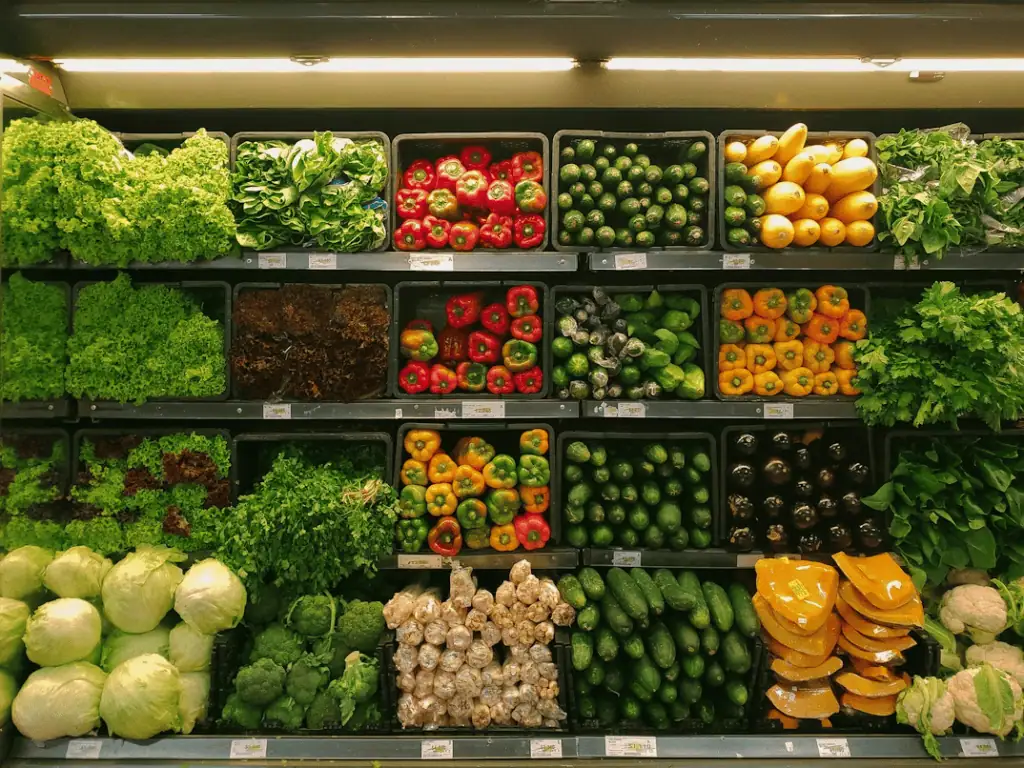
For the first time in years, the edges of the grocery store housing produce, fresh meat, and dairy are seeing higher growth than the inner aisles. Following the 2026 update to the U.S. dietary guidelines, shoppers are prioritizing “whole foods” that offer maximum nutrient density.
Data shows that 78% of consumers now plan to increase their fruit and vegetable intake, while nearly half are buying more fresh meat and seafood. This “perimeter-first” strategy is a direct response to the MAHA movement's push for minimally processed ingredients and a return to traditional fats like butter and whole milk.
“Fiber-Maxxing” and the Gut Health Boom

If 2025 was the year of protein, 2026 is the year of fiber. A new trend known as “fiber-maxxing” has taken over grocery carts, with over 80% of consumers now citing gut health as a top priority. This has led to a massive spike in sales for prebiotic sodas, fermented foods like kefir, and high-fiber snack bars.
Shoppers are increasingly looking for “multifunctional” items that combine fiber with protein to support metabolic health and satiety. This movement is particularly strong among Gen Z and Millennial shoppers who view digestive wellness as the foundation of their overall physical and mental health.
The Impact of “Tariff Mitigation” Strategies
While health is a primary driver, the 2026 economy is forcing shoppers to be more strategic than ever. With global tariffs raising the cost of imported goods, many Americans are “trading down” to private-label brands or “trading out” certain expensive fresh items for frozen alternatives.
Membership clubs like Costco and Sam’s Club have seen a surge in growth as affluent shoppers buy in bulk to offset rising prices. Interestingly, the “frozen pizza” category has become a luxury substitute for eating out, as consumers seek “premium convenience” that still fits within a tightening household budget.
The “GLP-1 Effect” on Basket Composition
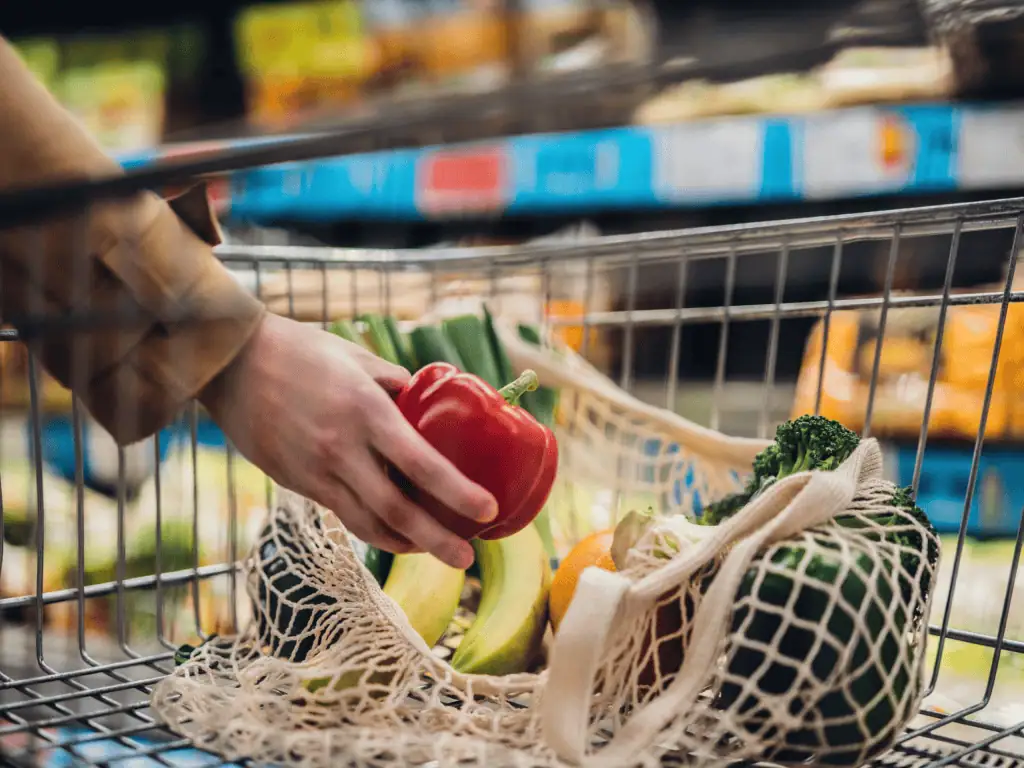
The ubiquity of GLP-1 weight-loss drugs is also reshaping what stays in the cart. Users of these medications are purchasing smaller, portion-controlled packages and gravitating toward hydrating, protein-dense options like protein waters and Greek yogurt. Conversely, traditional “impulse” categories like sugary sodas and ultra-processed snacks are seeing a steady decline.
Grocers are responding by redesigning aisles to feature “grab-and-go” vegetable snacking kits and ready-to-drink protein shakes, catering to a demographic that is eating less overall but demanding higher quality and more functional benefits from every bite.


