
The American Dinner Schedule That Quietly Changed Everything

Dinner in the United States quietly shifted earlier over the past century, becoming a defining but rarely questioned part of daily life. What now feels normal was shaped by industrial work schedules, suburban routines, and school-based family structures. This timing change influenced not just when people eat, but how food is prepared, how families gather, and how restaurants operate. While subtle, the American dinner schedule created ripple effects that continue to shape social habits, health conversations, and even international perceptions of U.S. culture.
How Work Hours Pushed Dinner Earlier

The rise of fixed work schedules played a major role in moving dinner earlier in the day. As factory and office jobs became standard, evenings were reshaped around predictable end times. Families adjusted meals to align with commutes, childcare, and homework, anchoring dinner between late afternoon and early evening. This shift prioritized efficiency and routine, allowing households to complete essential tasks before nightfall. Over time, eating earlier stopped feeling strategic and simply became expected.
The Role of School Schedules and Children
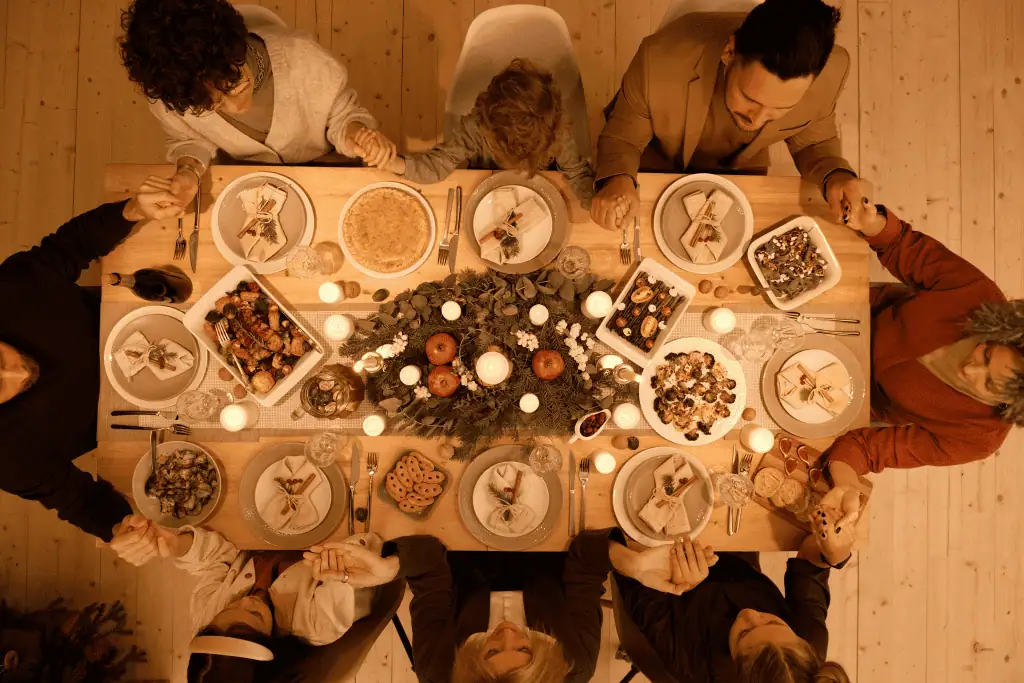
School schedules reinforced early dinners by structuring family life around children’s routines. Homework, extracurricular activities, and early bedtimes required meals to happen sooner rather than later. Dinner became a functional pause between school responsibilities and evening wind-down. This child-centered scheduling influenced generations, making early dinners feel family-friendly and responsible. Even households without children absorbed these norms through broader cultural expectations and shared community rhythms.
How Early Dinners Shaped American Food

Eating earlier reshaped what Americans consider dinner food. Meals shifted toward faster preparation and lighter digestion to accommodate early evenings. One-dish meals, casseroles, and weeknight-friendly recipes gained popularity because they fit time constraints. Restaurants adapted by emphasizing quick service and early rush hours. The result was a food culture designed around predictability and speed rather than long, lingering meals, quietly redefining comfort food itself.
The Impact on Social and Restaurant Culture

An earlier dinner schedule transformed American social life and restaurant behavior. Happy hours moved earlier, dinner reservations filled before sunset, and late-night dining became limited. Compared to cultures where dinner signals the start of socializing, Americans often treat it as the final structured event of the day. This timing influences how social bonds form, favoring short gatherings over extended shared meals, and reshaping nightlife around drinks rather than food.
Why the Rest of the World Notices

Americans often don’t realize how unusual their dinner timing appears internationally. In many countries, dinner begins when Americans are already winding down. Travelers are surprised to find empty restaurants at U.S. dinner hours or full dining rooms late abroad. This contrast highlights how deeply dinner schedules reflect values around work, rest, and social connection. What feels practical at home can seem abrupt or rushed elsewhere.


