
The 12 Restaurant Fads That Once Ruled The Nation And Died Miserbaly

Restaurant history is full of concepts that once felt inevitable. These ideas promised novelty, control, or spectacle at moments when diners wanted something different from traditional sit-down meals. But what worked briefly at scale often collapsed under real-world pressure. Rising costs, slower service, operational complexity, and shrinking patience exposed the cracks. Many of these fads didn’t fail because people hated them, they failed because they were hard to sustain. These once-dominant trends ruled menus nationwide, then faded almost as quickly as they appeared.
Build-Your-Own Everything

Customization once felt empowering. Build-your-own burgers, bowls, pasta, and stir-fry stations gave diners control and the illusion of personalization. In practice, they slowed kitchens, confused customers, and created wildly inconsistent food. Lines stalled as people debated options, staff struggled to execute endless combinations, and quality varied from plate to plate. What began as freedom turned into friction. Over time, restaurants realized that too many choices increased errors, stress, and wait times making the experience worse, not better.
Extreme Portion Restaurants

Oversized portions were once a selling point, designed to impress and encourage bragging rights. Plates arrived piled high, signaling value through volume alone. Eventually, diners grew tired of waste, physical discomfort, and rising prices tied to excess food. As health awareness increased and leftovers lost their appeal, bigger stopped feeling better. What once felt indulgent began to feel careless. Extreme portion restaurants struggled when the novelty wore off, and customers started asking whether massive plates actually justified the cost.
All-You-Can-Eat Buffets
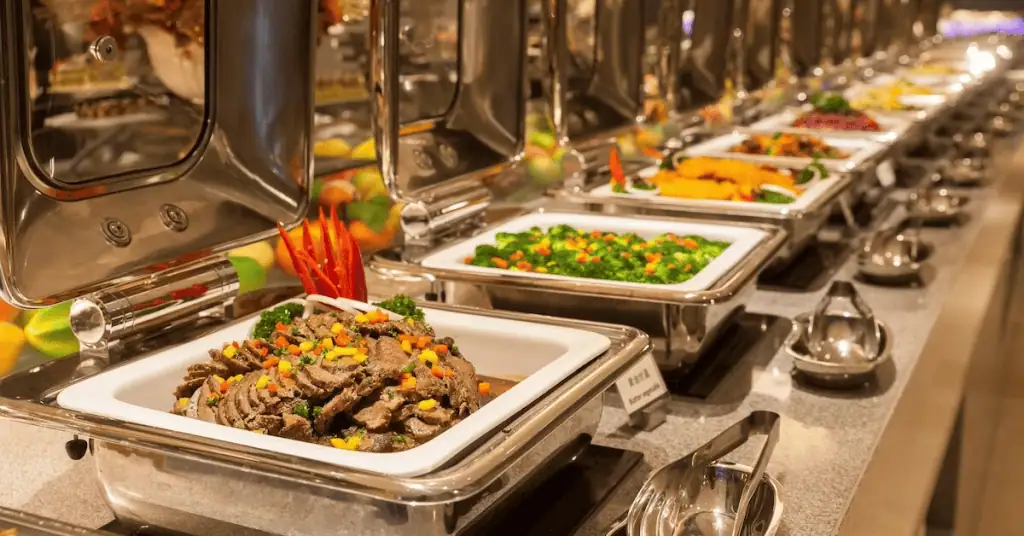
All-you-can-eat buffets thrived on abundance and choice, promising something for everyone. Over time, the model buckled under hygiene concerns, food waste, and rising labor costs. Maintaining quality across dozens of dishes proved difficult, and the experience often felt chaotic rather than generous. Diners became more aware of cleanliness and freshness, especially post-pandemic. What once felt exciting began to feel outdated and inefficient, turning buffets from symbols of value into reminders of a dining era that no longer fit modern expectations.
Gimmick-Themed Restaurants

Theme-first restaurants once felt irresistible. Pirate ships, rainforests, retro diners, and immersive decor promised an experience, not just a meal. The problem was longevity. Once the novelty wore off, the food often couldn’t stand on its own. Repeat visits dropped, while rent, maintenance, and staffing costs stayed high. Diners realized they were paying for atmosphere more than quality. Without a reason to return beyond spectacle, these restaurants struggled to stay relevant, leaving many spaces that felt frozen in time and eventually, empty.
Tableside Cooking Shows

Tableside flambé carts, carving stations, and dramatic cooking displays were once seen as upscale entertainment. Over time, diners grew impatient with the delays. These performances slowed service, disrupted pacing, and raised safety concerns in crowded dining rooms. What was meant to feel luxurious began to feel inefficient. Guests increasingly preferred food that arrived hot, well-executed, and on time rather than waiting through a show. As dining culture shifted toward speed and consistency, tableside theatrics quietly lost their appeal.
Smoking-Heavy Dining Rooms

There was a time when smoke-filled dining rooms were considered part of the atmosphere. Cigarettes, cigars, and food coexisted without question. As health awareness increased and smoking bans spread, that model collapsed quickly. Diners no longer wanted meals that absorbed smoke or spaces that irritated eyes and lungs. What once felt sophisticated began to feel unpleasant and outdated. Restaurants that relied on smoky ambiance struggled to adapt, as cleaner air became a basic expectation rather than a special feature.
Fondue-Only Menus

Fondue restaurants thrived on intimacy and novelty, turning shared pots into a social event. Over time, the format revealed its limits. Meals took too long, required constant attention, and offered little variety beyond melted cheese or chocolate. Shared pots also became less appealing as dining habits shifted toward convenience and personal portions. What once felt cozy and indulgent started to feel impractical for modern schedules. As diners favored flexibility and speed, fondue-only concepts quietly faded from mainstream appeal.
Salad Bars as the Main Attraction

Salad bars were once marketed as the heart of a restaurant, symbols of freshness, abundance, and control. Over time, they became expensive to maintain and difficult to keep visually appealing. Ingredients wilted quickly, waste increased, and constant upkeep required more labor than the model could justify. As diners began expecting cleaner environments and higher-quality produce, the appeal faded. What once felt empowering started to feel dated, and salad bars quietly shifted from main attraction to operational liability.
Novelty Serving Styles

Serving food on shovels, cutting boards, tiles, or unexpected objects once guaranteed attention online. But novelty wore thin fast. Diners grew frustrated with impractical surfaces that spilled sauces, dulled knives, or made eating awkward. Health concerns and cleanliness questions followed. What was meant to feel edgy began to feel gimmicky and inconvenient. Eventually, practicality won. Plates existed for a reason, and customers made it clear that spectacle shouldn’t come at the cost of comfort or function.
Overly Complicated Fusion Menus

Fusion menus initially promised creativity and cultural curiosity, blending cuisines in exciting ways. Over time, many became confusing rather than compelling. Too many influences on one plate made flavors muddy and identities unclear. Diners struggled to understand what the restaurant actually specialized in. Instead of feeling adventurous, ordering felt risky. As tastes matured, people gravitated back toward clearer concepts and focused menus. Fusion didn’t disappear, but unfocused fusion lost its appeal once novelty gave way to expectation.
Mandatory Upsell Experiences

Scripted dining journeys, forced pairings, and required add-ons once felt innovative and premium. Eventually, customers began feeling trapped rather than treated. Being pushed into extras removed agency, especially when pricing wasn’t transparent. Diners want choice, not obligation. What started as an “enhanced experience” became pressure. As value consciousness grew, guests rejected restaurants that dictated how they should eat. Flexibility proved more attractive than performance, and mandatory upsells quietly fell out of favor.
Restaurants Built Entirely Around Trends

Trend-only restaurants rose fast by attaching themselves to whatever was hot: low-fat, extreme protein, single-ingredient obsessions, or viral diets. The problem was durability. Once the trend faded, so did the customer base. These restaurants lacked identity beyond the moment they were built for. Without adaptability or emotional connection, they struggled to survive shifts in public interest. Trends can attract attention, but restaurants built solely on them rarely last once the spotlight moves on.


