
Surprising Sodium Bombs: 5 Juices to Watch Out For

Many assume juices are inherently healthy, but some options conceal unexpectedly high sodium levels. Understanding which juices to be cautious with can help manage sodium intake more effectively. While sweetness is often the focus, it's important to consider savory profiles, particularly for those monitoring their blood pressure or sodium consumption.
Beware of Tomato Juice

Tomato juice, a breakfast staple for some, often contains significant sodium levels due to added salts. Opting for low-sodium versions can significantly cut down on intake. When selecting a tomato juice, check labels vigilantly. Using fresh tomatoes to make homemade juice can also be an excellent alternative, allowing total control over the seasoning while maintaining the rich and vibrant flavor of fresh produce.
V8 Vegetable Juice

V8 Vegetable Juice is popular for its blend of vegetables, yet it's also a common sodium culprit. This juice is enhanced with salt to boost flavor, making it crucial to select low-sodium versions if you're mindful of consumption. Making your own vegetable blend at home offers an opportunity to balance flavor with less salt, using herbs and spices to enhance the natural taste of the vegetables.
Canned Clam Juice

Canned clam juice, a favored ingredient for seafood dishes and cocktails, often packs in a hefty sodium punch. Created through the steaming of clams, the natural briny attributes are often supplemented with salt for preservation. Opting for lesser-used fresh clam broth might lower sodium levels, allowing the dish's other ingredients to shine without compromising on taste or health.
Commercial Celery Juice
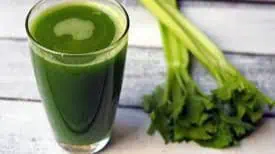
Commercially produced celery juice might surprise some with its sodium content, as natural celery is already fairly salty. Many commercial versions add more salt to enhance flavor. Preparing this juice at home using fresh celery provides a crisp, refreshing drink that retains its natural flavor without unnecessary additives. Experimenting with complementary ingredients like apple or ginger can also balance the profile.
Hidden Salts in Pickle Juice

Pickle juice often surprises many with its high sodium content. While it might seem like a benign ingredient or a novel addition to cocktails, this brine can pack a hefty sodium punch. Pickling requires salt not only to flavor but also to preserve, making the juice particularly dense in sodium. When using it in recipes, consider how it complements or competes with other salty elements. For those managing sodium intake, opting for low-sodium pickles or diluting the juice in recipes can balance flavor without compromising health targets.


