
Servers Say These 7 Dishes Get Sent Back More Than Any Others

Restaurants can update menus, plating styles, and prices, but one pattern rarely changes: the same dishes come back to the kitchen again and again. Servers say this usually isn’t about poor cooking or mistakes. It’s about expectation gaps. Some foods are extremely sensitive to timing, temperature, or personal preference, which makes them risky no matter how skilled the kitchen is. When a dish depends heavily on interpretation, even a technically correct version can disappoint. These returns often happen within minutes, driven by mismatched assumptions rather than actual flaws.
Steak Ordered “Medium”

Steak is one of the most frequently returned dishes, especially when ordered medium. Servers say the problem is definition, not execution. Guests have wildly different ideas of what medium should look like, ranging from rosy and soft to barely pink at all. Even when a steak hits the correct internal temperature, it often comes back labeled overcooked or underdone. Steak returns rarely signal poor quality. They reflect how subjective doneness is, and how confidently diners expect the kitchen to match their personal mental picture exactly.
Eggs With Specific Instructions
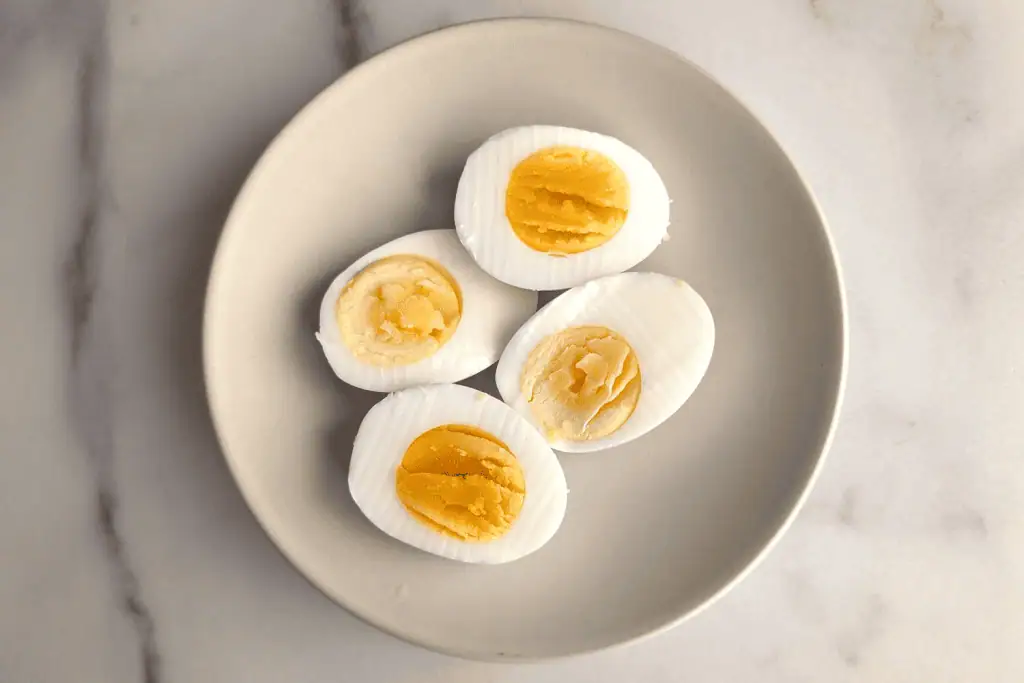
Eggs ordered with detailed instructions are among the most fragile dishes in any restaurant. Requests like “over-easy but not runny” or “soft scrambled but not wet” leave almost no margin for error. A few seconds of extra heat can completely change texture. Servers say breakfast plates are frequently returned because egg doneness is deeply personal and emotionally loaded. What looks perfect to one guest feels wrong to another. Even experienced cooks can’t reliably satisfy conflicting expectations when preferences are that specific.
Seafood, Especially Fish Fillets
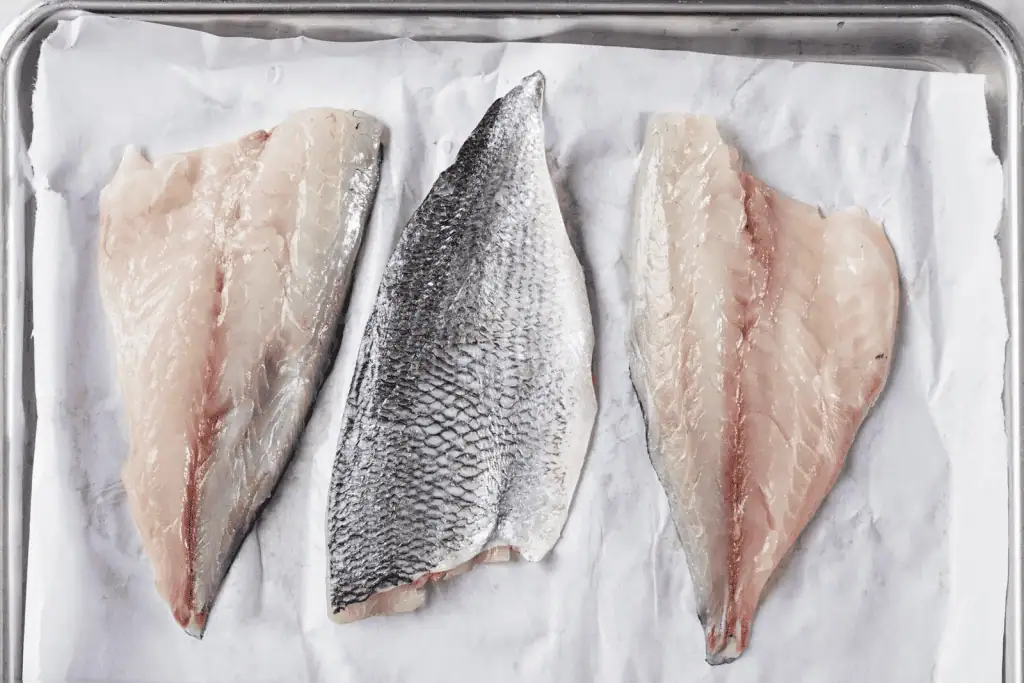
Seafood particularly fish fillets, is another high-risk order. Fish cooks quickly and changes texture fast, making timing critical. Servers say diners approach seafood with higher expectations and less forgiveness than other proteins. When fish is even slightly overcooked, under-seasoned, or simply not what the guest imagined, it’s often sent back immediately. Even well-prepared fish can disappoint because people project strong expectations onto it. The return usually reflects imagination versus reality, not a failure of technique.
Cream-Based Pasta
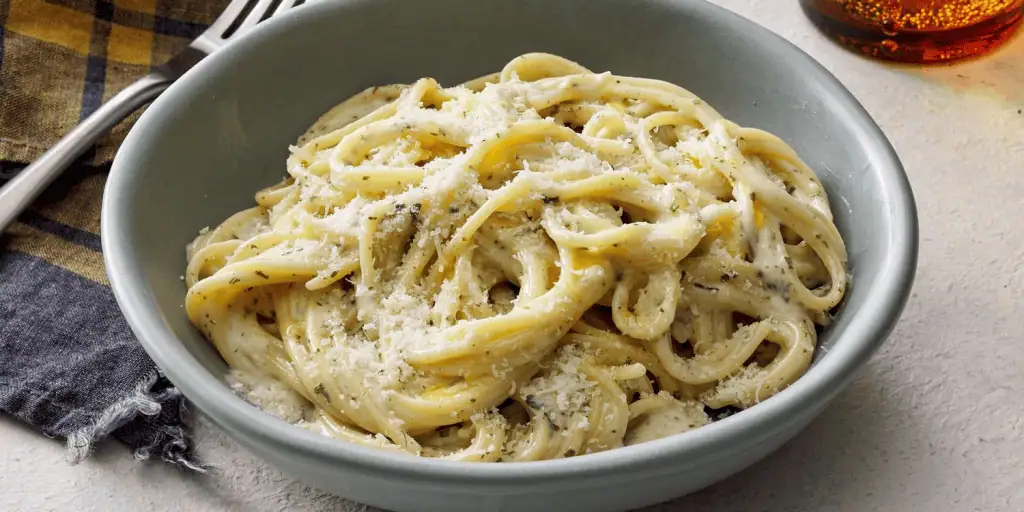
Cream-based pasta dishes are among the most frequently returned items because their texture changes rapidly once they leave the kitchen. As the plate travels, the heat drops and the sauce naturally thickens or begins to separate. Customers often read this as poor execution rather than basic physics. Servers say these dishes come back with comments like “too heavy” or “not what I expected,” especially during busy service when timing stretches. The gap between how cream pasta is imagined and how it actually behaves makes it a consistent risk.
Chicken Dishes
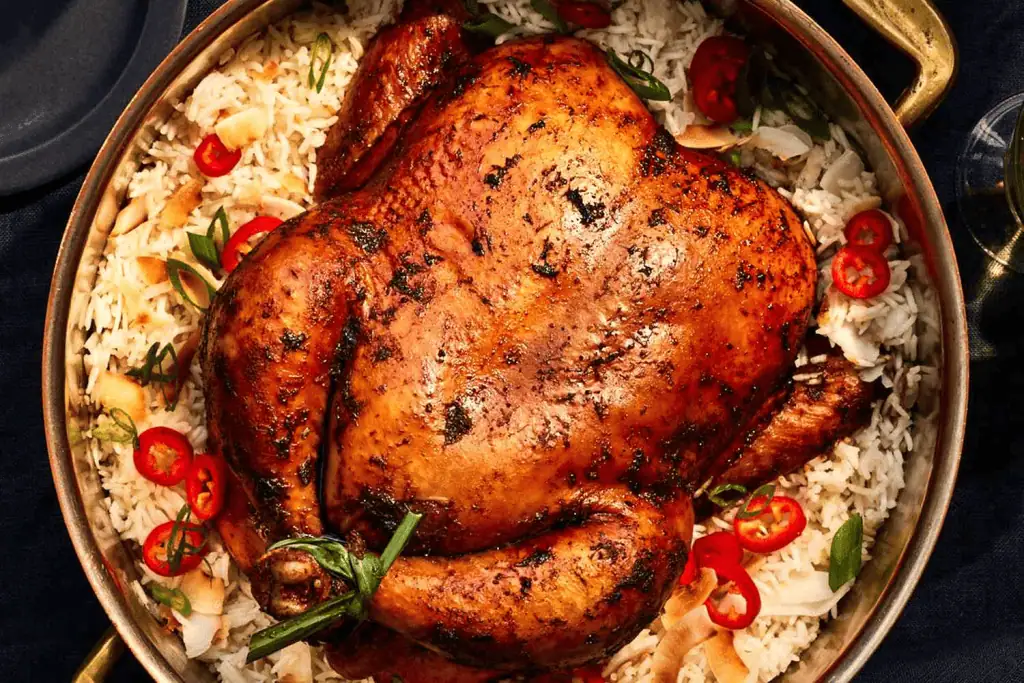
Chicken is returned more often than diners realize because expectations are unusually strict. Guests want it fully cooked but still juicy, tender, and soft, leaving almost no margin for error. Servers say chicken comes back both for being “too dry” and for feeling “not cooked enough,” even when it’s safely prepared. Texture matters more than temperature here, and perception often overrides fact. Chicken is a familiar food, which makes diners more confident in judging it and quicker to send it back if it doesn’t match their ideal.
Anything Labeled “Spicy”

Dishes labeled “spicy” regularly return to the kitchen because spice tolerance varies wildly. Servers say these plates come back for opposite reasons, either overwhelming heat or total disappointment. What the kitchen considers balanced can feel intense to one guest and bland to another. The word “spicy” creates a mental benchmark that menus can’t standardize. Because heat is subjective and cumulative, even well-made dishes struggle to meet expectations. The label invites comparison, which increases the chance that reality won’t align with what the diner imagined.
Dishes With Heavy Truffle Flavor
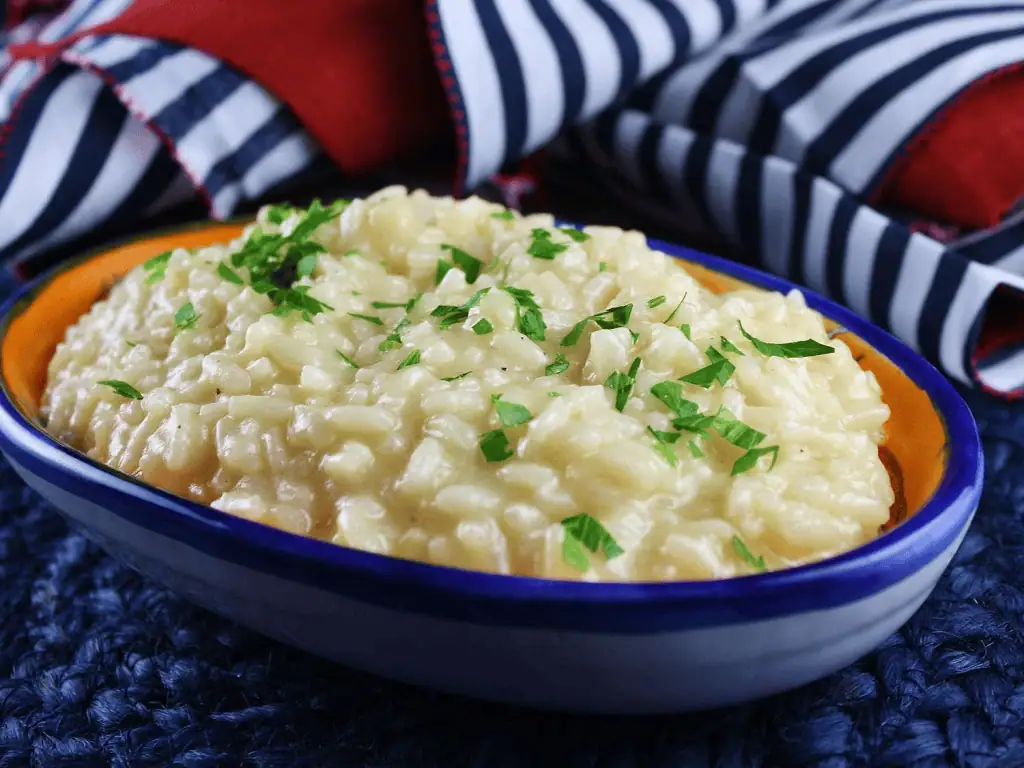
Truffle-heavy dishes are some of the most polarizing items on any menu. Servers say guests often order them out of curiosity, then regret it once the aroma hits the table. Truffle flavor can feel overpowering, earthy, or artificial to people who aren’t accustomed to it, especially when oil is involved. These dishes are rarely met with mild reactions. They’re either loved intensely or sent back immediately. Curiosity drives the order, but unfamiliarity often drives the return.


