
Plant These 15 Fall Veggies in July for a Bountiful Winter Harvest

For a garden that rewards with a robust winter harvest, July is the prime time to plant certain vegetables. By selecting the right varieties, you can ensure a steady supply of fresh produce during the colder months. Focus on hardy, cold-resistant crops suited for fall planting that mature as temperatures drop. This approach not only extends the growing season but also enhances flavors, as many fall vegetables develop sweetness and depth in cooler weather.
Kale: The Hardy Green

Kale thrives in cooler climates, making it a perfect candidate for July planting. Opt for varieties like ‘Winterbor' or ‘Red Russian' which excel in brisk conditions. Plant seeds about a quarter-inch deep in enriched soil, keeping them moist until germination. As they grow, consistent watering and regular harvesting of outer leaves encourage continuous production. The frost doesn't deter kale; instead, it enhances its flavor, creating tender, sweet leaves that elevate salads and sautés alike.
Brussels Sprouts: Little Powerhouses
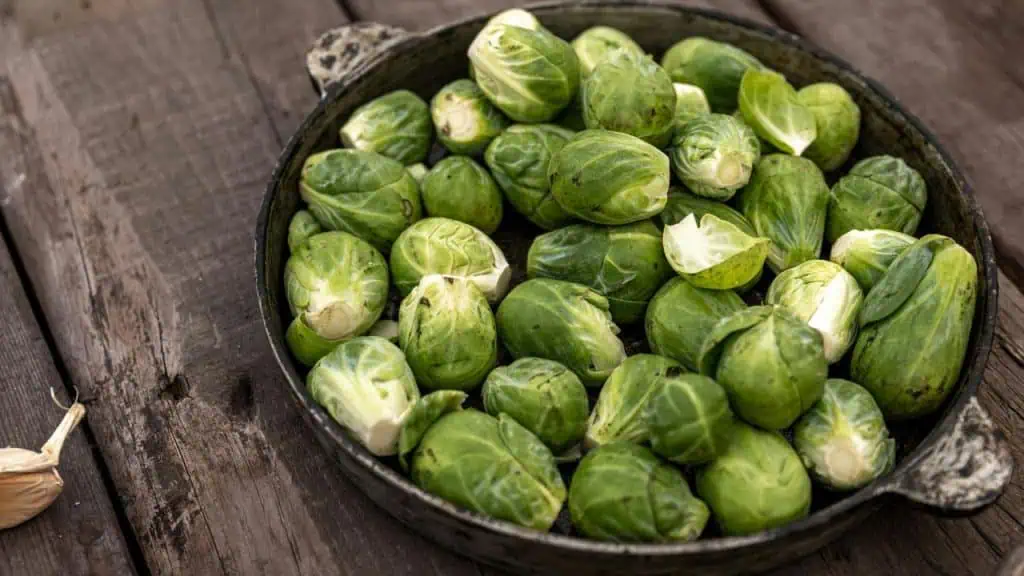
Brussels sprouts flourish when planted in mid-summer. Choose cultivars known for their winter hardiness, such as ‘Long Island Improved'. Transplant seedlings to well-drained soil, ensuring two feet between each to allow for their expansive growth. Regular watering and consistent weeding prevent competition for nutrients. Harvesting can begin once sprouts reach the size of marbles, continuing upward as they mature, offering a nutty crunch that improves with each frost.
Carrots: Sweet and Crunchy

For a winter harvest, select carrot varieties like ‘Napoli' or ‘Bolero', known for their cold tolerance. Sow seeds directly into loose, well-aerated soil, covering them lightly. Maintain even moisture to promote proper root development. As temperatures drop, carrots convert stored starches to sugars, resulting in a pronounced sweetness. Harvest when they're brightly colored and firm, perfect for roasting or adding a crisp bite to seasonal dishes.
Beets: Earthy Goodness

Beets bring rich earthy flavors to the table and are ideal for July planting. Varieties such as ‘Detroit Dark Red' are reliable choices for cooler growing periods. Sow seeds half an inch deep in nutrient-rich soil, spacing them a few inches apart. As beets mature, thin them to avoid overcrowding. Cold weather enhances their sweet, earthy taste, and their vibrant color adds a visual and nutritious boost to both salads and cooked dishes.
Turnips: Versatile Roots

Turnips are a hardy and adaptable crop, perfect for planting in July to harvest in the winter. They thrive in well-drained, sandy soil with consistent moisture, which encourages tender roots and flavorful tops. Select a variety like ‘Purple Top White Globe’ for a classic turnip—a balance of crisp texture and mild sweetness. Thinning seedlings to about four inches apart ensures optimal growth and root development. Roasting turnips brings out their natural sweetness, making them an excellent addition to stews or as a roasted side dish. Utilize both roots and greens to maximize this vegetable’s culinary potential.
Radishes: Quick Growers

Radishes are known for their swift growth, making them ideal for sequential planting. Choose smaller, round types for a quick turnaround or larger, daikon varieties for hearty winter stews. Plant radishes in loose, fertile soil with good drainage, and aim for a spacing of about two inches apart to allow for adequate bulb development. These crunchy vegetables add a peppery bite to salads or can be pickled for a tangy condiment. Their ability to mature swiftly means they’re perfect for staggered plantings, ensuring a continuous supply throughout winter.
Cabbage: Perfect for Slaws
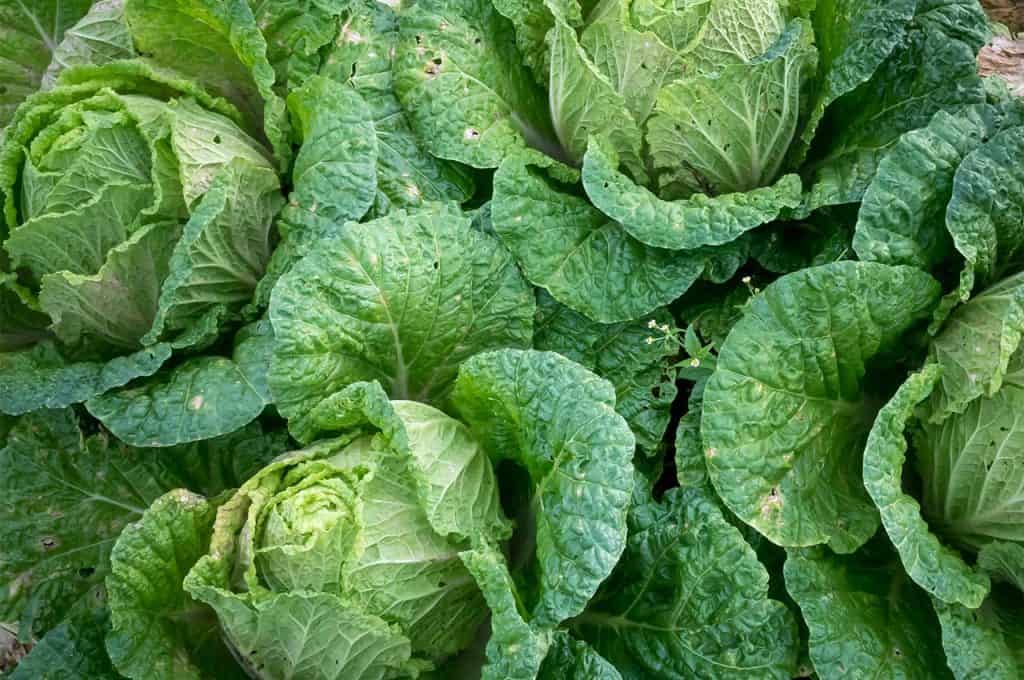
Cabbage, with its dense heads and robust leaves, is a cooling-season favorite, thriving in the chill of fall. Opt for varieties like ‘Savoy’ or ‘Early Jersey Wakefield’ for a good balance of flavor and texture. When planting, provide ample spacing—about 18 to 24 inches apart—to accommodate their spread. Consistent watering is key to developing juicy, compact heads. Cabbage is perfect for crisp, refreshing slaws or fermenting into sauerkraut. Its versatility in both raw and cooked applications makes it a kitchen staple during cooler months.
Broccoli: Nutrient-Rich Florets
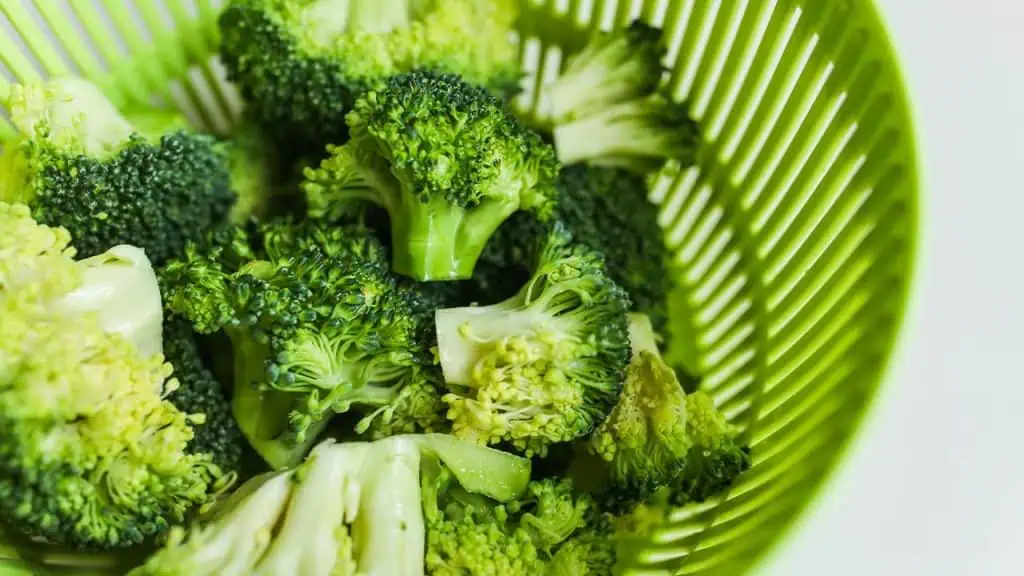
Broccoli thrives in cooler temperatures, making July an excellent time to set up your fall garden for winter harvesting. Opt for a variety like ‘Waltham 29’ known for its cold tolerance and tightly packed florets. Ensure soil is rich in organic matter and remains consistently moist but not waterlogged. Spacing plants about 18 inches apart allows for ample room to grow. Broccoli’s vibrant florets are rich in vitamins and perfect for steaming, roasting, or incorporating into pasta dishes. Harvest while the buds are tight to avoid flowering, ensuring a crunchy, nutritious addition to your meals.
Cauliflower: The White Delight

Cauliflower, with its creamy curds, is a rewarding crop for fall planting. Select a cultivar suited to your climate—‘Snowball’ is a popular choice for consistent yield and tender texture. Plant in well-fertilized soil with good drainage and provide about 18 inches of space for healthy growth. Regular watering and avoiding extreme temperature fluctuations will help maintain quality. For an eye-catching dish, try roasting cauliflower with olive oil and spices until golden, or mash for a healthy twist on traditional sides. Its subtle flavor makes it adaptable to a variety of culinary applications.
Swiss Chard: Colorful and Nutritious
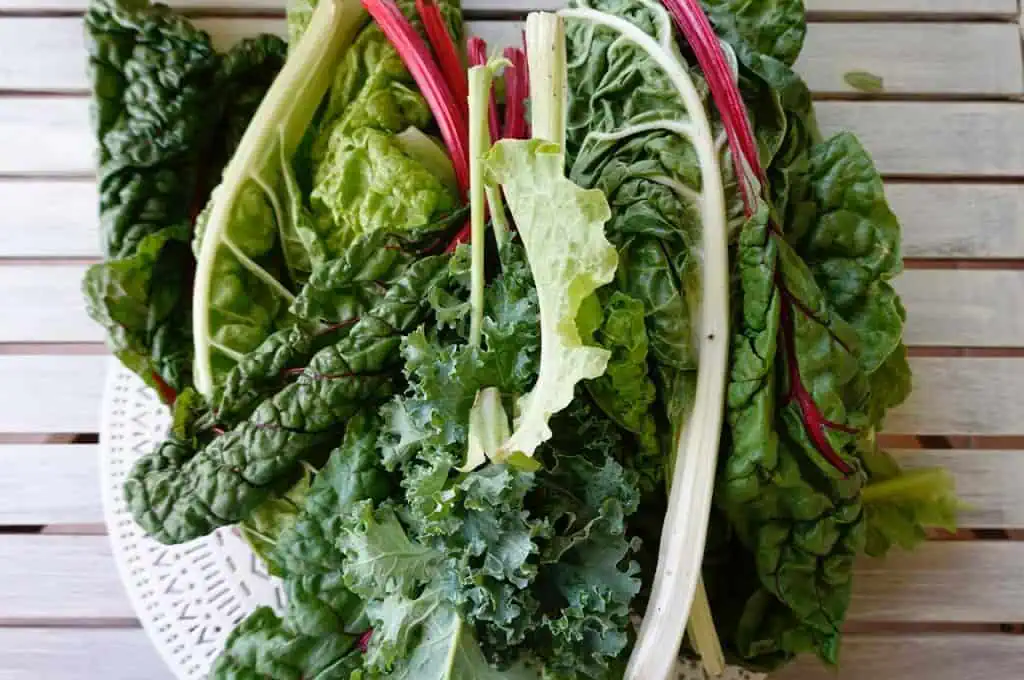
Swiss chard is a vibrant addition to any fall garden, known for its colorful stems and nutrient-rich leaves. When planting in July, ensure the soil is well-drained and enriched with compost. This leafy green thrives in cooler temperatures and is frost-tolerant. Harvest the outer leaves regularly to encourage growth, and savor its earthy flavor by sautéeing with garlic, olive oil, and a touch of lemon. Its versatility makes it perfect for soups, stews, and salads, regularly boosting your vitamin intake.
Parsnips: Sweet Underground
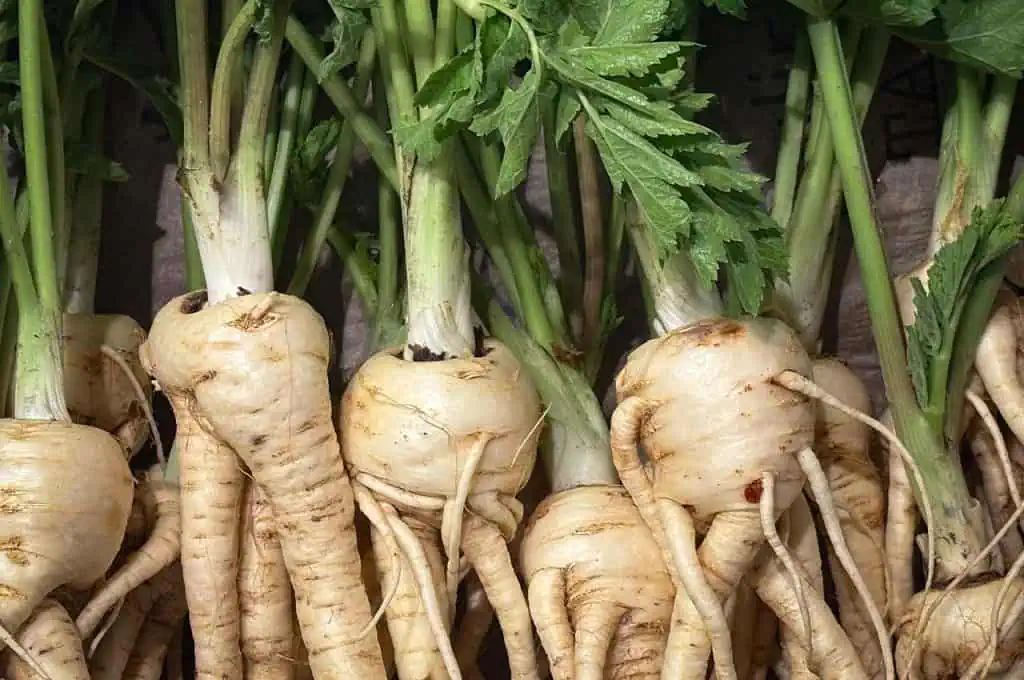
Parsnips deliver a sweet, nutty flavor that deepens after a frost, making them ideal for winter harvesting. To plant these white-rooted vegetables in July, choose a sunny spot with loose, fertile soil. Parsnips require a lengthy growing period, so patience is key. Their sweetness peaks when roasted in olive oil with a sprinkle of thyme, transforming into a caramelized delight. Incorporate them into mashes or stews to enjoy a subtle sweetness that pairs beautifully with root vegetables like carrots and potatoes.
Leeks: Mild Onion Flavor

Leeks offer a subtle, sophisticated onion flavor and are a must for winter soups and stews. Plant in trenches and gradually fill as they grow to blanch the stalks. Well-drained, rich soil is essential for optimal growth. After harvesting, use them in a classic potato leek soup or gently braise to showcase their delicate texture. Their mellow taste complements robust dishes, providing a gentle onion essence without overpowering. With care, leeks will reward your winter table with versatile culinary possibilities.
Spinach: Leafy Green Marvel
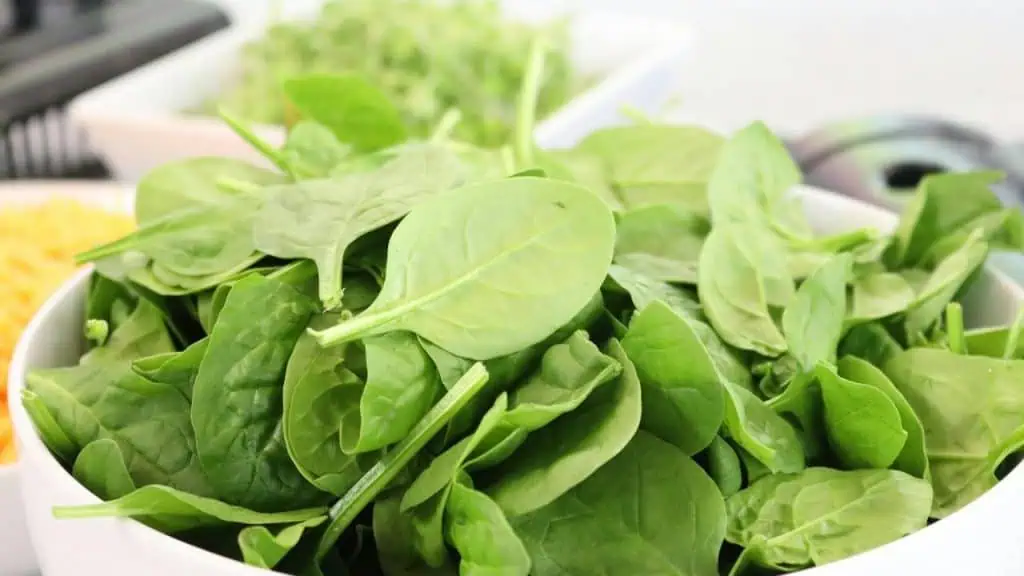
Spinach, with its tender leaves and mild flavor, is perfect for July planting, leading to a hearty winter yield. It thrives in nutrient-rich, moist soil under cool conditions. Spinach grows rapidly, so consistent harvesting encourages continued production. Use raw in salads for a fresh, crisp bite, or sauté to bring out its savory depth. Spinach is an excellent source of iron and vitamins, making it a nutritious choice for a variety of dishes like quiches, pasta, and stir-fries, contributing to a well-rounded winter diet.
Mustard Greens: Spicy and Tangy
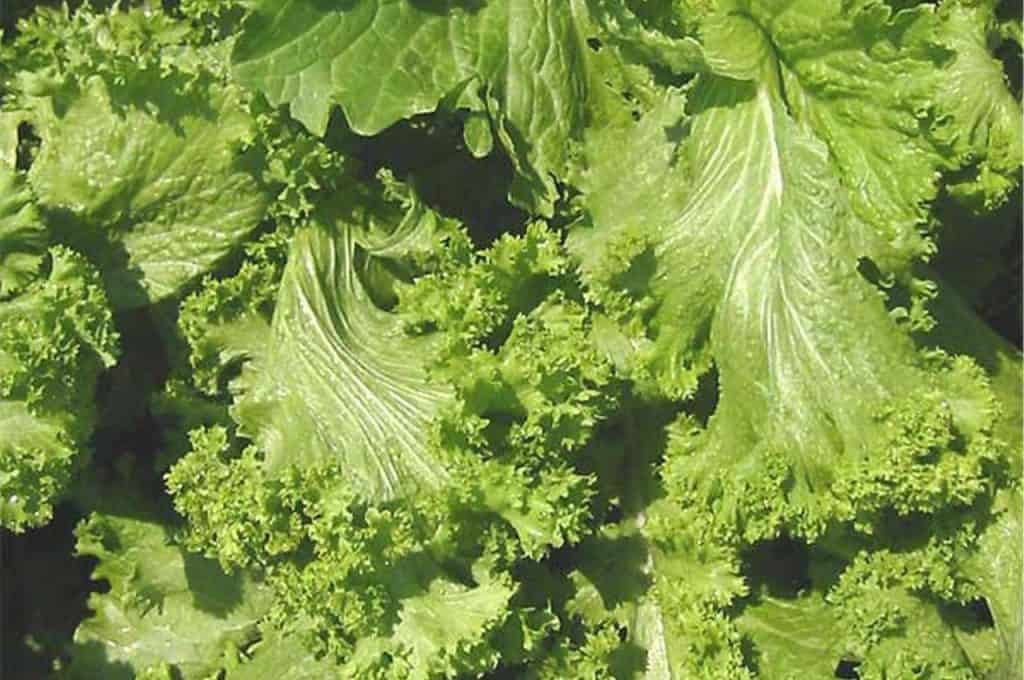
Mustard greens add a spicy, peppery kick to your winter garden and thrive when direct-seeded in July. They prefer cool, moist soil, and regular harvesting enhances their prolific growth. The young leaves have a milder flavor, suitable for fresh salads, while mature leaves bring boldness to sautés and stir-fries. Balance their intensity with sweet ingredients such as apples or pears. These greens are nutrient-dense, providing vitamins A and C, appealing to those seeking a tangy freshness during the winter months.
Bok Choy: Asian Delight
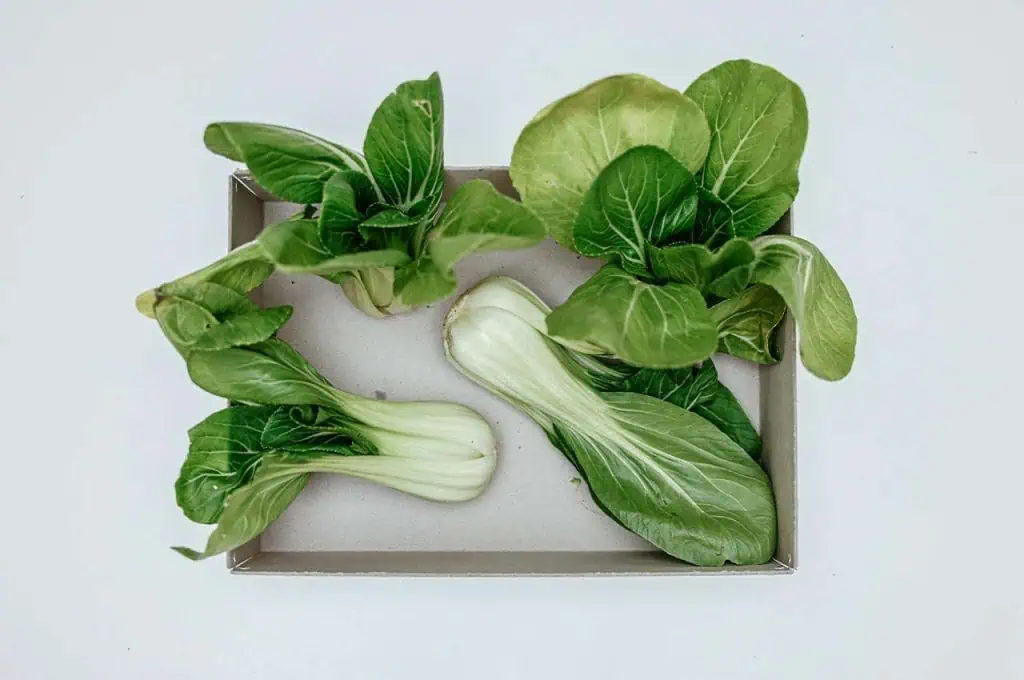
To cultivate bok choy successfully, sow seeds in July for a winter harvest. Choose a site with partial shade and rich, well-drained soil. Keeping the soil consistently moist is crucial for tender, crisp stems. Thin seedlings to about 6 inches apart once they have a few true leaves, allowing ample room for their expansive foliage. Harvest the outer leaves as needed, or pick the entire head when mature. In the kitchen, bok choy is versatile—stir-fry quickly over high heat to retain its crunch, or blanch and toss with garlic and soy for a simple, flavorful side.


