
More Probiotics, Less Effort: 15 Delicious Everyday Sources

Incorporating probiotics into daily meals can be simple and tasty. These beneficial bacteria support digestive health, and you can find them in a variety of delicious, easy-to-prepare foods. This guide highlights practical ways to boost your probiotic intake with everyday dishes. Whether you're a seasoned cook or a beginner, these options are not just healthy—they're effortlessly appealing, offering flavor and texture in every bite.
Yummy Yogurt for Gut Health
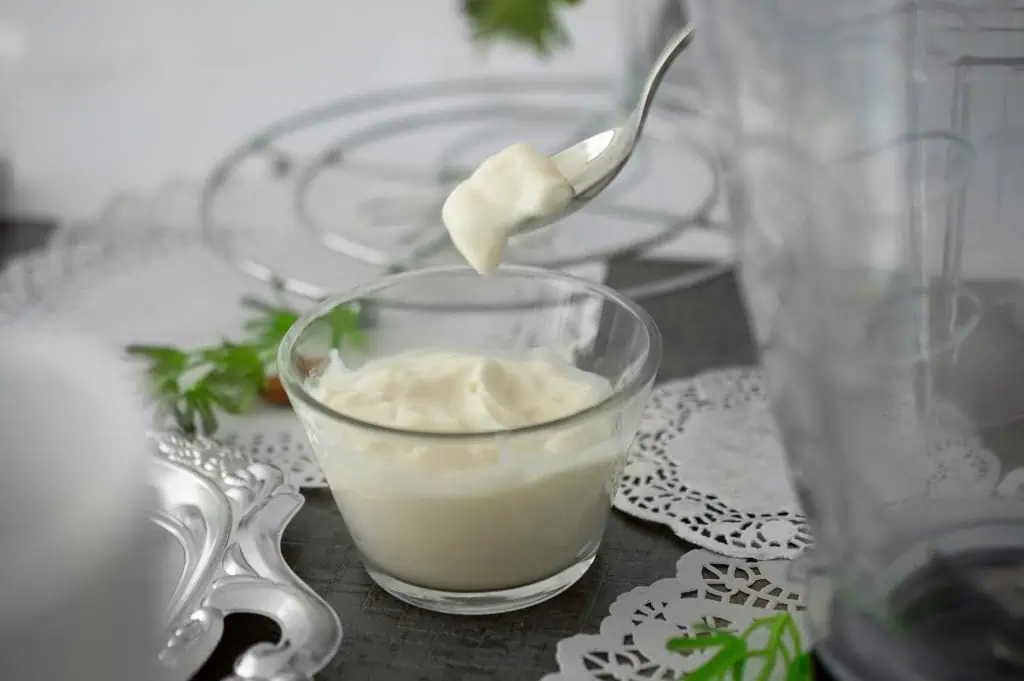
Yogurt is a versatile probiotic-rich food perfect for any meal. Choose plain yogurt with live cultures for maximum benefits. Enhance its creamy texture by pairing with fresh fruits, a drizzle of honey, or crunchy granola. For savory applications, use yogurt as a base for dressings and marinades. Its acidity tenderizes meats and adds depth to sauces, ensuring both taste and health in each serving.
Kefir: Creamy and Tangy
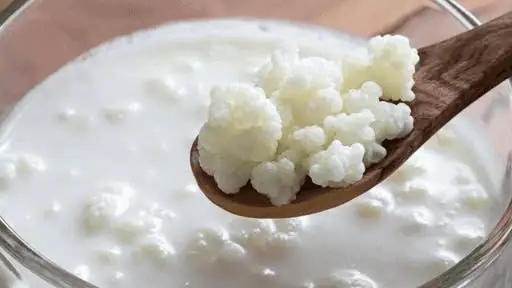
Kefir, a fermented milk drink, delivers a tangy punch along with its probiotic richness. Its thinner consistency compared to yogurt makes it ideal for smoothies or as a refreshing beverage by itself. Blend kefir with berries and spinach for a nutrient-packed smoothie. You can also incorporate it into baked goods, replacing buttermilk to add a subtle tang and tenderness, enriching both flavor and texture.
Sauerkraut: Crunchy and Flavorful
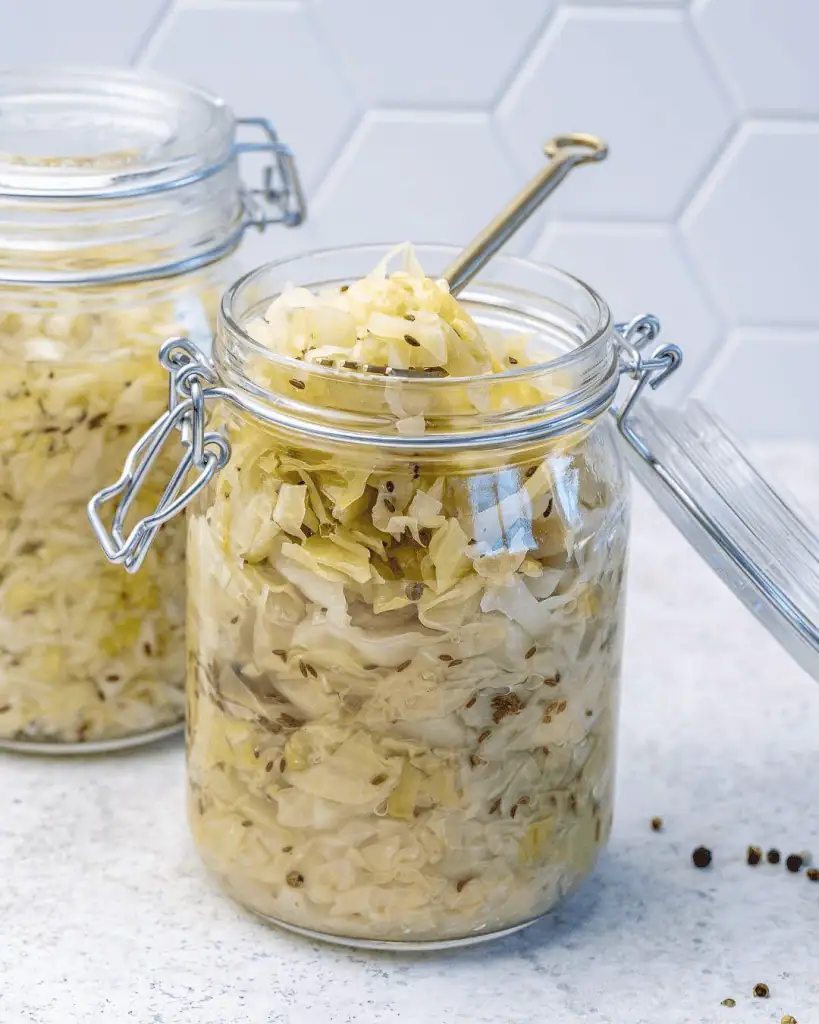
Sauerkraut, made from fermented cabbage, offers a delightful crunch and tang. Opt for raw sauerkraut to preserve its probiotic content. It makes a perfect topping for sandwiches or wraps, adding a zesty zing. For a simple side dish, toss it with shredded carrots and a dash of caraway seeds for enhanced complexity. Its versatility complements a variety of proteins, making it a staple in probiotic cuisine.
Kimchi: Spice Up Your Meal

Kimchi, a Korean staple, brings a spicy kick along with probiotics. It adds depth to any dish with its mix of fermented vegetables and spices. Serve it as a compelling side to complement grilled meats or mix into rice dishes for an enhanced flavor profile. Sauté kimchi with garlic and sesame oil to create a quick, flavorful stir-fry base. It’s not only a culinary adventure but a healthful addition to your meals.
Miso: Umami in a Bowl
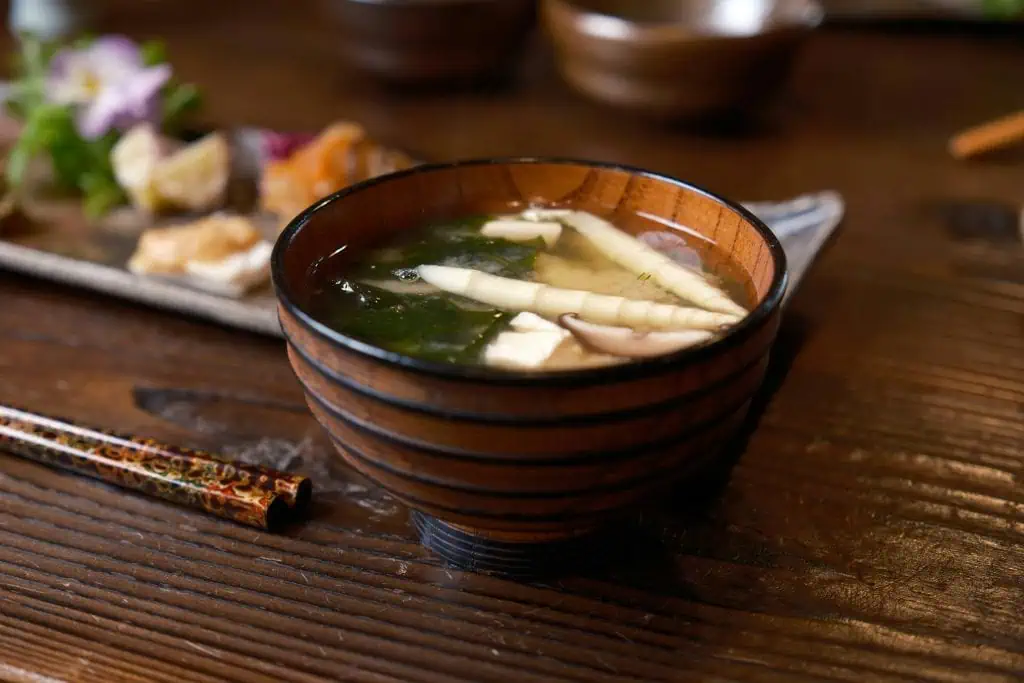
Miso offers a profound umami depth, making it a versatile addition to your probiotic repertoire. Start by selecting a miso that suits your taste—white miso is mild and sweet, while red miso provides a stronger, saltier punch. To preserve its beneficial bacteria, avoid boiling. Instead, dissolve miso into a little warm liquid before adding it to soups or dressings. This technique ensures a silky texture and evenly distributed flavor, enhancing dishes with minimal effort while boosting your gut health.
Tempeh: Protein-Packed Fermentation
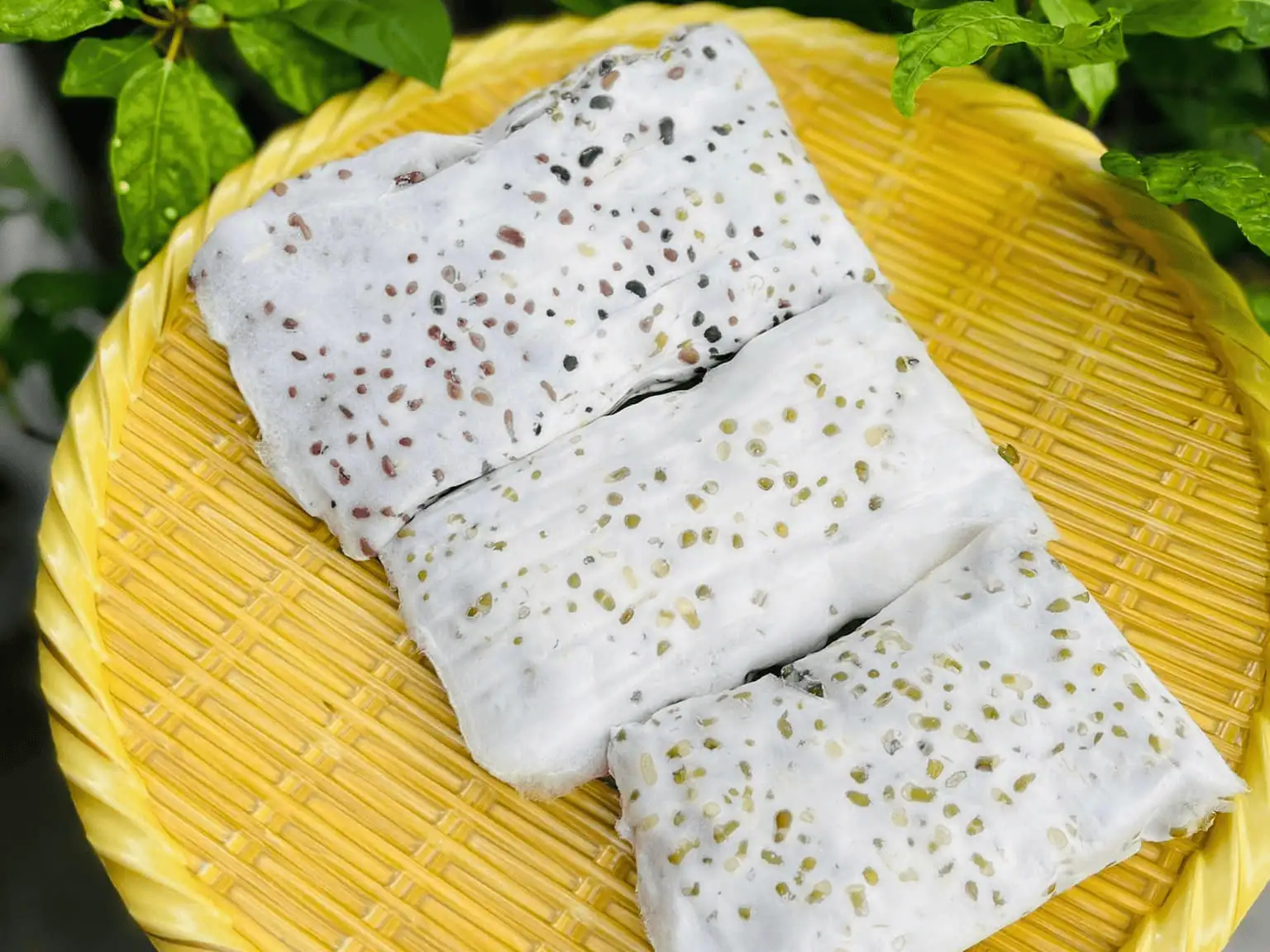
Tempeh is a fermented soybean product offering robust nutty notes and a firm bite, perfect for protein-rich meals. Slice it and steam briefly to mellow its flavor, then marinate to add depth. Grilling or pan-frying tempeh yields a crisp exterior, while maintaining a tender inside. Incorporate it into stir-fries, salads, or tacos. Its fermentation process not only enhances digestibility but also enriches your meals with essential probiotics, making it an ideal choice for varied culinary applications.
Pickles: Tart and Tangy Fermentation

Pickles deliver a satisfying crunch with a bright, tangy zest that invigorates the palate. Use fresh cucumbers or your vegetable of choice and immerse them in a mixture of vinegar, water, salt, and spices. For lacto-fermented pickles, skip the vinegar; let the natural fermentation create a distinct tartness over time. This method preserves the probiotic benefits. Ideal as a side or a garnish, pickles elevate simple dishes, adding not just flavor but also a refreshing burst of healthful bacteria.
Kombucha: Fizzy Gut Booster
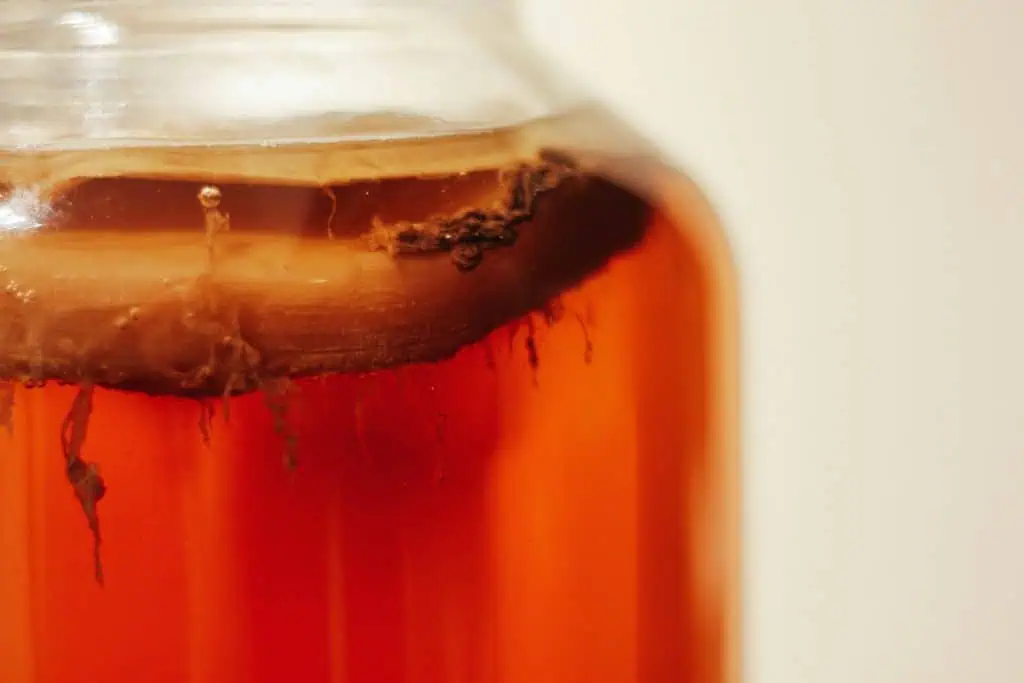
Kombucha is a fermented tea renowned for its effervescent and slightly tangy profile. Brewed from sweetened tea, it’s fermented with a SCOBY (symbiotic culture of bacteria and yeast) that transforms it into a probiotic-rich drink. Allow it to ferment for 7-14 days, depending on your taste preference. Bottling it with fruits or spices can infuse additional flavors and enhance fizziness. Enjoy it chilled as a refreshing daily beverage, providing both a hydration boost and digestive health benefits.
Cultured Buttermilk: Tangy Delight
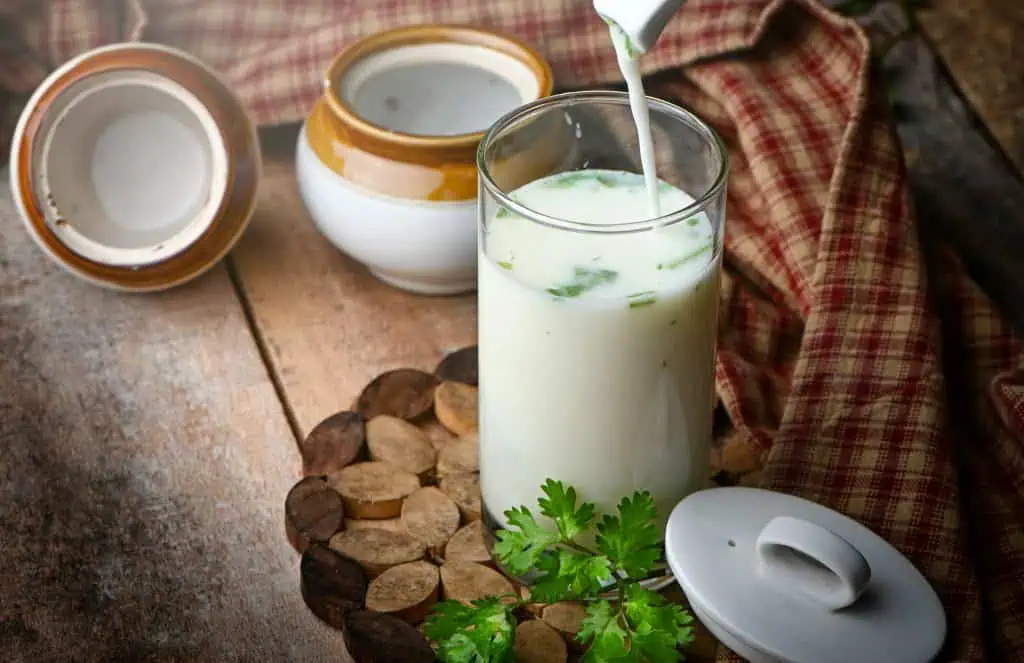
Cultured buttermilk imparts a creamy tang, perfect for baking or marinating. It results from fermenting regular milk with lactic acid bacteria, creating a slightly thicker, probiotic-rich liquid. Use it to tenderize chicken or add fluffiness to pancakes and waffles. Its acidity not only enhances flavor but also improves baked goods’ texture. Keep it chilled and shake well before use to evenly distribute its rich cultures, making it a reliable and versatile staple in any kitchen focused on gut health.
Natto: A Japanese Staple

Natto offers both a unique texture and a remarkable probiotic punch. Crafted from fermented soybeans, its sticky, slightly gooey consistency might be new for some, but hidden within are robust flavors of umami and earthiness. To prepare, gently stir the natto with soy sauce and mustard until the beans become slightly frothy. This activity amplifies its taste and aroma, transforming it into a savory complement for a warm bowl of rice. For an added twist, sprinkle some finely chopped green onions or a sprinkle of sesame seeds. This not only enhances the dish visually but also provides a subtle crunch and freshness.
Cottage Cheese: Creamy Probiotics

Cottage cheese, rich in probiotics, offers a creamy, mild backdrop for sweet or savory additions. Its soft curds and light, milky flavor balance beautifully with fruit like peaches or a drizzle of honey. For a savory approach, blend with chopped chives, black pepper, and a pinch of salt. Use this mixture as a topping on whole-grain toast or add a dollop onto roasted vegetables. When selecting cottage cheese, opt for varieties that specify live cultures on the label to maximize probiotic benefits. Stirring before serving distributes the texture uniformly, ensuring a consistent taste with each bite.
Sourdough: Bread with Benefits

Sourdough’s tangy flavor and chewy crust make it a cherished bread option that also supports gut health through natural fermentation. This process not only breaks down gluten, making it easier to digest, but also cultivates beneficial bacteria. When baking, allow a lengthy rise time for the dough, as this improves flavor and texture. Use a sharp knife to score the top, assisting in the crust development. For a crisp outer layer, bake with a tray of water in the oven to create steam. Pair sourdough with a savory soup or simply enjoy with a slather of butter to fully appreciate its complex taste.
Apple Cider Vinegar: The Mother Lode

Apple cider vinegar, especially when labeled as containing “the mother,” is an excellent probiotic source. Its sharp acidity complements a variety of dishes. Use it to create a vibrant vinaigrette by combining it with olive oil, Dijon mustard, and a pinch of salt and pepper. This dressing livens up greens and brings a tangy kick to salads. For a refreshing drink, dilute a tablespoon in water with a touch of honey and a squeeze of lemon. This not only tempers the acidity but offers a simple way to incorporate apple cider vinegar into daily routines. Always shake well before use to evenly distribute the beneficial compounds.
Probiotic Smoothies: Blend and Go

Incorporating probiotics into smoothies is an easy and delicious approach. Begin with a base of plain yogurt or kefir to provide a creamy texture and enrich with beneficial bacteria. Add ripe fruits like bananas or berries, which infuse natural sweetness and vitamins. For an added nutritional boost, include a spoonful of chia seeds or a handful of spinach. Blend until smooth, adjusting consistency with water or milk as needed. This vibrant mix can be tailored to personal taste, making it a versatile option for breakfast or a quick, nourishing snack. Ensure all ingredients are fresh and stored properly to maximize flavor and probiotic content.
Fermented Cheeses: Gouda Goodness
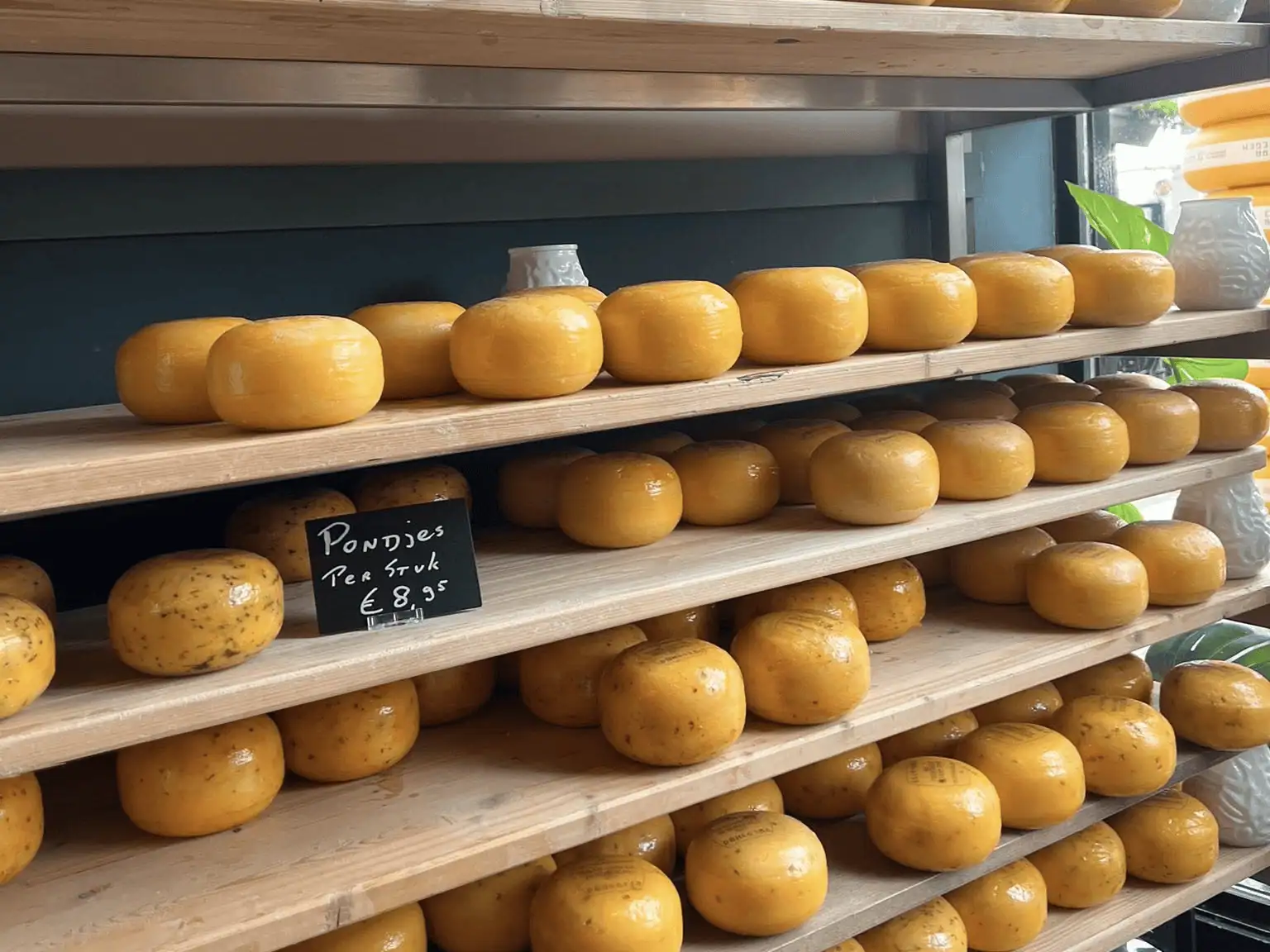
Gouda, one of the most beloved Dutch cheeses, is not only flavorful but also packed with beneficial probiotics, especially when aged naturally. To truly embrace its nutty and caramel-like essence, select a medium-aged Gouda. The firm texture offers a satisfying bite, while the rich, buttery notes enhance any dish. Use a sharp knife to slice it thinly, and pair with whole-grain bread or crisp apples for a delightful contrast. For melting, apply gentle heat to preserve its integrity, making it ideal for topping on gratins or enhancing creamy soups. By incorporating Gouda, you effortlessly add complexity and health benefits to everyday meals.


