
How Americans Ate Through Rationing: 6 Popular World War II Foods

During World War II, American kitchens became sites of creativity and resourcefulness as families navigated strict food rationing. Cooks relied on ingenuity to make the most of limited ingredients, devising new recipes and adaptations that would become iconic of the era. Understanding these foods offers insight into culinary history and demonstrates resilience, focusing on utilizing everyday items in transformative ways.
Spam: The Wartime Meat Staple

Spam, a canned meat product from Hormel, became indispensable during wartime. Its long shelf life, versatility, and protein content made it a key substitute in the absence of fresh meat. Sliced thin and pan-fried for breakfast or diced into stews and casseroles, Spam adapted to countless recipes. To elevate its flavor, cooks often glazed it with mustard or brown sugar, balancing its saltiness and creating a satisfying crust when baked.
Victory Gardens: Homegrown Heroes

Victory Gardens transformed lawns and vacant lots into productive sources of fresh vegetables. Spinach, beans, and carrots thrived as home gardeners supplemented rations, ensuring their kitchens were stocked with nutrient-rich ingredients. These gardens reduced the strain on national food supplies while delivering unparalleled freshness. Harvested vegetables brightened simple dishes like stews and salads, providing vibrancy and a sense of self-sufficiency.
Powdered Eggs: Breakfast's Wartime Ally

Eggs were a precious commodity, leading to the adoption of dried, powdered eggs. Convenient and versatile, they replaced fresh eggs in numerous recipes. By simply mixing with water, cooks recreated familiar dishes such as omelets or scrambled eggs. For baking, powdered eggs provided binding and leavening, allowing cakes and breads to retain their expected textures. This wartime staple was a lesson in adaptability, seamlessly integrating into everyday cooking.
Meatloaf Stretchers: Making Meat Last
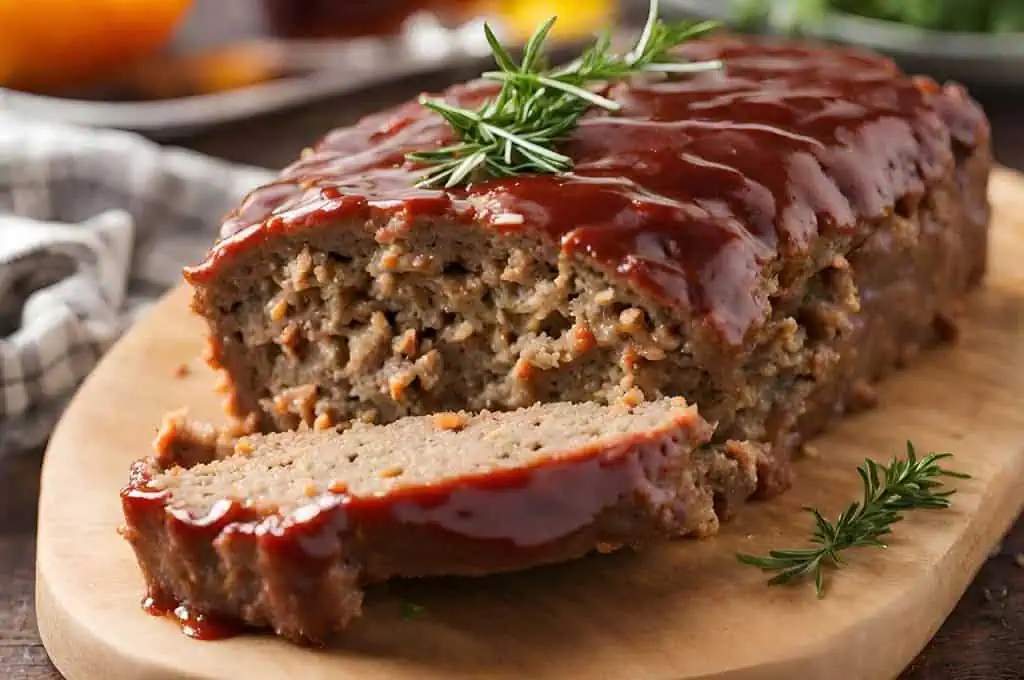
Stretching meat was crucial, and creative cooks incorporated fillers like breadcrumbs, oats, and vegetables into meatloaf. These ingredients increased volume and absorbed flavors, resulting in a hearty dish that satisfied with less meat. Seasoned with herbs, onions, and sometimes topped with a tangy tomato sauce, meatloaf was a clever way to make the most of ground beef rations. Its enduring comfort and practicality make it a timeless favorite.
Oleomargarine: Butter’s Wartime Rival

During World War II, oleomargarine emerged as a crucial substitute for butter, which was in short supply. This margarine, usually made from vegetable oils, provided a versatile ingredient for home cooks. To use oleomargarine effectively, ensure it is properly softened before blending into baked goods to achieve a tender crumb. When frying, its higher smoke point compared to butter makes it ideal for achieving a nice sear on meats and vegetables. Although it lacked butter's rich flavor, adding a touch of salt or a few drops of butter-flavored extract could enhance its depth, making it a more palatable choice for spreads and pastries.
Mock Apple Pie: Dessert Without Apples

Mock apple pie became a dessert staple when apples were scarce. The ingenious recipe uses crackers to mimic the texture of apples. Start by boiling a syrup of sugar, water, lemon juice, and spices—cinnamon and nutmeg work well—to create the filling. Once thickened, pour it over crushed crackers to absorb the flavors. For the crust, a basic pie dough with a mix of oleomargarine and shortening ensures a flaky texture. Bake until golden brown and serve warm to let the spices shine. The surprising tenderness and familiar taste make it a fascinating dessert that captures wartime creativity.
Get the recipe: Mock Apple Pie


