
Greens That Give Back: The Best Vegetables for Everyday Health

Vegetables are nature's pantry of essential nutrients, offering an array of health benefits in every bite. In this guide, we delve into some of the most potent greens that support everyday wellness. These vegetables enhance dishes with their flavors and textures while contributing significantly to a balanced diet. Discover how incorporating them into your meals can improve your culinary repertoire and health.
Spinach: The Iron Powerhouse

Spinach stands out for its rich iron content, playing a crucial role in oxygen transportation and energy production. When preparing spinach, quick blanching helps preserve its vibrant green hue and nutrients. This leafy green is versatile—use it in salads, sautés, or as a base for smoothies. A squeeze of lemon juice not only brightens the flavor but also boosts iron absorption through its vitamin C content.
Broccoli: A Cruciferous Champion

Broccoli is a cruciferous vegetable acclaimed for its high levels of vitamin C, fiber, and potent antioxidants. For optimal texture and nutrition, steam broccoli until vibrant green and tender-crisp. It's a perfect addition to stir-fries or pasta dishes. Roasting at high temperatures caramelizes its natural sugars, adding depth and a nutty flavor. Pair with garlic and olive oil for a simple, healthful dish.
Kale: The Nutrient Titan
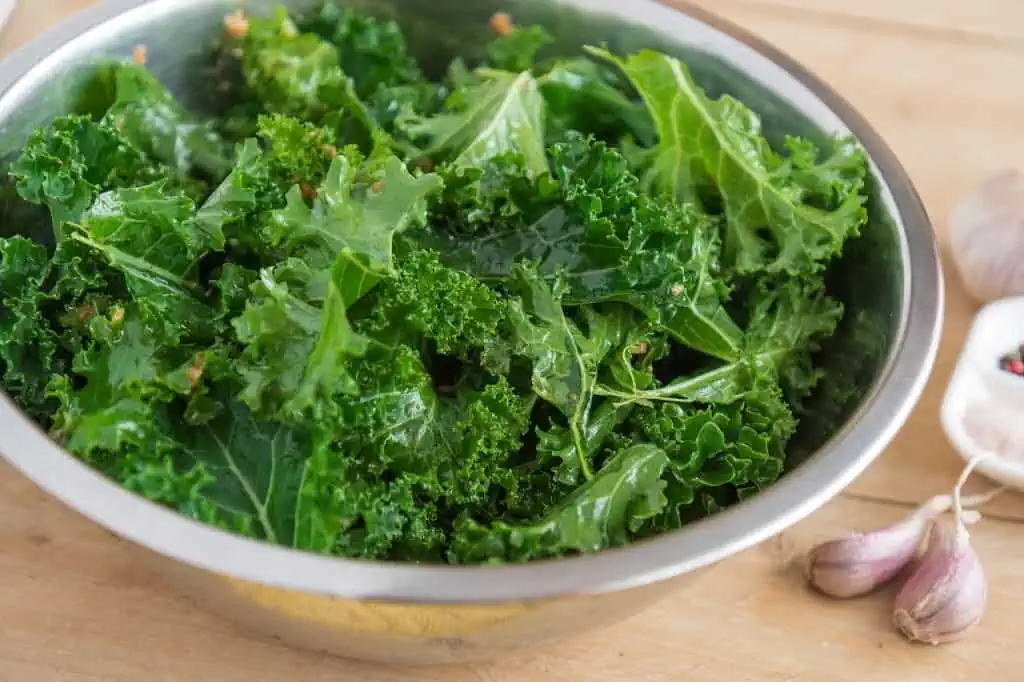
Kale is renowned for its density of vitamins A, K, and C, alongside calcium and fiber. Removing the tough stems and massaging the leaves with a touch of oil improves texture and flavor. Use kale raw in salads, or sautéed with garlic for a nutrient-rich side. Its hearty nature allows it to hold up well in soups or stews, where it can add both substance and flavor.
Garlic: Flavor with Benefits
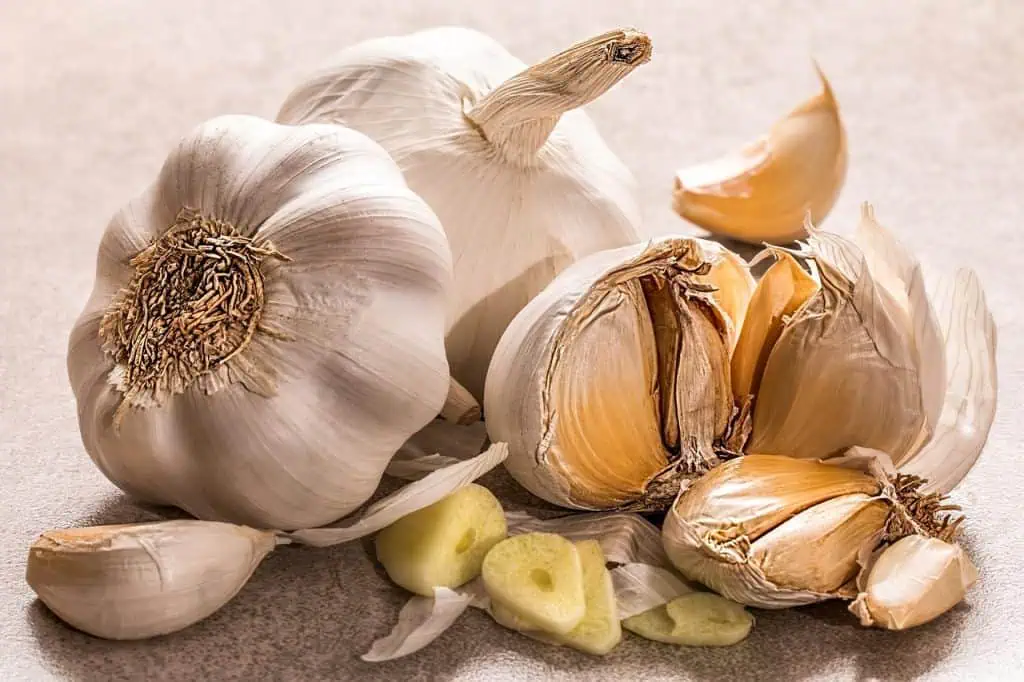
Garlic is a culinary staple that brings robust flavor and health benefits, including potential heart health improvements and immune support. Crush or chop garlic and let it sit for a few minutes to enhance its beneficial compounds. Lightly sautée in olive oil to soften its intensity, allowing it to complement a wide range of dishes. Garlic can transform everything from marinades to roasted vegetables with its pungent aroma and taste.
Cucumber: Hydration Hero

Cucumbers are a refreshing staple, primarily composed of water, making them excellent for hydration. When selecting cucumbers, aim for firm, dark green specimens without soft spots. To enhance their natural crispness, slice them thinly and soak in ice water for 15 minutes before serving. Incorporate cucumbers into salads for a cooling touch or infuse them in water with lemon slices for a subtly flavored drink. Their mild flavor pairs well with a pinch of sea salt and a dash of vinegar for a light pickling effect.
Swiss Chard: Rainbow of Nutrients
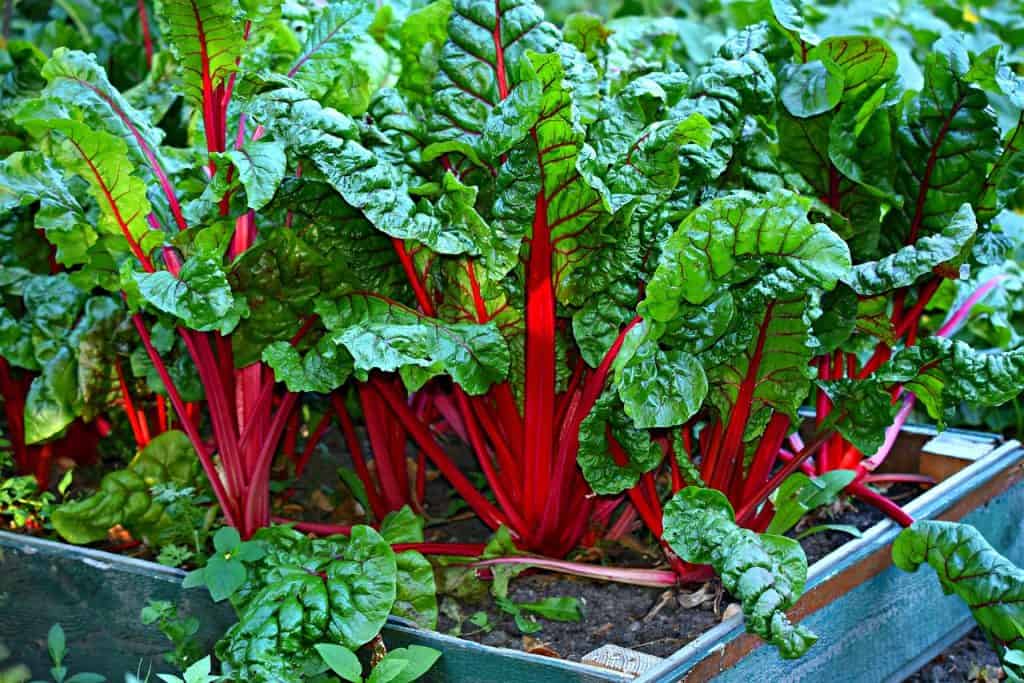
Swiss chard offers a vibrant palette, boasting essential nutrients like vitamins A, C, and K. Its earthy stems and tender leaves cook beautifully together. Begin by sautéing the chopped stems with garlic in olive oil until slightly softened, then add the leaves for a final, quick wilt. This method preserves their vivid colors and nutrient density. Use chard as a base for warm salads, or blend into smoothies for a nutrient boost. The slight bitterness is balanced by adding sweet or acidic elements, such as balsamic vinegar or dried fruits.
Onions: Layers of Goodness
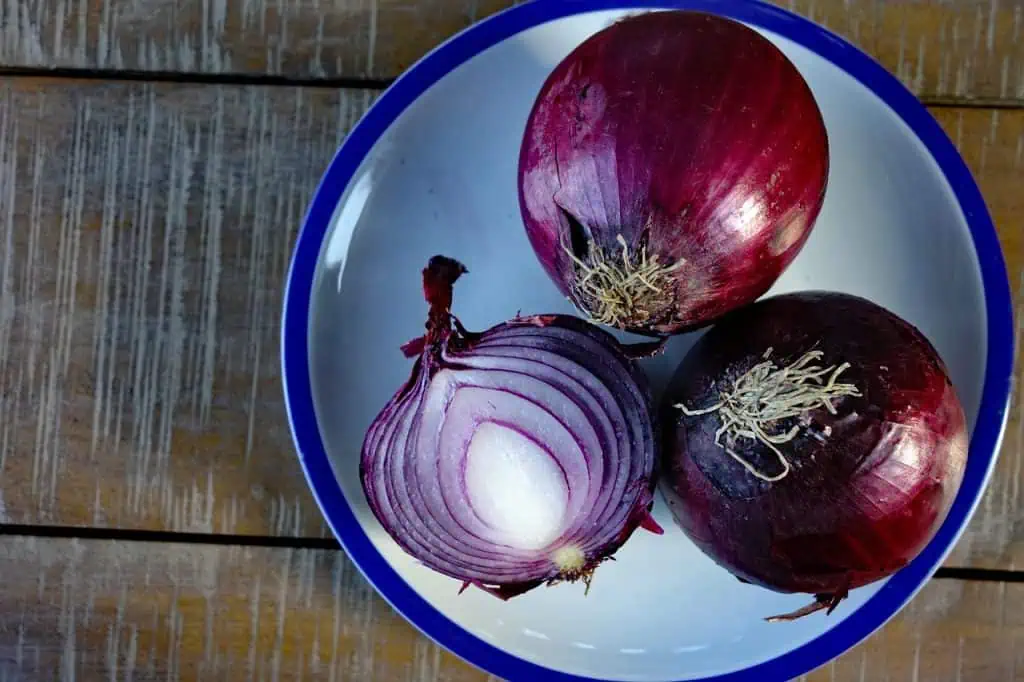
Onions, available in a variety of types such as sweet, red, and yellow, are a versatile pantry staple. Their caramelization unlocks a natural sweetness, perfect for adding depth to dishes. To caramelize, slice onions evenly, cook slowly over low heat in butter or oil, stirring occasionally until golden brown. This process can take 20-30 minutes but rewards with rich, complex flavors that boost everything from soups to sautés. Preserve their sharpness in raw preparations like salsas by soaking sliced onions briefly in cold water.
Parsley: More Than a Garnish
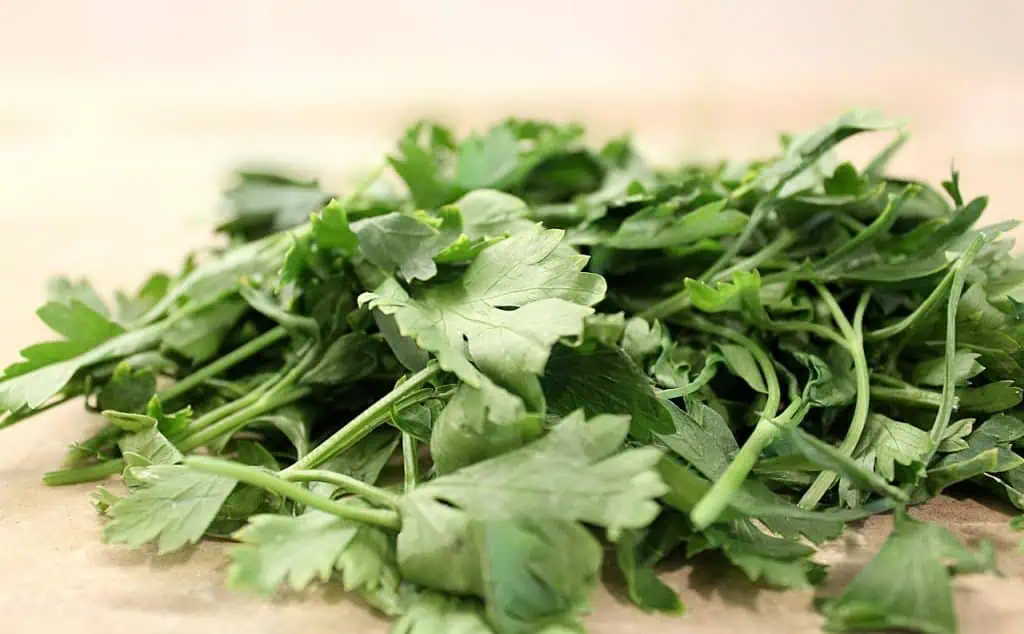
Parsley often sits on the sidelines, but its bright, peppery flavor deserves center stage. Rich in vitamin K and antioxidants, it adds freshness and vibrancy to dishes. Use both the leaves and stems; finely chop and incorporate into salads, pastas, or tabbouleh for a burst of green. Make a versatile chimichurri by blending parsley with garlic, vinegar, and olive oil. To maintain its vivid color, add parsley at the end of cooking. This method preserves the integrity of its fresh flavor and nutritional potency.
Brussels Sprouts: Mini Nutrient Bombs

Brussels sprouts pack a punch with their dense supply of fiber, vitamins C, K, and antioxidants. Choose compact, bright green heads for the best quality. To roast, halve them and toss with olive oil, salt, and pepper, arranging cut-side down on a baking sheet. Roast at 400°F until crispy and caramelized. This method enhances their natural sweetness. Finish with a squeeze of lemon or a sprinkle of Parmesan for a savory touch. For a varied texture, try shaving raw sprouts into thin ribbons for salads.
Arugula: Peppery Health Boost
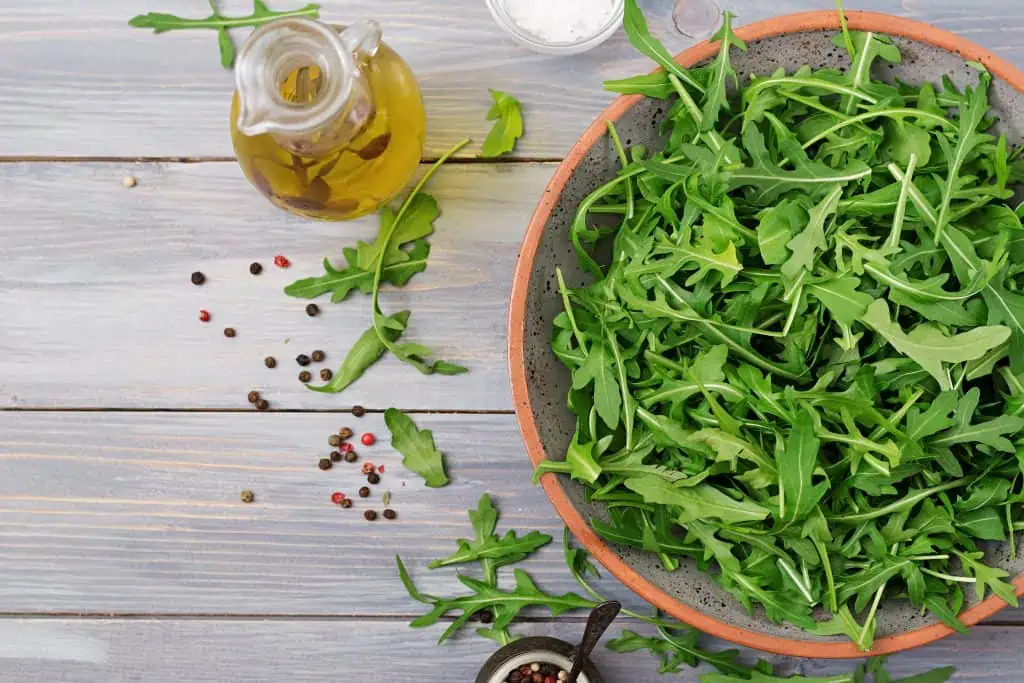
Arugula, with its distinct peppery bite, is a powerhouse in any health-focused kitchen. This leafy green is rich in vitamins A, C, and K, which support immune health and bone strength. To enhance its flavor, pair arugula with a squeeze of lemon juice and a drizzle of quality olive oil. This simple dressing allows its natural spiciness to shine. Toss it with nuts, such as walnuts or pine nuts, for added texture, or use it as a fresh topping on pizzas and flatbreads. For best results, choose young arugula leaves, which are tender and less bitter, ensuring each bite is both nutritious and invigorating.


