
From Plate to Post: How Instagram Changed the Food World

Once, food was meant to be eaten now, it’s meant to be photographed first. Instagram has revolutionized how people experience and interact with food, shifting the dining table into a digital stage. From perfectly styled brunch shots to viral recipe videos, the platform has blurred the line between cuisine and content. In just over a decade, it’s redefined what it means to “eat with your eyes first,” influencing restaurants, chefs, and even what ends up in your grocery cart.
The Rise of Food Aesthetics
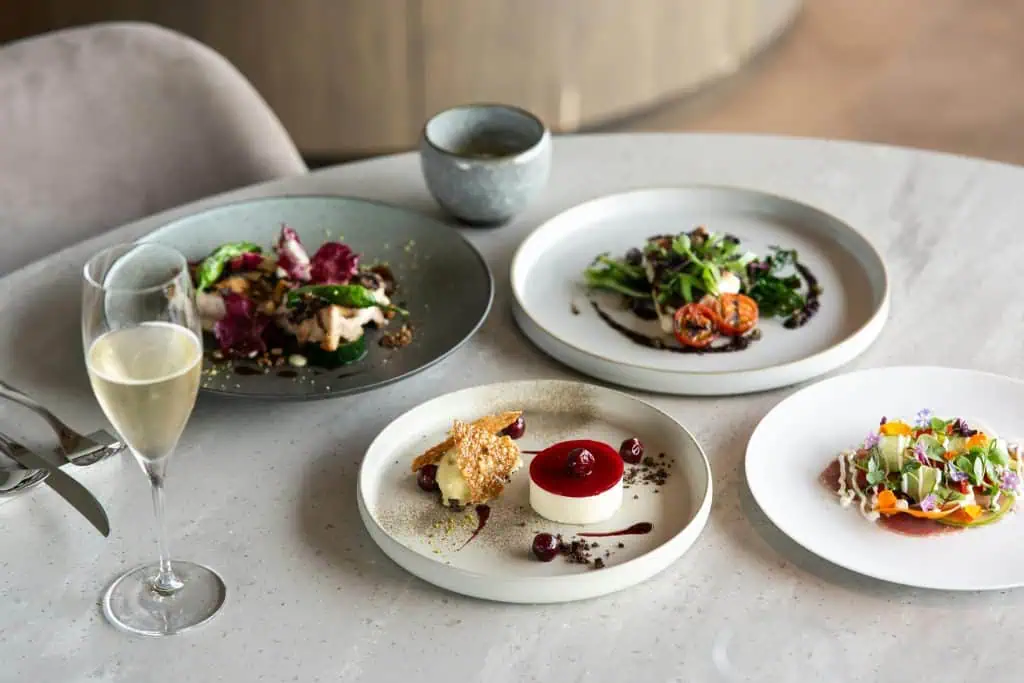
Before Instagram, food photography was largely confined to cookbooks and magazines. Today, anyone with a smartphone can be a food photographer. Bright lighting, vibrant colors, and overhead shots have become the universal language of digital dining. The term “Instagram-worthy” now shapes how restaurants design dishes, think stacked pancakes, latte art, and rainbow-colored smoothies. According to marketing studies, over 60% of diners say they’ve chosen a restaurant based on how good its food looks online. Aesthetics have become as important as taste.
Chefs as Influencers
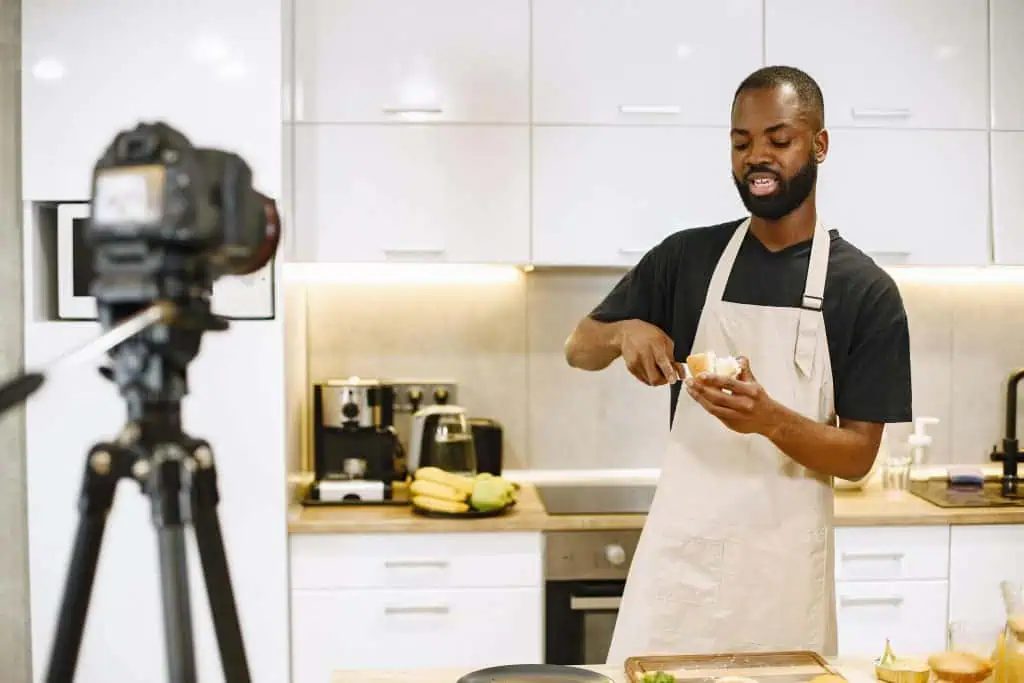
Instagram has also transformed chefs into global personalities. Culinary stars like Massimo Bottura, Dominique Crenn, and David Chang reach millions through posts that blend artistry with authenticity. Even home cooks have found fame by sharing quick recipes and behind-the-scenes kitchen moments. This new form of food celebrity breaks barriers, allowing anyone passionate about cooking to build a following and share their creations directly with the world no TV network required.
The Restaurant Revolution
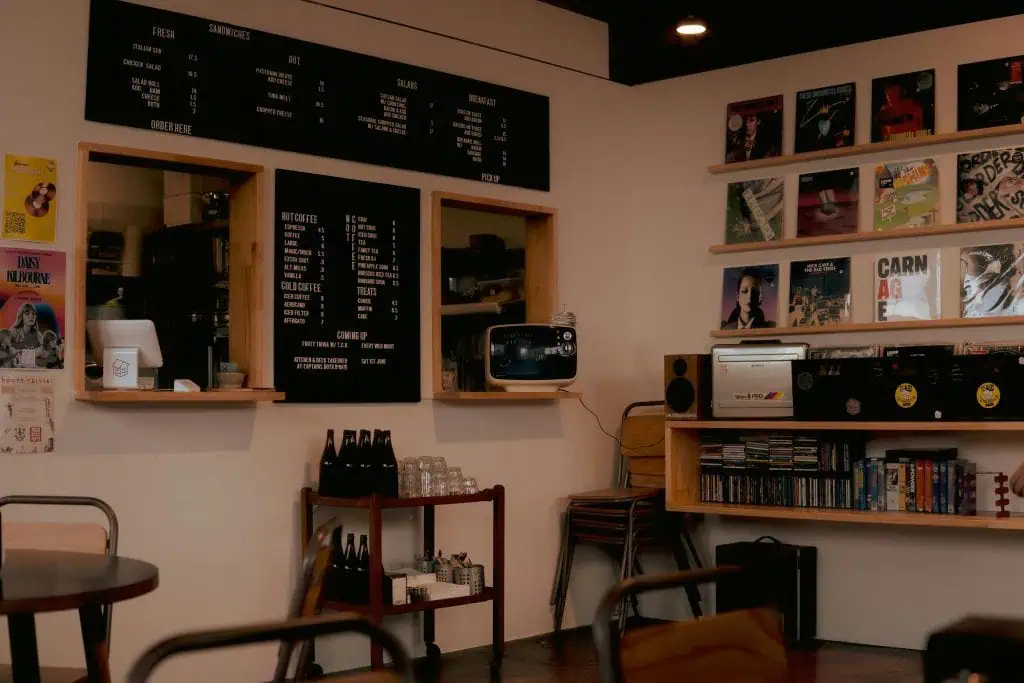
Restaurants have had to adapt to the age of the lens. Menu items are now created not only for flavor but for visual impact. Neon signs, colorful murals, and minimalist tableware all play into the photo-perfect aesthetic that draws in younger diners. The “Instagram effect” has influenced everything from plating styles to portion sizes, with businesses using shareable design as a key marketing tool. Some even credit viral posts for driving their success more than traditional advertising ever did.
Food Trends Gone Viral
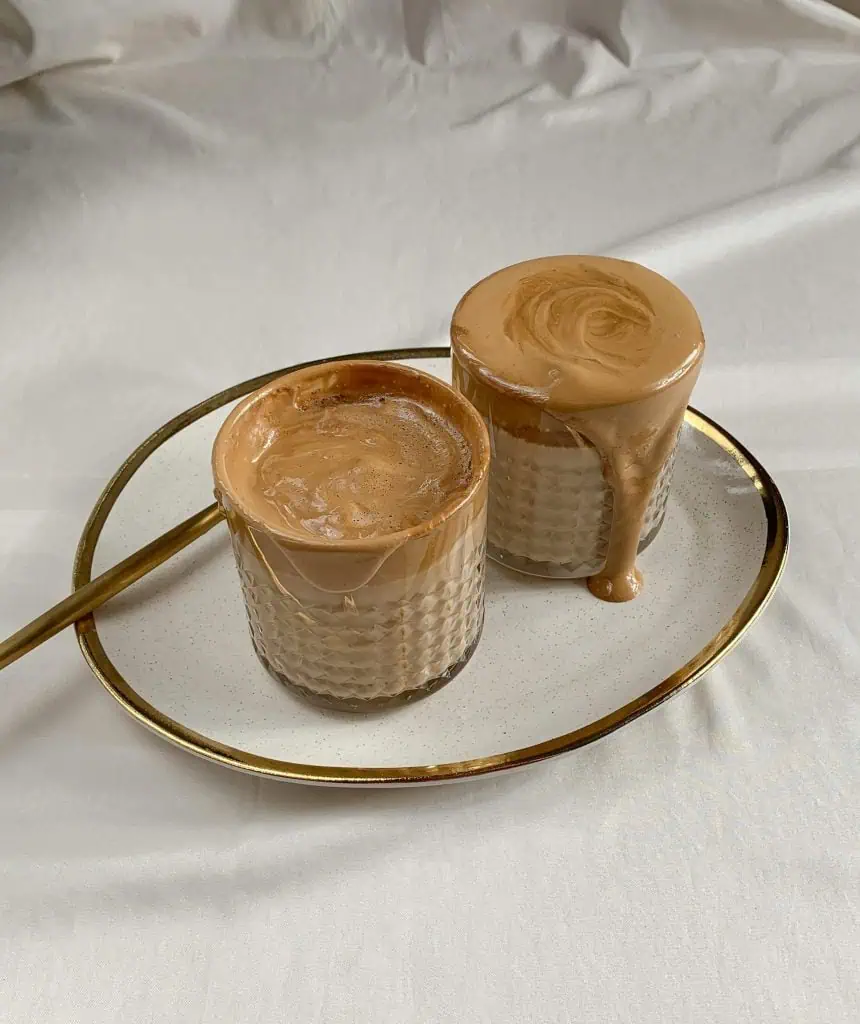
From avocado toast to Dalgona coffee and baked feta pasta, Instagram has the power to turn simple dishes into global phenomena. The speed at which trends spread is unprecedented. One viral post can inspire millions to try a recipe overnight. These waves of digital enthusiasm have shaped consumer demand, pushing grocery stores and cafes to stock ingredients that fit the latest online craze. What starts as a hashtag often ends up as a mainstream menu item.
The Birth of the “Food Influencer” Economy
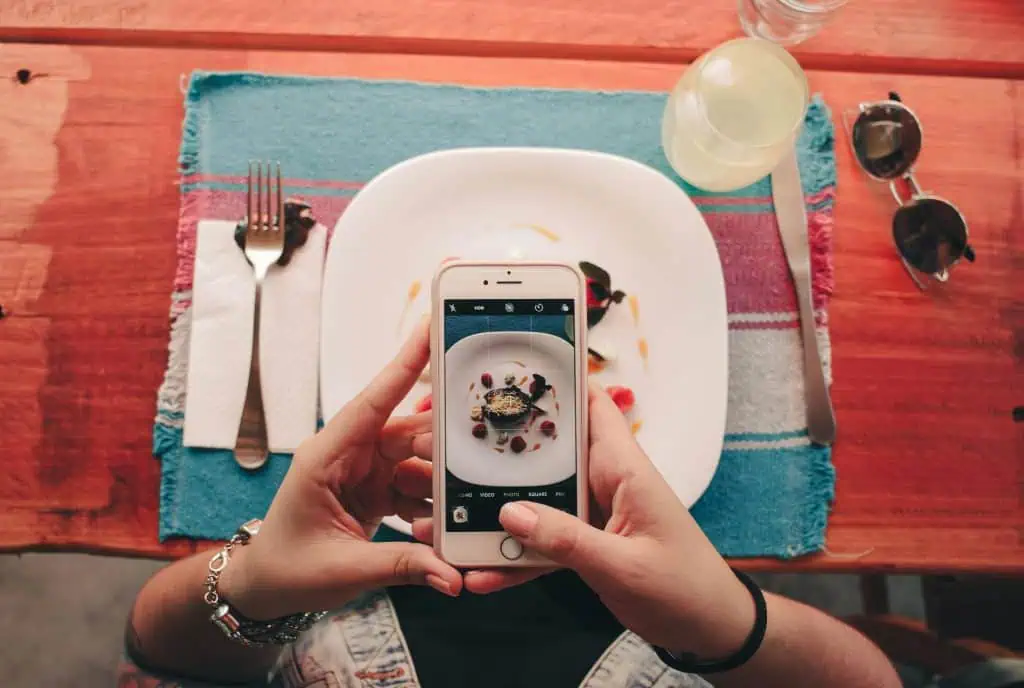
Instagram gave rise to an entirely new industry, the food influencer economy. Creators who once posted meals for fun now partner with brands, restaurants, and cookware companies to monetize their content. With millions of food-related hashtags generating billions of impressions, influencer marketing has become a powerful driver of the modern food world. For younger audiences, a post from a trusted creator often carries more weight than a traditional ad campaign.
Redefining Authenticity

While Instagram celebrates beauty, it has also sparked conversations about authenticity in food. Some critics argue that heavily edited, curated images create unrealistic expectations. In response, many chefs and influencers are embracing “real food” storytelling, showing messy kitchens, imperfect bakes, and raw cooking moments. This shift toward honesty marks a new era where connection matters more than perfection, and where sharing the story behind the food feels just as important as the food itself.
The Globalization of Taste
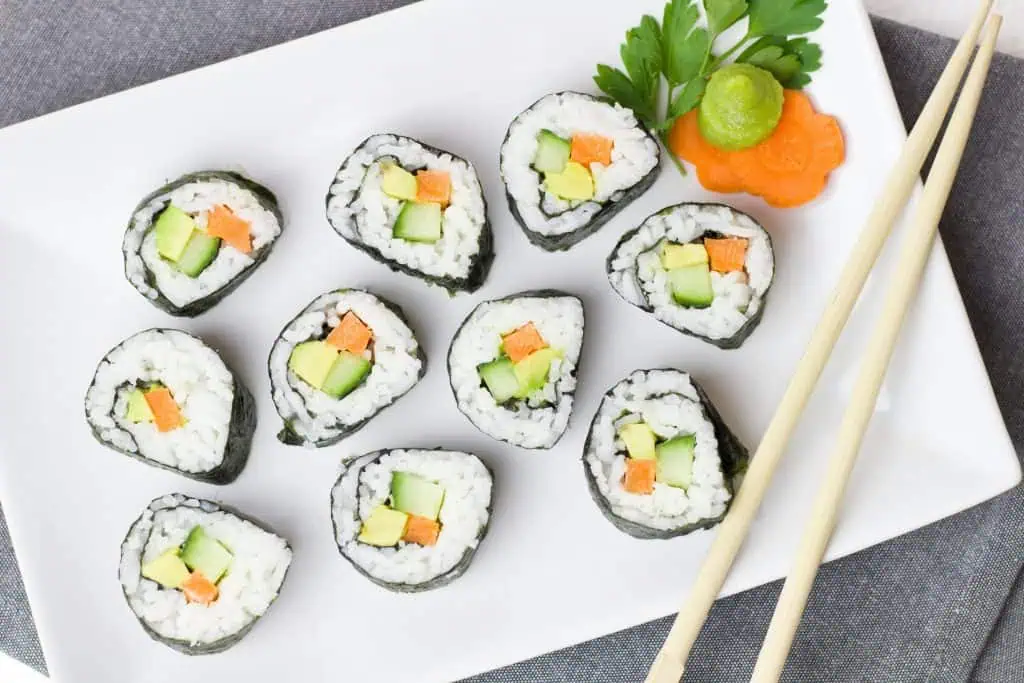
Instagram has also accelerated the exchange of culinary ideas across borders. A user in New York can discover Filipino adobo or Korean tteokbokki with a simple scroll. This exposure has expanded global palates and made cross-cultural cooking more common. Home cooks experiment with fusion recipes, and local restaurants add global flavors to their menus. What was once “exotic” is now everyday, and Instagram’s visual storytelling has been a major driver of that change.


