
Foods You Should Skip at Night for a Good Night’s Sleep

Getting a restful night's sleep can be influenced by the foods you consume before bedtime. Certain ingredients and dishes can disrupt your sleep cycle, impacting both the quality and duration of rest. By understanding which foods to avoid, you can make dietary choices that support better sleep hygiene. This approach not only helps in unwinding more effectively but also ensures you wake up refreshed and revitalized.
Caffeine: The Sleep Thief

Caffeine, found in coffee, tea, and certain sodas, has a stimulating effect that can keep you awake at night. This compound blocks adenosine receptors, delaying the onset of sleepiness. Be mindful of caffeine consumption in the late afternoon and evening. Alternatives like herbal teas, which are naturally caffeine-free, can offer a soothing ritual without the unwanted alertness. Reading labels carefully to avoid unexpected caffeine sources is prudent for those sensitive to its effects.
Spicy Foods: The Fiery Disruptors

Spicy foods can lead to indigestion or heartburn, particularly when eaten close to bedtime. Capsaicin, found in chili peppers, can raise body temperature and disrupt sleep patterns. Opt for milder dishes in the evening, focusing on mellow herbs and gentle seasonings. Should cravings for zestier flavors arise, consider consuming them earlier in the day to allow ample time for digestion, ensuring that discomfort doesn’t interfere with your rest.
Sugary Treats: Sweet but Sabotaging

Sugary snacks can cause a spike in blood sugar levels, leading to restless sleep and nighttime awakenings. These glucose surges followed by dips can disrupt the body's natural slumber rhythm. Instead of reaching for dessert late at night, satisfy a sweet craving with a small serving of fruit. Natural sugars paired with fiber can be less disruptive, assisting with a smoother transition into a restful night without unwanted interruptions.
Heavy Meals: The Sleep Saboteurs

Eating a large, heavy meal before bed can cause discomfort and make sleeping challenging. The body works hard to digest rich, calorie-dense foods, which can keep your system active when it should be winding down. Opt for lighter, balanced meals in the evening. Incorporate lean proteins and non-starchy vegetables to sate your hunger without hindering your sleep. Allowing several hours between your last meal and bedtime can enhance digestive ease and improve sleep quality.
Alcohol: The Illusion of Relaxation

Alcohol may seem like a sleep aid, but it disrupts your sleep cycle. It might initially make you drowsy, but it inhibits REM sleep, crucial for restfulness. Opt for water or herbal tea to improve hydration and relaxation. If you do consume alcohol, limit it to earlier in the evening to allow your body time to metabolize it before bed. This helps maintain a more consistent sleep pattern, allowing for deeper rest.
Acidic Foods: The Heartburn Culprits

Consuming acidic foods like tomatoes or citrus fruits before bed can lead to heartburn or acid reflux, interfering with sleep comfort. These foods relax the lower esophageal sphincter, allowing stomach acid to rise. For nighttime tranquility, choose low-acid options such as bananas or oatmeal, which are gentle on the stomach and promote easy digestion, ensuring a peaceful night.”
Processed Foods: The Hidden Offenders

Highly processed foods are packed with preservatives and additives that burden your digestive system. They often contain hidden sugars and unhealthy fats, spiking your energy and making restful sleep elusive. Focus on whole, simple ingredients like fresh vegetables or a piece of fruit for a light evening snack. This approach helps stabilize blood sugar levels, aiding in a smoother sleep transition.
Red Meat: The Digestive Dilemma
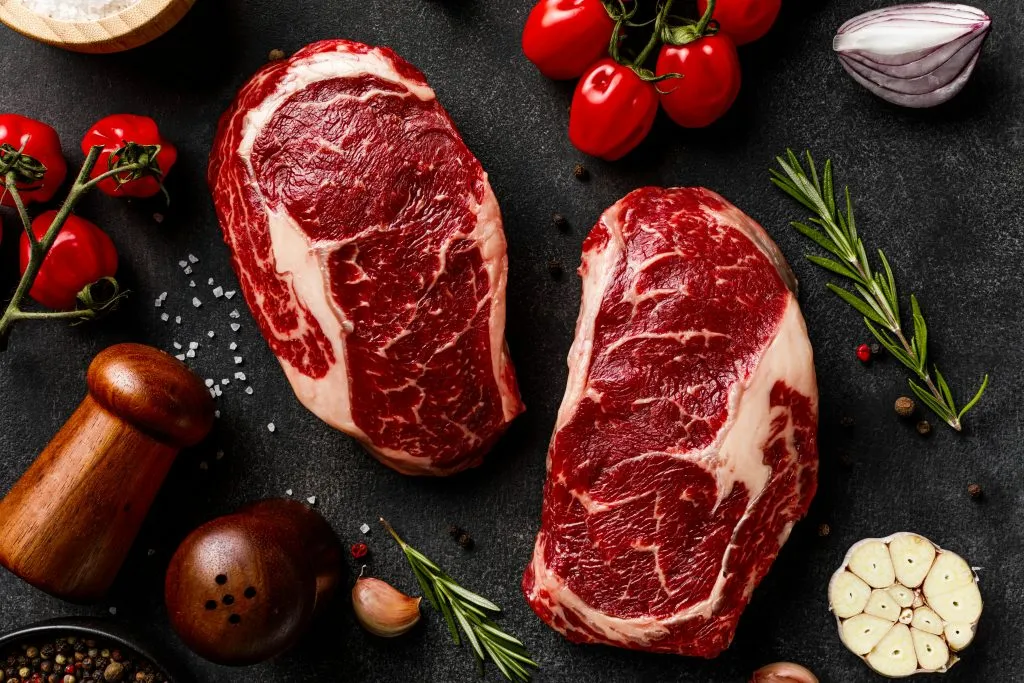
Red meat is rich in protein and fat, making it difficult to digest before sleep. The body's focus shifts to digestion rather than resting, causing discomfort. Choose lighter proteins such as fish or lean poultry earlier in the day. If you're craving red meat, opt for smaller portions or pair it with fibrous vegetables like asparagus to ease digestion and enhance sleep quality.
Cheese: The Dream Disturber

Cheese is high in fat and can linger in the stomach, disrupting sleep. Its rich content in tyramine, an amino acid, can also stimulate the brain and hinder relaxation. Instead, consider lighter dairy options like a small serving of yogurt, which is easier to digest and abundant in probiotics, supporting gut health and promoting a restful night’s sleep.
Carbonated Drinks: The Fizzy Intruders

Carbonated drinks, while refreshing, can be disruptive to a restful night. The bubbles in fizzy beverages often contain carbon dioxide, which can cause bloating and discomfort. Additionally, many sodas and sparkling waters contain caffeine and sugar—two ingredients notorious for disturbing sleep patterns. Opting for caffeine-free and unsweetened herbal teas or plain water can help circumvent the mid-night disruptions, allowing your body to relax naturally. Prioritizing these alternatives supports an untroubled transition into sleep.


