
Fast Food Giants That Rose Fast and Fell Even Faster

Fast food empires have reshaped culinary landscapes, often expanding rapidly due to unique concepts or standout products. Yet, the swift ascent of these giants can be matched only by their precipitous declines. Understanding the rise and fall of these brands offers valuable insights into the volatile world of fast food, where innovation, market adaptation, and changing consumer preferences play crucial roles.
The Rise and Fall of Burger Chef
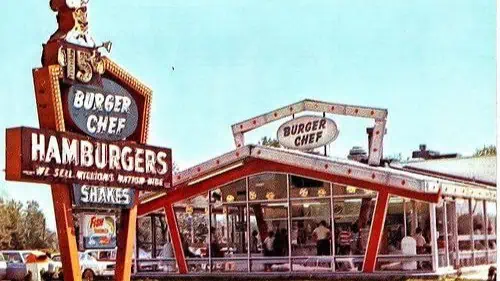
Burger Chef, once a formidable competitor to McDonald’s, grew through groundbreaking marketing and a distinct flame-broiled flavor. Its innovation with the Works Bar, allowing customers to customize burgers, was ahead of its time. However, as competition stiffened, inconsistencies in quality and a lack of strong branding led to its decline. The company's failure to modernize and capitalize on its early innovations resulted in its abrupt fall, offering a critical lesson in sustaining momentum in fast-paced industries.
The Decline of Chi-Chi's

Chi-Chi’s emerged during the 1970s Tex-Mex food craze, beloved for its festive atmosphere and signature chimichangas. However, changing health trends and increased competition slowly eroded its market share. A severe viral outbreak in the early 2000s accelerated its decline, leading to a tarnished reputation from which it couldn't recover. Chi-Chi’s story underscores the importance of brand resilience and adapting to evolving consumer tastes in the restaurant industry.
Dairy Queen: The Blizzard Melts
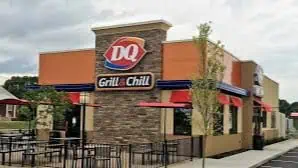
Dairy Queen's Blizzard became an iconic frozen treat with its thick texture and endless mix-in possibilities. Despite this success, the company struggled with menu innovation and adapting to customer preferences beyond frozen desserts. The brand's limited diversification efforts stalled growth in competitive dining landscapes. While still existing, Dairy Queen's struggle highlights the crucial need for continuous product development and diversifying offerings to remain a key player.
Bennigan's: Irish Pub Fumbles
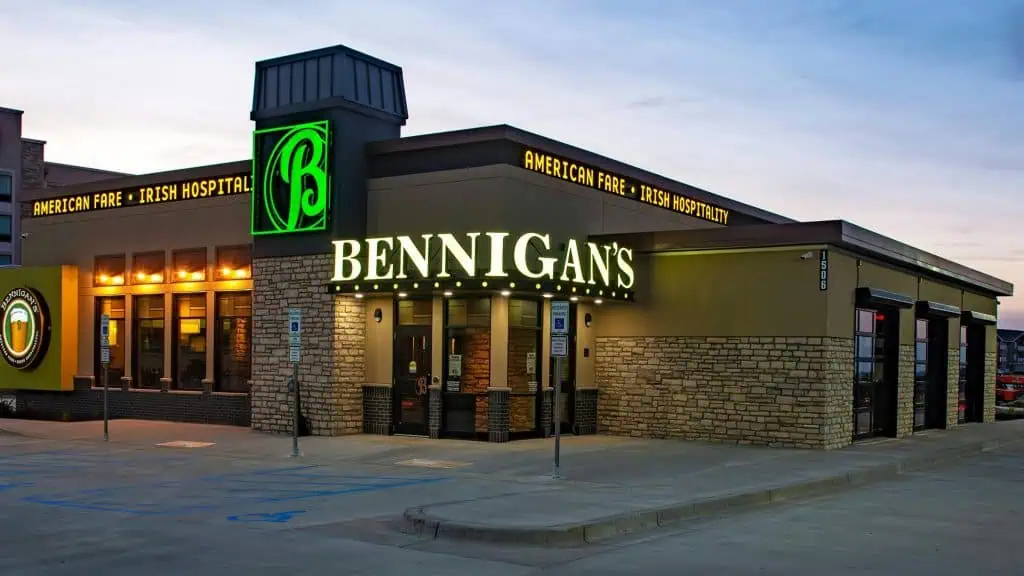
Bennigan’s capitalized on the vibrant pub dining experience, combining hearty meals with a friendly ambiance. Despite initial success, it failed to differentiate itself as other casual dining chains entered the market. Oversaturation, coupled with a lack of innovation in menu offerings and branding, resulted in decreased foot traffic. Bennigan’s decline illustrates the importance of evolving with market demands and continuously enhancing brand identity to maintain customer interest over time.
Howard Johnson’s: From Fame to Obscurity
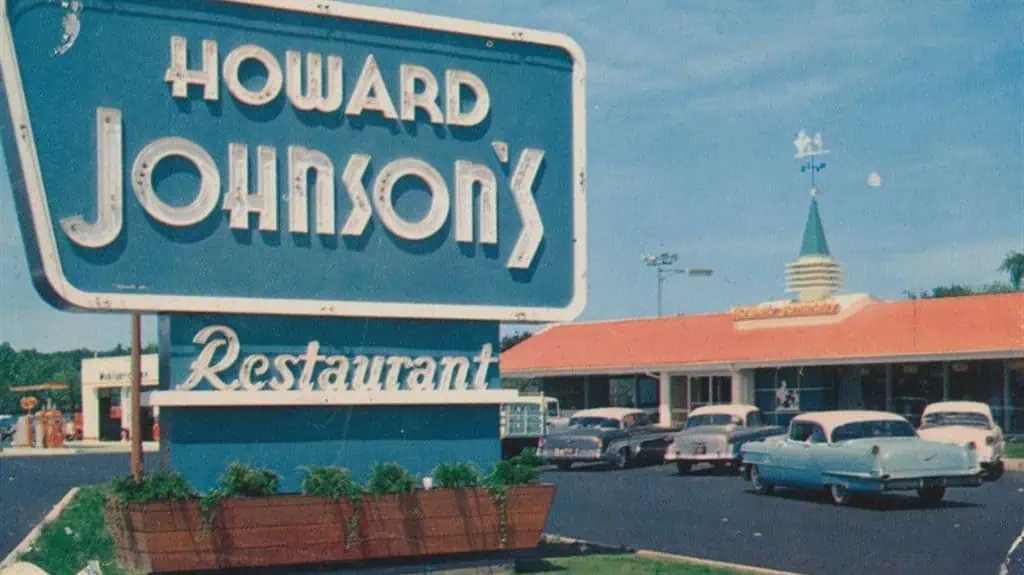
Howard Johnson’s was once synonymous with Americana, serving accessible comfort food across roadside locations. Known for its 28 flavors of ice cream and iconic orange roof, it represented a mid-20th century dining staple. However, expansion challenges and changing consumer tastes led to a decline. The reliance on standardized menus and décor could not compete with the emerging demand for personalized and diverse dining experiences. By understanding Howard Johnson’s legacy, restaurant moguls recognize the importance of adaptation and innovation in maintaining relevance.
Quiznos: Submarine Crash Dive
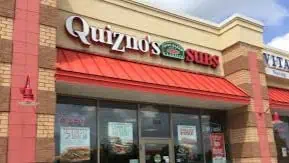
Quiznos gained rapid fame when their toasted sandwiches offered a flavorful edge over competitors. The distinctive toasting method, combined with high-quality meat and cheese choices, initially drew in customers. However, pricing issues and an aggressive franchising strategy overwhelmed support systems, leading to franchisee unrest and financial strains. With increasing competition from more versatile sandwich shops, Quiznos’ inability to adapt its menu and business model resulted in a steep decline, serving as a cautionary tale for balancing growth with franchisee satisfaction and market flexibility.
Sbarro: Pizza to Bankruptcy
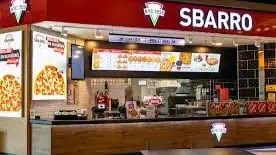
Sbarro quickly became a mall staple, renowned for its convenient pizza-by-the-slice concept. Offering a decent New York-style pizza experience in food courts, it capitalized on foot traffic and impulse buys. However, failing to innovate its menu and adapt to a diversifying fast-casual landscape led to financial trouble. Increased lease pressures and evolving consumer preferences for fresh, artisanal offerings overshadowed Sbarro’s traditional model. Its journey underscores the necessity for evolution in product offering and strategic placement outside traditional captive markets.
Kenny Rogers Roasters: Roasted Out
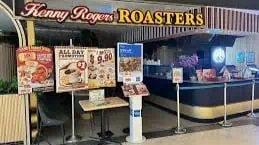
Kenny Rogers Roasters capitalized on the rotisserie chicken craze by combining quality ingredients with homey service. The appeal of healthier fast-food options initially positioned it well. Still, a saturated market and operational mishaps led to its downfall. Challenges included inconsistent international franchising and competition from similar chains offering broader menus. The slow adaptation to consumer trends, such as increased demand for variety and sides, offers critical lessons in maintaining brand identity while allowing room for menu flexibility and innovation.


