
Endless Harvest: 17 Vegetables That Regrow Again and Again

Regrowing vegetables from kitchen scraps is a skill that brings sustainable practices into everyday cooking. Not only does this lessen food waste, but it also provides constant access to fresh produce. By choosing the right plants, you can maintain a mini-garden that regenerates continuously, ensuring a steady supply of ingredients. This guide outlines essential techniques to revive and harvest vegetables like scallions, celery, romaine lettuce, and carrots, fostering a connection to your food from root to table.
Scallions: The Everlasting Onion

Scallions are incredibly simple to regrow, requiring just their white root ends and a glass of water. Start by placing the root base in a glass, submerged in enough water to cover the roots. Position the glass on a sunny windowsill, changing the water every two to three days to prevent bacterial growth. Within a week, the green stalks will sprout anew. This method keeps a ready supply of fresh scallions, perfect for garnishing soups, stir-fries, and salads. With a crisp texture and mild flavor, regrown scallions are versatile and healthy.
Celery: Crunchy and Regenerating

Celery regeneration begins with its base. After using the stalks, place the base in a shallow dish of water, ensuring just the bottom is submerged. Position it in sunlight to encourage growth. Within a week, new leaves will emerge from the center. As these leaves develop, you can transfer the plant to soil for longer-term cultivation. Continually harvesting the outer stalks allows the center to thrive, ensuring a consistent supply. The resulting celery is tender, with a vibrant crunch that elevates salads and soups.
Romaine Lettuce: Salad Staple Returns
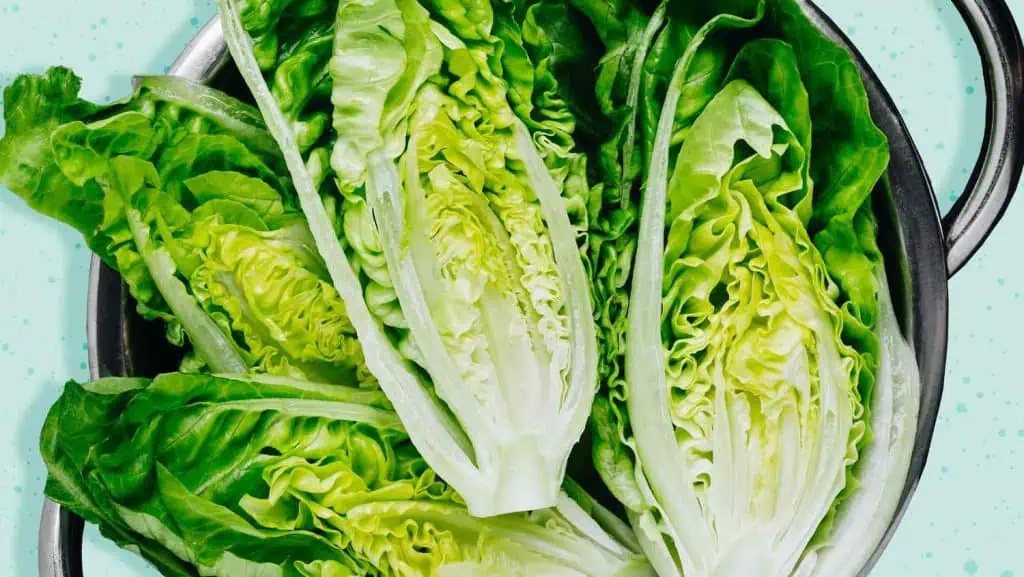
To regrow romaine lettuce, retain the stump after using the leaves. Place it in a shallow bowl with about half an inch of water, ensuring the base is submerged and positioned in a sunlit spot. Water should be refreshed every few days to promote clean, healthy growth. New leaves will appear within a week, ready to enrich your salads with their crisp texture and mild, refreshing flavor. Transitioning the plant to soil after initial growth supports a robust, longer-lasting yield, providing constant salad greens.
Carrots: Roots That Keep Giving

Although you cannot regrow a carrot root itself, the tops are quite useful. After slicing off the top inch of a carrot, place it in a dish of shallow water, cut side down. Ensure enough sunlight reaches the setup to stimulate growth. Within days, green tops will emerge. These greens offer a pleasant bitterness and are edible, adding zest to pesto, salads, or as a garnish. While carrots don’t regenerate like others, this method provides a flavorful and often overlooked part of the vegetable.
Garlic: Clove to Globe Again
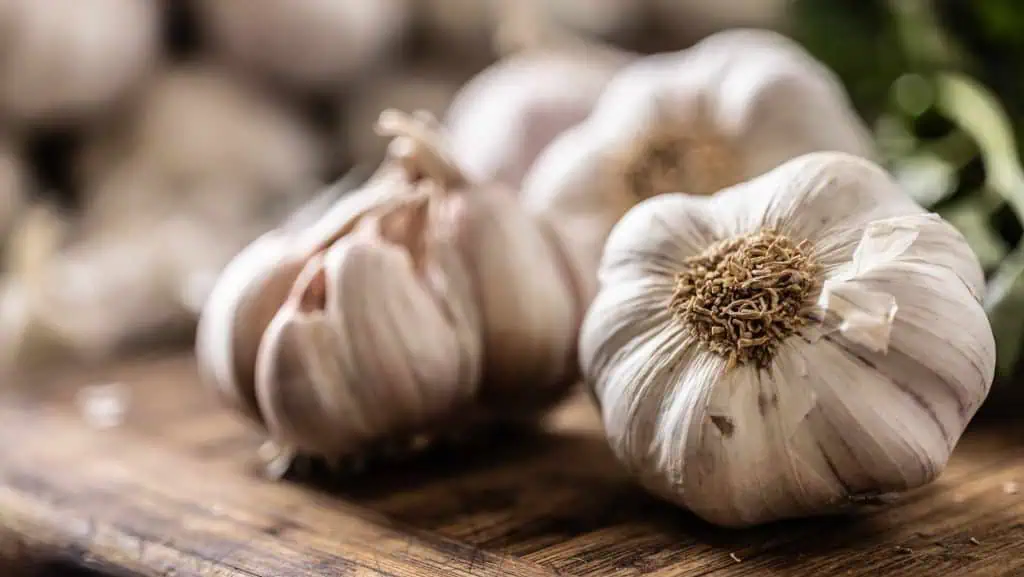
Begin by selecting fresh garlic bulbs with plump, firm cloves. Separate these without peeling, and plant the individual cloves pointy side up in well-drained soil or a pot about an inch deep. Ensure they receive ample sunlight and regular watering. As shoots begin to appear, you can snip them for use while allowing the underground cloves to develop fully. Harvest when half of the leaves turn brown, gently loosening the soil to retrieve the new bulbs. This method ensures a continuous supply of garlic, enhancing the richness in every dish.
Basil: Eternal Herb of Flavor

To regrow basil, start by cutting 4-inch stems from a healthy basil plant before flowering. Remove the lower leaves and place these cuttings in a jar of water, ensuring nodes are submerged. Within a week, roots will begin to appear. Once established, transfer the cuttings to a pot with nutrient-rich soil. Keep them in a sunny spot and maintain consistent moisture without waterlogging. Regularly pinch off the tips to encourage bushier growth and prevent flowering, preserving its aromatic leaves bursting with flavor perfect for garnishing or pesto.
Bok Choy: Asian Green Reborn

Chop off the stalks a few inches above the root base and place the root end in a shallow bowl of water with a sunlight spot. Change the water every couple of days to keep it fresh. After a week, roots and small leaves will start to sprout. Transfer to soil, planting it with the new growth just above the surface. With regular watering and adequate sunlight, bok choy will flourish within weeks. This cycle ensures a steady supply of crisp and tender greens, perfect for stir-fries or salads.
Sweet Potatoes: Surprising Regrowth

Begin by cutting a sweet potato in half, suspending it with toothpicks in a jar of water with the cut side down. Place it in a bright, warm area. Within weeks, shoots known as slips will emerge. Once these reach a few inches long, detach and root them in individual jars of water. When roots are established, plant them in loose, well-draining soil. This cyclical process offers vibrant vines and eventually, more sweet potatoes, providing sweet and earthy flavors in various culinary applications.
Ginger: Spice That Springs Back

Select a fresh ginger root with several eye buds. Cut into pieces, ensuring each has an eye, and soak them overnight in warm water to stimulate growth. Plant the pieces in potting soil with the buds facing up, leaving the top exposed. Place in a partly sunny spot and keep the soil consistently moist. In a few weeks, new shoots will appear. Harvest by trimming off sections of the root as needed, or let them mature for a fuller yield. This practice keeps your kitchen stocked with this essential spice, rich in flavor and warmth.
Green Onions: Flavor on Repeat
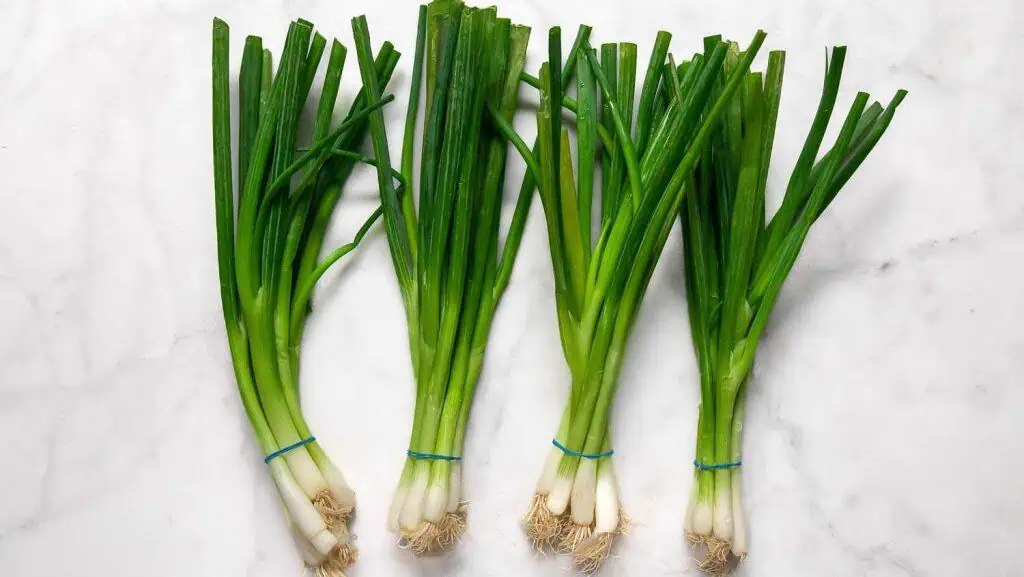
Green onions bring a fresh bite and are incredibly easy to regrow. Start by saving the white root ends. Place them in a glass with enough water to cover the roots. Keep the glass in a sunny spot, changing the water every few days to prevent stagnation. Within a week, you'll notice new green shoots. Harvest by snipping the greens as you need them, allowing the root to regenerate continuously. This technique provides a near-constant supply of these versatile alliums, perfect for garnishing soups, salads, and more.
Cabbage: Leafy Comeback King

Cabbage is a hardy vegetable that can regrow from its base. Preserve the bottom inch of the stem and place it in a shallow bowl of water, ensuring the cut side is up. Position the bowl in a sunny area, waiting for leaves to sprout. Mist the cabbage with water to maintain humidity. After a few weeks, once new leaves emerge, transplant the cabbage into soil. This method allows it to mature, rewarding you with smaller heads ready for hearty stews or crisp slaws.
Lemongrass: Fragrant Regrowth

Lemongrass stalks can be propagated with ease. Begin by trimming excess leaves and placing the stalk's base in a glass of water, setting it in direct sunlight. Change the water bi-weekly to inhibit mold growth. Roots will form within weeks. Once roots are robust, transfer the stalks to soil in a pot or garden. Lemongrass thrives in well-drained soils, offering aromatic stems for infusing teas, broths, or marinades. Consistent watering supports its lush growth and flavorful contributions to culinary creations.
Cilantro: Herb with Multiple Lives

Cilantro’s delicate leaves can be regenerated with careful attention. Utilize the bottom part of the stems, placing them in a jar with water. Ensure the stems receive ample light and change the water every few days. Transplant sprouted stems into soil once they've formed hearty roots, burying them in nutrient-rich earth. Keeping the soil moist promotes vigorous growth. Frequent harvesting of the leaves encourages a bushier plant, maintaining a steady supply of this aromatic herb for salsas, curries, and more.
Leeks: Mild Onion Reappears
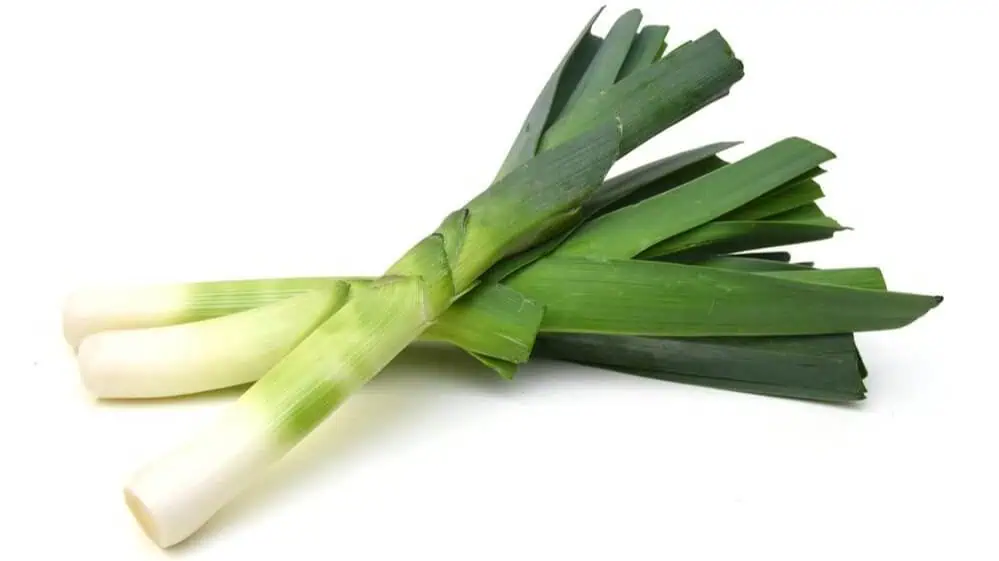
Leeks, with their subtle onion flavor, can regenerate from their roots. Save the white root end, submerging it partially in water. Let it rest in a sunny location, remembering to change the water regularly. In a few days, green shoots emerge, indicating it’s ready for soil replanting. Choose loose, organic soil, providing adequate moisture and full sunlight. Leeks will develop their elongated, tender stalks over time. Slice them into soups or braises, letting their gentle taste enhance your dishes.
Fennel: Aromatic Revival Yield

Fennel offers both a culinary and regenerative delight. To cultivate fennel scraps effectively, begin by trimming the bulb, leaving a one-inch base. Place it in a shallow dish with water, ensuring the bottom is submerged. This encourages the roots to rejuvenate. Within days, new green fronds will sprout, infusing dishes with a gentle, anise-like flavor. Harvest these fronds to garnish salads, soups, or roasted dishes. With regular water changes and adequate sunlight, fennel can provide a continuous supply of fresh herbs for your kitchen adventures.
Turnips: Underground Renewal
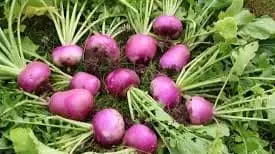
Utilize turnip tops to nurture a perpetually regenerating plant. Slice a half-inch above the root and position it in a dish of water, roots facing down. Locate in a sunny spot and notice the greens reappearing quickly. After a few weeks, transplant into the soil to acquire both turnip tops and tender roots. The greens add a peppery note to stir-fries or salads, while young roots offer a crisp sweetness. By maintaining consistent moisture and sunlight, turnips continue to enrich your dishes, merging earthiness with adaptability.
Spinach: Leafy Green Rejuvenate
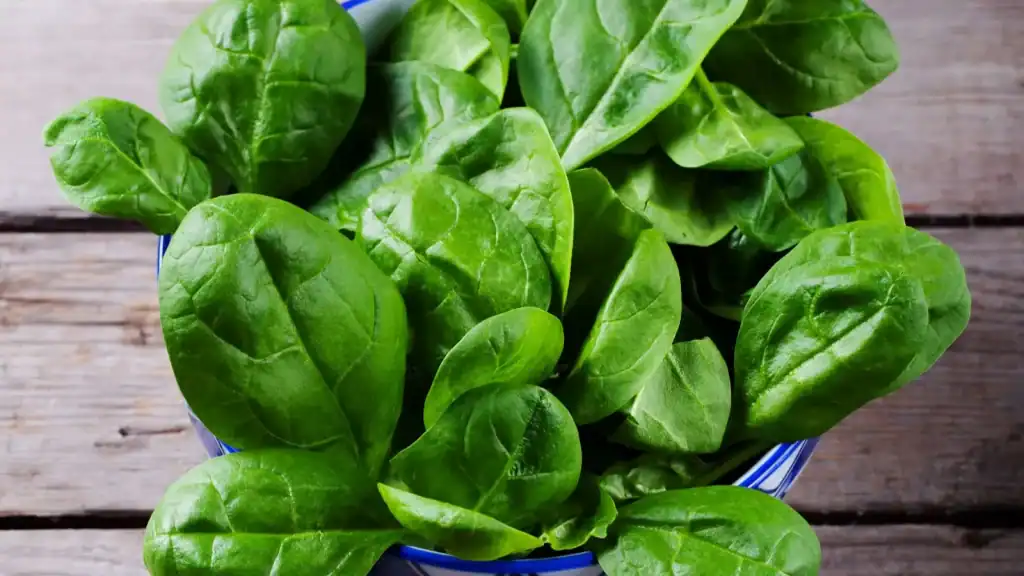
Spinach offers resilient regrowth opportunities. Once harvested, keep a few inches of the base intact, and place it in soil. Ensure it's in a well-lit spot, watered regularly but not waterlogged. New leaves appear swiftly, retaining their nutty, rich flavor. Harvest once the new leaves reach maturity, making sure to snip from the outer edges. This technique ensures continuous growth, giving access to fresh, nutritious greens that complement everything from smoothies to sautés, seamlessly adapting to all culinary needs.


