
Cruise ship buffets: 6 foods chefs avoid at sea

Cruise ship buffets offer an enticing array of dishes, yet some foods are best approached with caution. Professional chefs know which culinary delights to embrace and which to sidestep while at sea. This knowledge ensures both quality and safety, crucial in a setting as unique as a cruise.
Rare Steak Woes at Sea

Achieving the perfect rare steak on a cruise could be tricky due to limited access to fresh, consistently high-quality beef. The delicate balance of a beautifully seared exterior and a rare, tender interior requires precise temperature control—challenged by a busy buffet environment. Chefs prioritize food safety, which often means cooking meat to a degree that ensures safety but may compromise the texture and flavor purists seek in a rare steak.
Raw Oysters: A Risky Delight

Raw oysters are a tempting yet problematic option at sea. Their freshness is paramount to both flavor and safety, and ensuring this delicate shellfish remains uncontaminated requires handling that is often impractical on a large cruise ship. Fluctuating ocean temperatures and limited access to reliable sources can make it difficult to provide the quality expected for raw consumption, prompting chefs to exercise caution and often avoid offering them at buffets.
Delicate Soufflés vs. Ocean Waves

Soufflés are notorious for their sensitivity, and the constant movement of a ship can wreak havoc on their delicate structure. The rise of a perfect soufflé depends on precise timing and a steady environment, both difficult to maintain on the seas. Turbulence and humidity interfere with the soufflé's lift and stability, leading chefs to favor more robust desserts that can withstand the voyage’s variables.
Sushi Rolls: A Freshness Nightmare
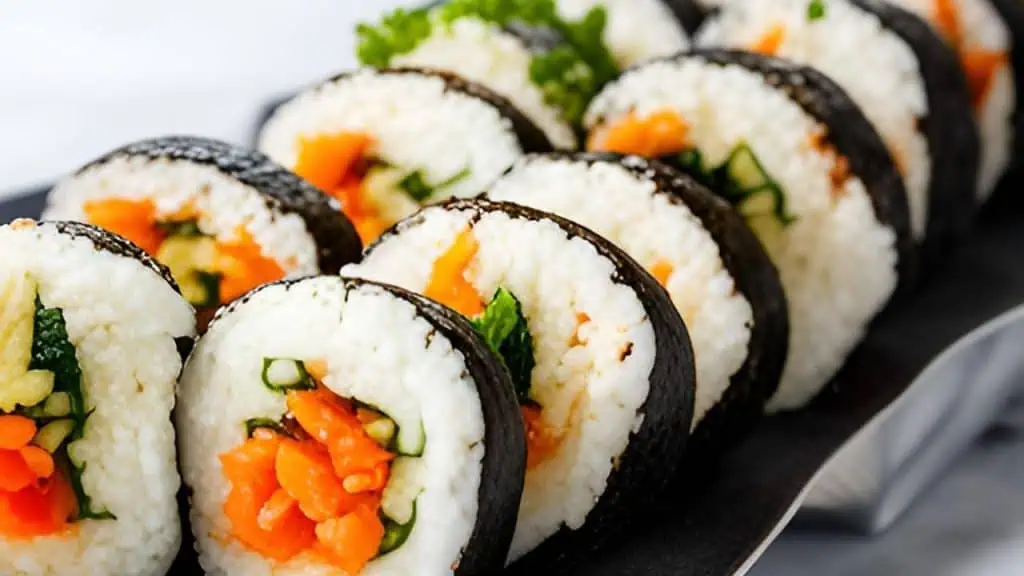
Crafting sushi on a cruise presents unique challenges, with the preservation of fresh fish at the forefront. Even with advanced refrigeration techniques, the time and distance from sources can affect the quality of raw ingredients, essential for good sushi. Rolling in bulk doesn't lend itself to the care and precision that sushi demands, leading chefs to often avoid it or ensure tight quality control at specific venues.
Chocolate-Dipped Fruit Dilemmas

Chocolate-dipped fruit can be problematic in a buffet setting due to temperature and humidity fluctuations on board a ship. These factors can cause the chocolate to sweat or even develop a white film known as bloom, which impacts both appearance and texture. To ensure quality, chefs recommend serving chocolate and fruit separately, encouraging guests to create their own combinations. This preserves the integrity of the chocolate's snap and the fruit's freshness without risking aesthetic or taste compromises.
Egg-Based Sauces: A Recipe for Disaster

Egg-based sauces like Hollandaise are delicate and can pose a challenge on a cruise ship buffet. Maintaining the right temperature is crucial to prevent these sauces from breaking or turning, as they can easily overheat and curdle. Additionally, these sauces require precision in preparation, often not feasible in large-scale buffet services. Chefs suggest opting for more stable alternatives, like vinaigrettes or aioli, which offer robust flavor without the same risk of degradation over extended service periods.


