
Coffee in Crisis: How Climate Change Is Threatening the World’s Morning Ritual

Coffee, a cherished daily ritual for millions, faces an uncertain future due to climate change. Shifts in weather patterns and rising temperatures threaten coffee-growing regions worldwide, imperiling both the quality and quantity of beans. This guide explores the impact of these changes, highlighting how they endanger not just farmers' livelihoods but also the global morning staple. Each section offers insights into specific geographic challenges, fostering a deeper understanding of what’s at stake in the world of coffee.
A Brew at Risk

Coffee varieties such as Arabica and Robusta are highly sensitive to climate shifts. Increased temperatures and unpredictable rainfall can lead to lower yields and inferior quality beans. This results in altered flavor profiles that avid coffee enthusiasts notice. In response, farmers employ innovative techniques like shade growing and new irrigation systems to combat these issues. Such adaptive methods aim to preserve the richness of the brew we cherish. Understanding these changes is crucial for appreciating the effort behind every cup.
Brazil’s Struggling Plantations
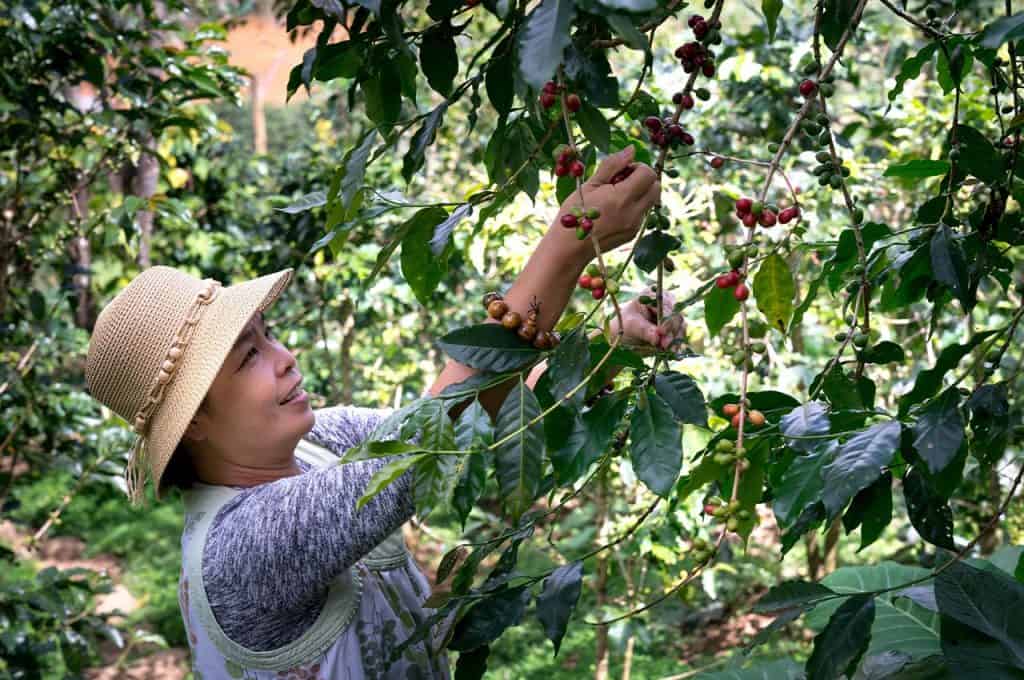
As the world’s largest coffee producer, Brazil feels the heat of climate change acutely. Unpredictable weather disrupts harvests and increases susceptibility to pests. Farmers confront these challenges by experimenting with more resilient coffee varieties and sustainable farming practices. Balancing these measures with economic realities is a constant struggle. The goal is to safeguard both the livelihood of countless farmers and the consistency in coffee quality synonymous with Brazilian beans.
Colombia’s Coffee Identity

Colombian coffee, prized for its smoothness and tangy flavors, faces the threat of climate variability. Temperature fluctuations and shifting rainfall patterns disrupt the delicate balance needed for optimal growth. Farmers are adapting by cultivating at higher altitudes, where cooler temperatures offer some refuge. This shift, however, demands careful adjustment to maintain the hallmark flavors. The effort to preserve Colombia's coffee reputation underscores the tenacity and innovation of its growers.
Ethiopia’s Declining Birthplace

Ethiopia, believed to be coffee’s original home, encounters significant climate challenges that threaten its ancient coffee varieties. Erratic weather patterns impede production, demanding urgent adaptation strategies. Ethiopian farmers are turning to agroforestry methods, planting trees alongside coffee to create better microclimates. These practices aim to mitigate the adverse effects of climate change, safeguarding the genetic diversity and unique flavors that Ethiopian coffee is celebrated for across the globe.
Rising Temperatures & Diseases

As global temperatures climb, coffee plants face severe stress, directly impacting their growth cycles. Higher heat accelerates crop maturation, shortening the development period of the beans and compromising flavor complexity. Additionally, the warmth creates a perfect environment for diseases like coffee leaf rust to thrive, destroying foliage and reducing yields. Understanding these challenges can guide meaningful interventions in climate-resilient crop solutions, ensuring the plants can withstand extreme conditions.
Shrinking Harvests, Rising Prices

As harvests decrease, the balance between supply and demand shifts, leading to higher prices. Smaller yields, a consequence of environmental stressors, prompt coffee producers to adjust planting strategies and diversify crops to secure livelihoods. This adaptation, while essential, may disrupt traditional coffee offerings. Consumers might find that their cup of coffee reflects these changes, both in taste and in cost, reshaping market dynamics and consumer expectations.
Flavor and Quality in Jeopardy

Subtle shifts in growing conditions transform the signature profiles of beloved coffee varieties. Coffee plants subjected to erratic weather lack the resources to develop rich flavors, often producing beans with muted or unbalanced notes. Farmers are exploring different altitudes and innovative farming techniques to preserve traditional flavors. Maintaining quality demands meticulous attention to detail during cultivation and processing, as even slight deviations significantly alter the final product.
Farmers on the Frontline

Farmers face immense pressure as frontline defenders of coffee's future. Many rely on local knowledge and innovative practices, from shade-growing techniques to resilient crop varieties, to combat environmental impacts. Support for these farmers through fair trade initiatives and government policies is crucial, enabling them to invest in sustainable practices and technology. Their resilience and adaptability serve as vital links in sustaining global coffee supplies and maintaining agricultural traditions.
Cultural Rituals at Stake

Coffee rituals, ingrained in cultures worldwide, are under threat as climate change disrupts availability and quality. These rituals, from Italy's espresso traditions to Ethiopia's coffee ceremonies, are more than daily routines, they are cultural touchstones. As coffee becomes less accessible, the continuity of these traditions hangs in the balance. Protecting these experiences calls for global collaborative efforts to address climate impacts, ensuring that future generations can savor these cherished moments.
Sustainability: Coffee’s Future Hope

Coffee producers are turning to sustainable practices to secure the crop's future amid climate challenges. Shade-grown coffee is gaining popularity, helping to protect biodiversity by integrating coffee plants with native forests. Implementing water-saving techniques, like drip irrigation, reduces resource strain, while organic farming minimizes chemical runoff. Supporting smallholder farmers through fair trade initiatives ensures economic viability and incentivizes sustainable growth. Consumers can contribute by choosing ethically sourced beans, which support these eco-friendly efforts.


