
Burger King Just Ditched Its Creepy Mascot, Here’s Why

After years of mixed reactions, Burger King has quietly retired its infamous mascot known simply as “The King.” The oversized plastic-headed royal was once a marketing icon, known for bizarre commercials that earned both laughs and nightmares. Now, the company says it is moving away from character-driven campaigns to focus on food quality, digital engagement, and brand trust. The decision marks the end of an era for one of fast food’s most polarizing figures.
The Rise of “The King”
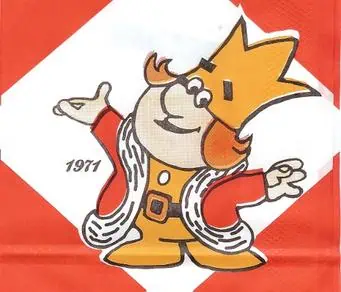
Burger King first introduced “The King” in the 1970s, but the version that most people remember reappeared in the mid-2000s. This modern iteration, complete with a fixed grin and surreal appearances, became a viral sensation before social media was mainstream. The ads often placed the mascot in odd or unsettling situations sneaking into bedrooms, handing out sandwiches silently, or staring blankly at the camera. The campaign grabbed attention but also earned a reputation for being downright creepy.
Why the Mascot Had to Go

In recent years, Burger King’s marketing has struggled to connect with younger audiences, and brand research showed the mascot was more confusing than engaging. Executives noted that “The King” no longer aligned with the company’s refreshed image of authenticity and food transparency. By dropping the mascot, Burger King aims to highlight menu improvements, like flame-grilled patties and cleaner ingredients, rather than gimmicks. The shift also reflects a broader move away from shock marketing toward sincerity.
A Focus on Food and Realness
The chain’s new campaigns emphasize real ingredients, real people, and a simplified message “Your Way, Way Better.” Commercials now spotlight the Whopper’s customizability, menu upgrades, and customer feedback rather than surreal humor. Marketing analysts say this strategy is part of a “brand maturity” phase, designed to rebuild trust after years of inconsistent messaging. Burger King’s leadership believes showing genuine food quality resonates more deeply than quirky characters ever could.
The Digital Era of Engagement
Burger King is also investing heavily in digital and mobile experiences, where the creepy mascot no longer fits. The company’s new strategy focuses on app-based deals, delivery options, and interactive loyalty programs that reward customers directly. These initiatives align with the habits of Gen Z and millennial consumers who prefer convenience and personalization. Retiring “The King” allows Burger King to modernize its tone and compete more effectively with digitally savvy rivals like McDonald’s and Wendy’s.
How Fans Are Reacting
Reactions online have been mixed; some customers are nostalgic for the weird humor of the old ads, while others say it is long overdue. Many admit that “The King” was memorable but rarely appetizing. Marketing experts agree that the mascot succeeded in making Burger King stand out but failed to create lasting loyalty. The farewell marks a turning point for the brand, signaling that it’s finally ready to leave behind irony and embrace authenticity as its new crown jewel.


