
Aphrodisiac Foods: Fact, Fiction, or Full-On Placebo?

Aphrodisiacs have captured the human imagination for centuries, their allure gaining traction in ancient civilizations. The term itself originates from Aphrodite, the Greek goddess of love and beauty, reflecting the historical pursuit of foods believed to enhance sexual vitality. Cultures worldwide have contributed their own interpretations, with each bringing distinct foods and practices into focus. The basis for these early beliefs often stemmed from the physical characteristics of foods, their rarity, or their energy-boosting properties, establishing a complex tapestry of culinary and cultural influences.
Scientific Insights on Aphrodisiac Claims
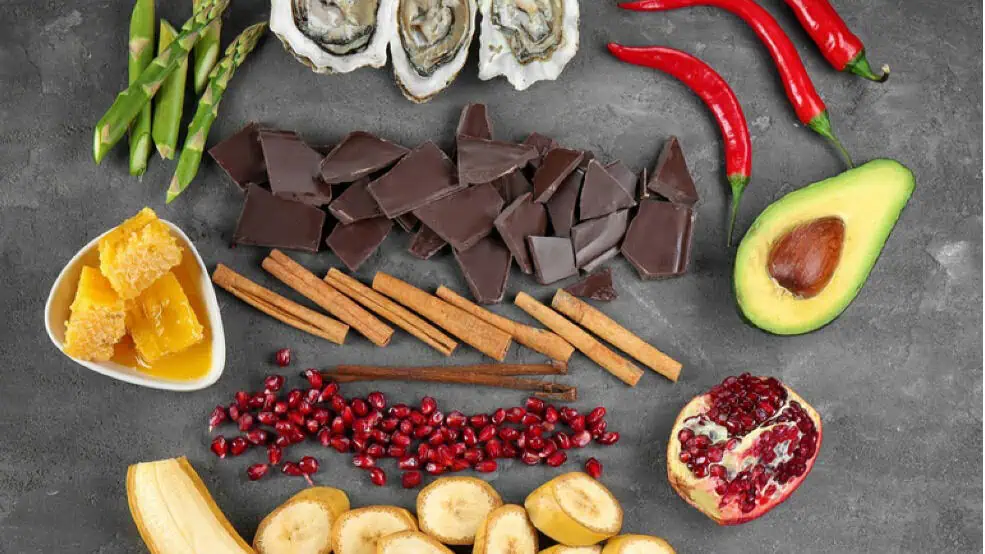
Modern science has sought to demystify aphrodisiacs, exploring the validity of these long-held notions. Many claims hinge on nutritional content, with certain foods rich in vitamins and minerals believed to impact mood or physiological performance. For instance, zinc in oysters supports testosterone production, while serotonin boosters in chocolate can enhance mood. However, scientific consensus often finds insufficient direct evidence linking these foods to increased sexual desire or performance, suggesting that many aphrodisiac properties may lean more on subjective perception than empirical support.
Exploring Famous Aphrodisiac Foods
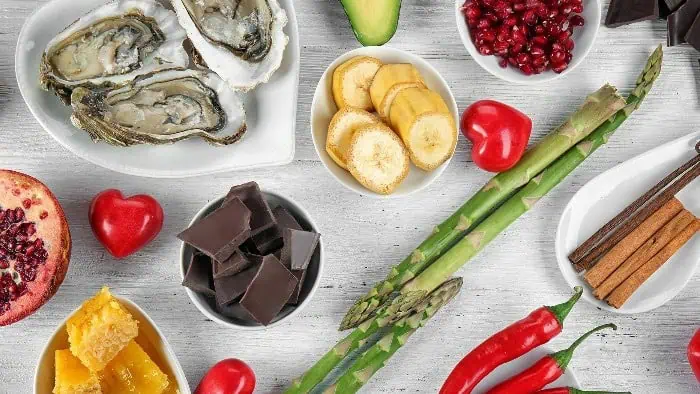
Some foods associated with aphrodisiac qualities are celebrated for their sensory appeal and nutritional profiles. Oysters, prized for their high zinc content and unique textural qualities, are a classic choice. Chocolate, with its rich, silky complexity, contains compounds like tryptophan which aid in serotonin production. Meanwhile, chili peppers, known for their heat, can increase blood circulation and release endorphins. Each of these ingredients not only brings potential physiological benefits but also enhances the dining experience with their distinct textures and flavors.
Cultural Beliefs and Traditions
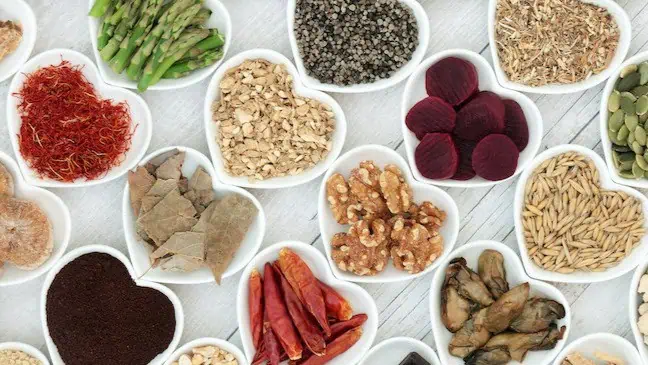
Throughout various cultures, aphrodisiac foods often embody traditions rich with symbolism and ceremony. In India, spices like saffron and cardamom are intertwined with rituals signifying love and fertility. In China, ginseng's repute as a potent aphrodisiac roots deeply in traditional medicine. Such associations underscore the role of food beyond nourishment, serving as a bridge to emotional and cultural expressions. These time-honored beliefs, while not uniformly backed by scientific study, reflect the enduring human quest to intertwine food, love, and tradition.
The Psychological Aspect

The psychological influence surrounding aphrodisiacs cannot be understated. The belief in a food's ability to enhance romantic endeavors often leads to a placebo effect, where the expectation itself can heighten perception and experience. Dining rituals, sensual textures, and aromatic pleasures combine to create a sensory-rich environment that stimulates desire. This intricate blend of belief, sensory engagement, and context illustrates that much of the appeal of aphrodisiacs may derive from the intimate connection they encourage between partners, regardless of their scientific efficacy.
Modern Viewpoints and Skepticism
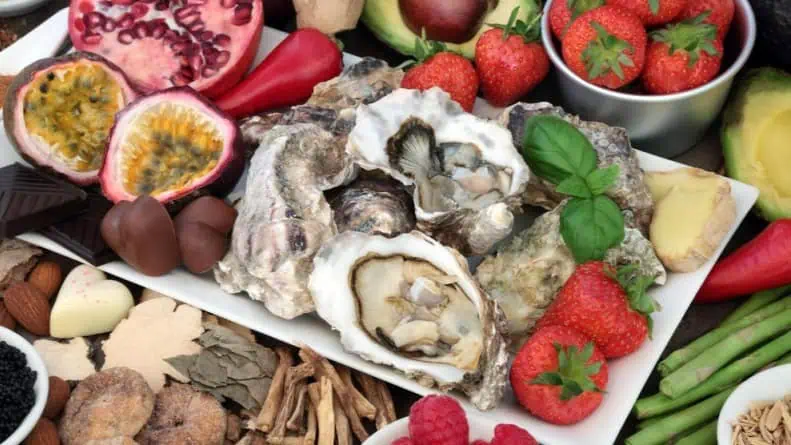
In recent culinary discourse, the concept of aphrodisiac foods is often met with skepticism. While historical texts are filled with claims of certain foods boosting desire, modern science searches for empirical evidence. Many chefs and nutritionists emphasize that the sensual experience of food—textures, aromas, and visual appeal—plays a significant role in evoking moods. While chocolate, oysters, and spicy foods maintain their romantic allure, experts often attribute the effects to ambiance and perception rather than inherent qualities. Ultimately, enjoyment and a shared meal often serve as the real catalysts for connection.


